Your digging level
Description
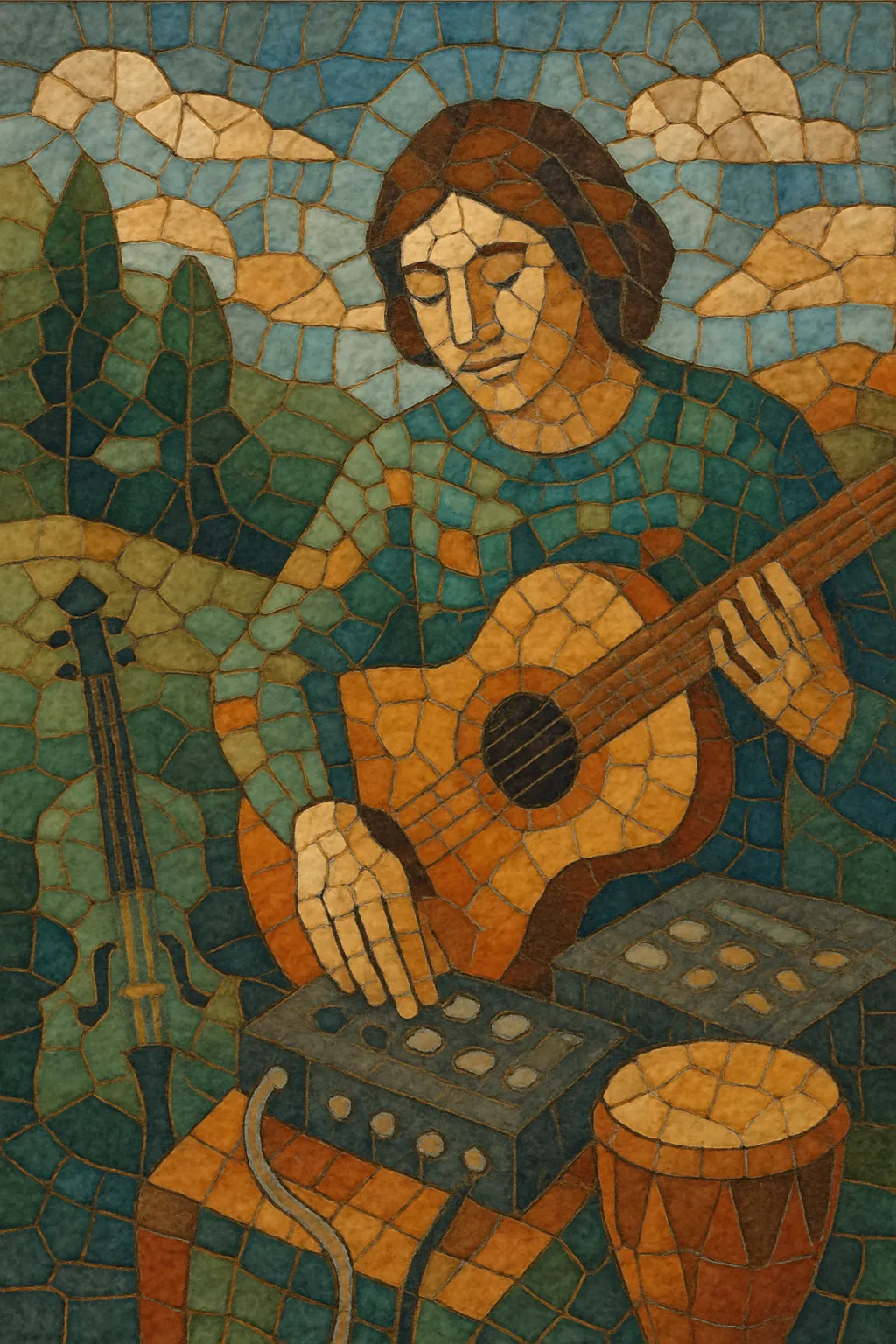
Folktronica blends traditional folk instrumentation and songcraft with electronic production techniques. Acoustic guitars, fiddles, banjos, and hand percussion coexist with samplers, drum machines, granular synthesis, and digital processing.
The style often favors intimate, pastoral moods, gently syncopated beats, and textural sound design built from field recordings and tape hiss. It draws on the melodic simplicity and modal flavors of folk while adopting the rhythmic subtlety and timbral experimentation of downtempo, IDM, and ambient music.

History
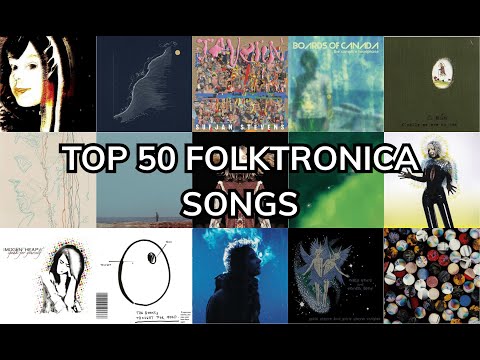
The term folktronica emerged in the United Kingdom in the late 1990s as artists began pairing folk melodies and acoustic instruments with laptop-based production. Early references often centered on Beth Orton’s folky singer-songwriter work colored by trip‑hop and downtempo textures, and on Kieran Hebden’s transition from post‑rock (with Fridge) into sample‑rich, acoustic‑leaning electronics as Four Tet. The approach also resonated with Icelandic group Múm, whose fragile vocals, toy instruments, and glitchy rhythms became touchstones.
In the early to mid‑2000s, albums like Four Tet’s "Pause" (2001) and "Rounds" (2003), The Books’ cut‑and‑paste acoustic collages, and Tunng’s campfire‑meets‑laptop arrangements defined the aesthetic: organic timbres, fingerpicked guitars, and folktale atmospheres interwoven with microsamples, found sounds, and understated beats. Labels and scenes around indie electronic and experimental pop (Warp, Domino, Tomlab, Full Time Hobby) helped circulate the sound. Bibio’s lo‑fi pastoral textures and Manitoba/Caribou’s samplecraft further broadened the palette.
During the 2010s, folktronica seeped into mainstream indie and singer‑songwriter circles. Artists like Sufjan Stevens and Bon Iver incorporated glitchy processing, auto‑tuned harmonies, and modular synthesis while retaining folk roots, and duos such as Sylvan Esso brought a dancier, pop‑forward sheen. Streaming and affordable home‑studio tools encouraged a wave of bedroom producers to combine field recording, granular tools, and acoustic performance. Today, folktronica intersects with ambient folk, indietronica, chillwave, and lo‑fi scenes, remaining a flexible framework for marrying human touch with digital texture.
Start with a core of acoustic instruments—fingerpicked guitar, banjo, mandolin, fiddle, harmonium, or hand percussion. Record them closely to capture detail, then layer subtle electronics: soft synth pads, granular textures, and gentle drones. Add found sounds or field recordings (wind, creaking floors, birdsong) as rhythmic or atmospheric elements.
Use understated grooves in the 70–110 BPM range. Combine brushed or hand‑played percussion with lightly swung, chopped, or shuffled drum programming. Borrow folky meters like 6/8 or 3/4 and underpin them with sparse, syncopated kicks and clicks. Embrace micro‑edits, stutters, and occasional off‑grid timing for a handmade feel.
Favor simple, modal folk harmony (Dorian, Mixolydian, Aeolian) and drone pedals. Write singable, pentatonic or modal melodies; double them with bowed strings or soft synths. Keep progressions sparse; let timbre and texture carry emotional weight.
Layer light tape saturation, vinyl crackle, and room noise for warmth. Use samplers to rephrase acoustic takes into new patterns; experiment with granular slicing for evolving pads. Gentle filtering, convolution reverb (natural spaces), and spectral effects can blur boundaries between acoustic and electronic layers.
Alternate intimate verses (mostly acoustic) with textural refrains that introduce rhythmic programming and pads. Employ dynamic swells via gradual addition of percussive details, arpeggios, and counter‑melodies. Leave negative space to preserve the genre’s airy, pastoral character.
Write reflective, nature‑inflected, or domestic imagery‑rich lyrics. Keep vocal delivery close and conversational; stacked harmonies or vocoder/auto‑tune can modernize while keeping warmth.