Your digging level
Description
Ukrainian folk music encompasses the traditional songs, dances, and instrumental practices of the Ukrainian people, from the steppe and forest-steppe to the Carpathian highlands.
It features powerful open-throated village singing (often called white voice), modal melodies (Dorian, Mixolydian, Aeolian), heterophonic textures, and a rich dance repertory (hopak, kolomyika, kozachok, hutsulka).
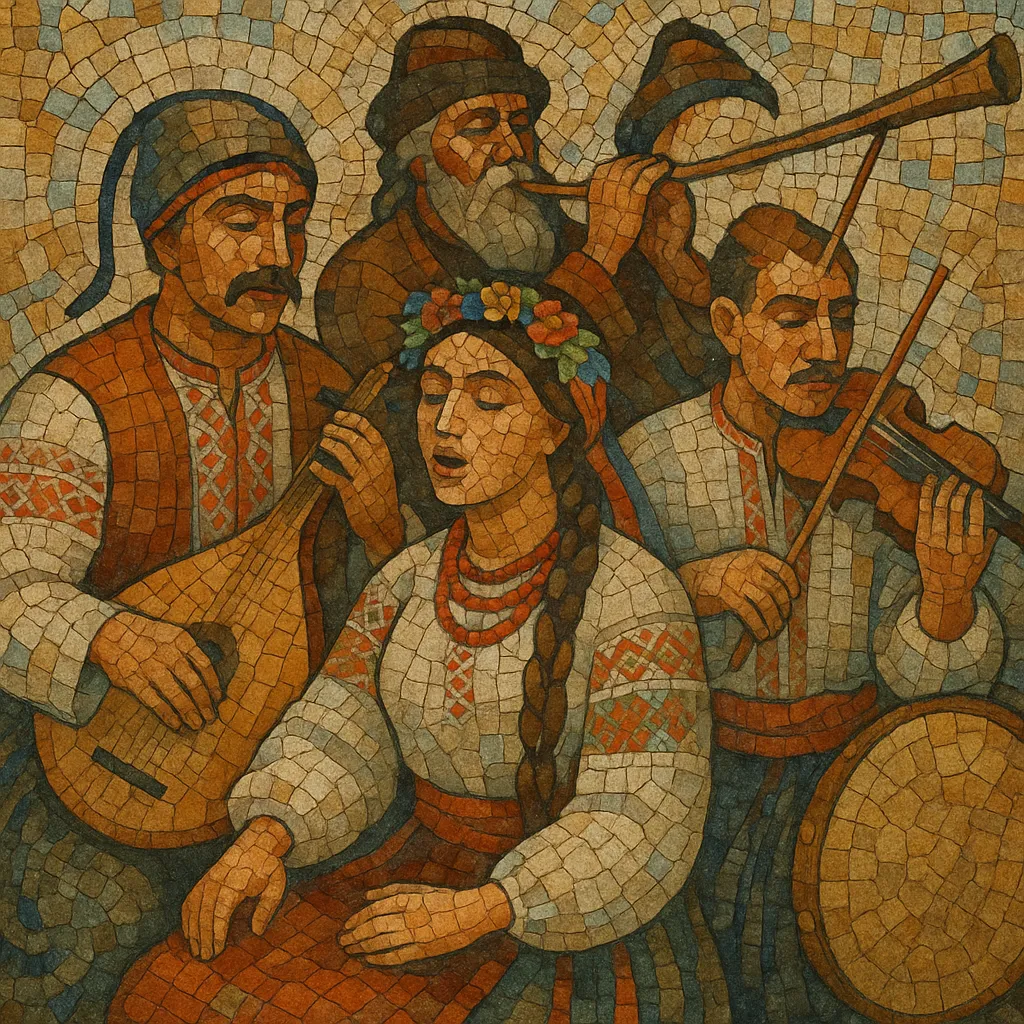
Characteristic instruments include the bandura, kobza, torban, lira (hurdy-gurdy), tsymbaly (hammered dulcimer), sopilka (flute), trembita (alpine horn), violin, and later accordion. Song genres range from epic dumy and historical Cossack ballads to ritual carols (koliadky, shchedrivky), spring songs (vesnianky), harvest songs, lullabies, and love lyrics.
While rooted in rural tradition, the style thrives today in stage choirs, village ensembles, and innovative urban projects that blend folk with rock, electronic, and experimental idioms.
History
Ukrainian folk music coalesced as a distinct tradition during the Cossack era, when itinerant blind bards (kobzari) performed epic dumy accompanied by kobza, bandura, or lira. Alongside epics, village ritual repertoires (calendrical carols, spring songs, wedding cycles) and work songs flourished. Church chant—especially Kyivan and Byzantine—shaped local modal sensibilities and vocal aesthetics.
Romantic nationalism spurred large-scale collecting and publication. Composer-collector Mykola Lysenko, and later ethnomusicologists such as Filaret Kolessa and Hnat Khotkevych, documented regional dialects, scales, and instruments, elevating folk materials in art music and preserving kobzar traditions amid modernization.
In the 20th century, folk traditions persisted but were reframed by Soviet cultural policy. Professional ensembles (e.g., the Hryhory Veryovka Ukrainian National Folk Choir, founded 1943) popularized staged, harmonized arrangements, while some village practices survived in more authentic forms. Despite censorship and stylization, field recordings and regional amateur groups maintained local idioms.
Diaspora artists (e.g., bandurists and singers in North America) sustained repertoire and pedagogy abroad. Within Ukraine, authentic-singing ensembles like Drevo and Bozhychi catalyzed a revivalist wave, emphasizing fieldwork-based performance, white-voice technique, and traditional polyphony.
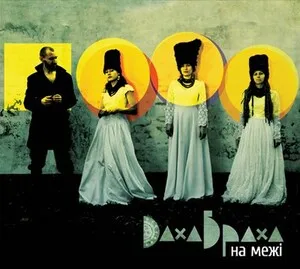
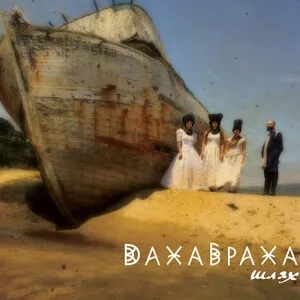
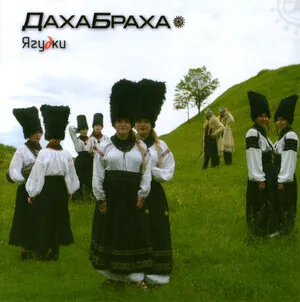
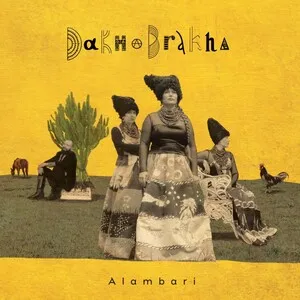
Since independence, renewed fieldwork and education revitalized village traditions. Artists such as DakhaBrakha, ONUKA, and Go_A fused folk with experimental, electronic, and pop forms, bringing Ukrainian folk aesthetics to global stages (e.g., Eurovision), while ongoing social upheavals amplified folk music’s roles in identity, memory, and cultural resilience.