Your digging level
Description
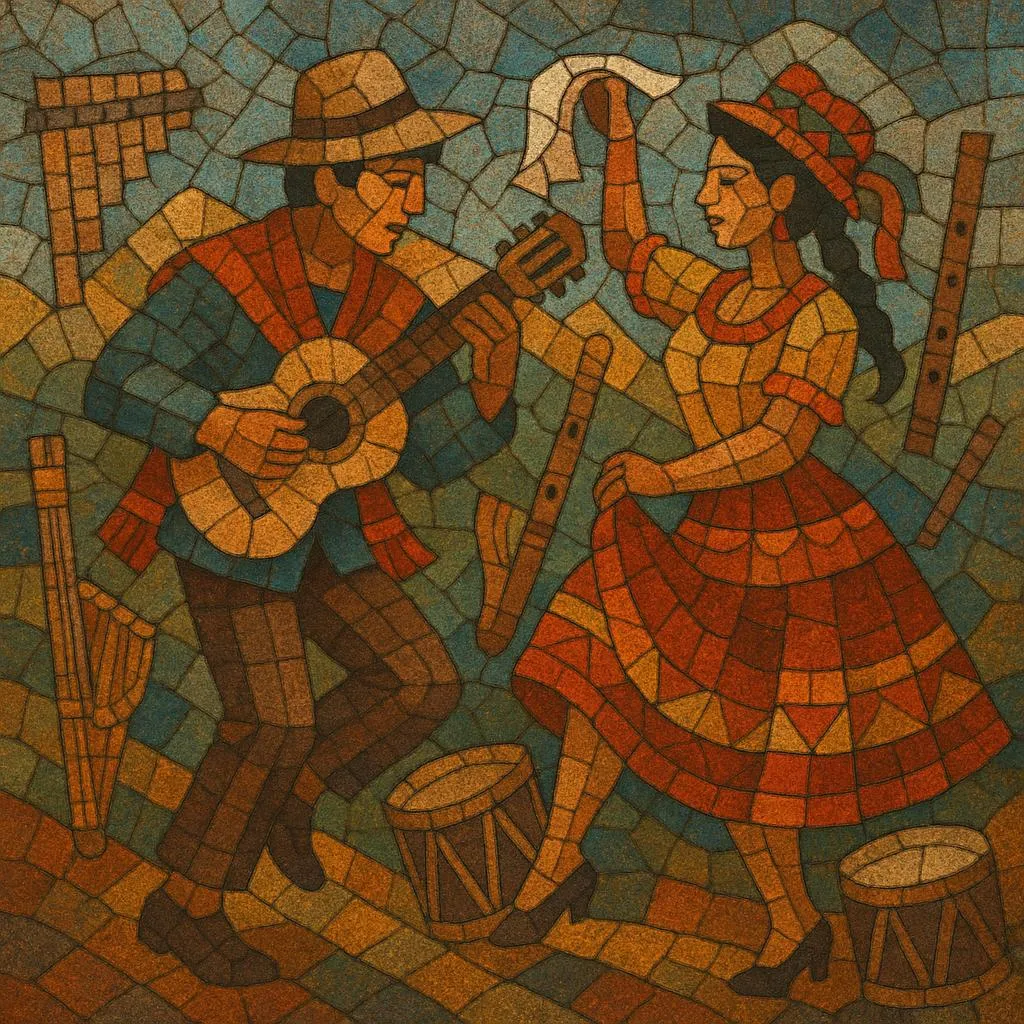
Salay is a fast, festive Bolivian Andean folk style from the Valle Alto of Cochabamba. It is associated with an energetic, flirtatious courtship dance characterized by quick heelwork (zapateo), spins, and playful call‑and‑response between partners.
Musically, salay blends the crisp strumming of charango and guitar with bright Andean flutes (quena and zampoña), violin lines, and bombo andino (bass drum) accents. It typically uses a lively compound meter (often felt in 6/8 with hemiola against 3/4), diatonic and pentatonic melodies, and straightforward major or minor harmonies. Contemporary salay frequently incorporates keyboards, electric bass, and drum kit, yielding “electro‑salay” arrangements that retain folkloric rhythms while modernizing timbre and form.
Lyrics—often in Spanish and Quechua—revolve around courtship, teasing, rural life, nostalgia for the valleys, and bittersweet love stories. The performance aesthetic emphasizes joy, agility, colorful costumes, and communal celebration.
History
Salay emerged in the mid-1900s in the Valle Alto (Cochabamba, Bolivia), where Quechua-speaking rural communities adapted local huayño practices and cueca’s playful courtship dynamics into a faster, virtuosic dance-music. The name and aesthetics reflect a distinctly Cochabambino sensibility—bright, agile, and flirtatious—set apart from the heavier altiplano processional genres.
As national folk ensembles, school troupes, and departmental festivals grew, salay was codified into staged choreographies and standardized instrumental combinations (charango, guitar, quena/zampoña, violin, bombo). The rhythm’s appealing speed and showy dance steps made it a favorite in regional competitions and on Andean folk circuits, alongside tinku, cueca, and caporales.
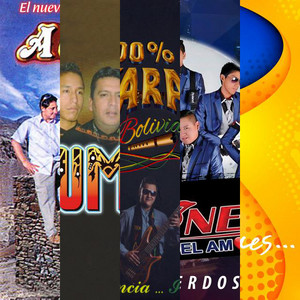
With greater access to studios and regional radio/TV, salay entered urban popular circuits. Groups introduced keyboards, electric bass, drum kit, and pop song structures, producing radio‑friendly “electro‑salay.” Despite modern timbres, the core groove, danceable compound meter, and courtship narrative remain. Salay now circulates widely in Bolivian fiestas and diaspora communities, coexisting with tradition‑forward acoustic formats and sleek contemporary productions.