Your digging level
Description
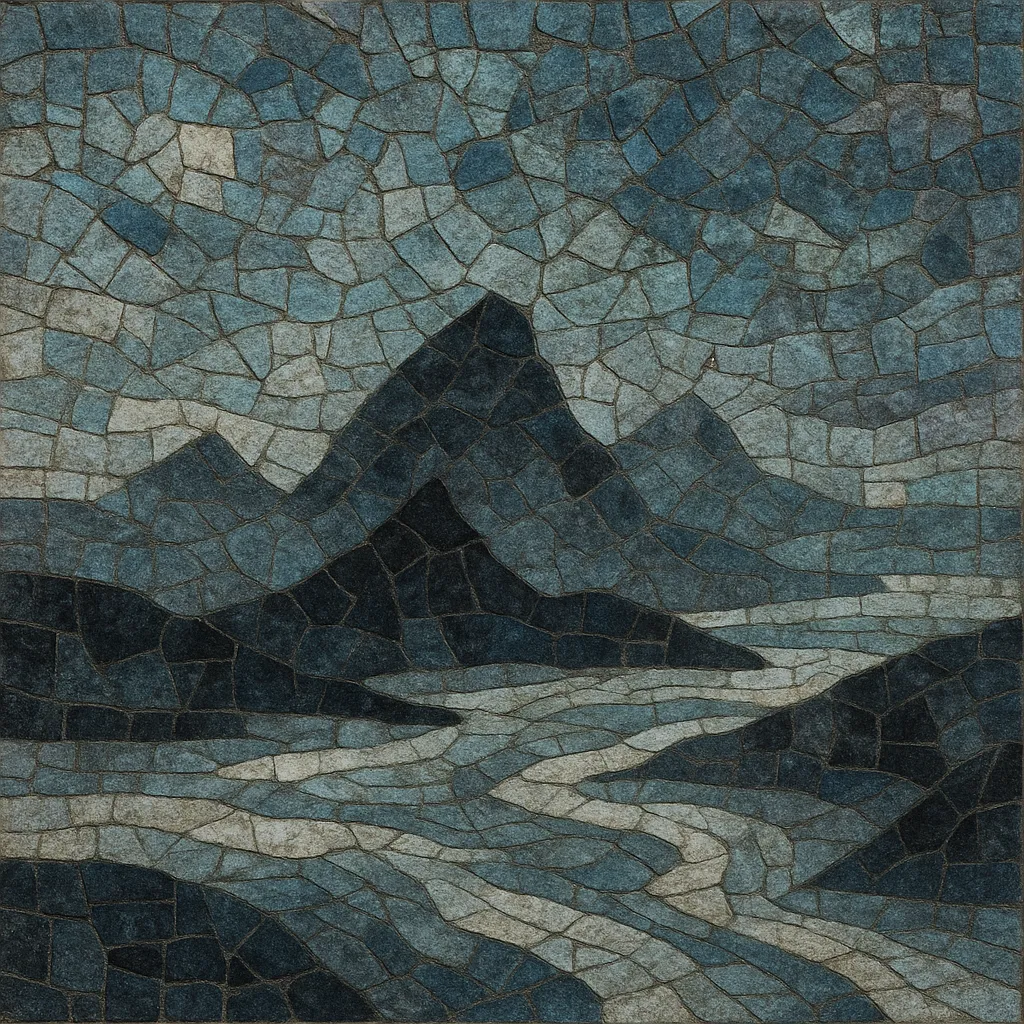
Icelandic experimental is a cross‑disciplinary strain of Iceland’s music that blends ambient atmospheres, post‑rock scale, modern classical writing, electroacoustic techniques, and noise/field recordings. It favors texture over virtuosity, long dynamic arcs over strict song forms, and a highly spatial, reverberant sound that evokes volcanic landscapes, oceanic weather, and deep winter light.
Artists combine electronics (granular synthesis, tape manipulation, modulars) with acoustic timbres (strings, prepared piano, voice, chamber ensembles), often using extended techniques and found sound. Vocals may be choral stacks, wordless syllables, or the Icelandic language itself treated as sonic material. The result ranges from glacially slow drones to fragile glitch‑folk and neoclassical miniatures.


History
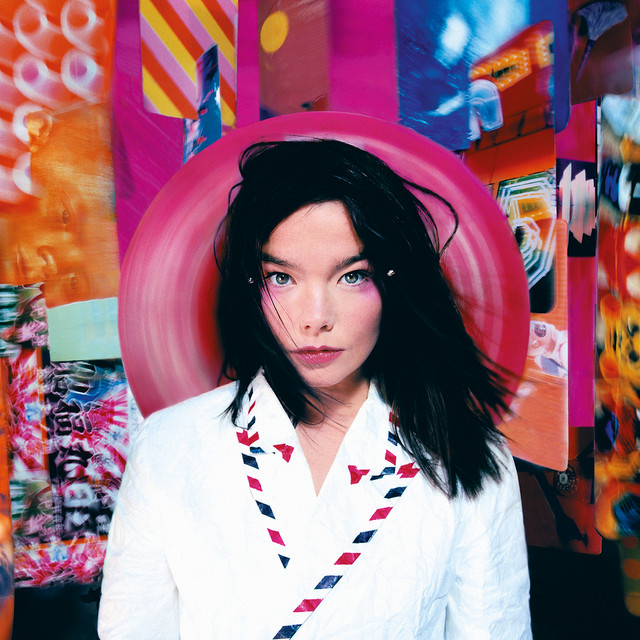
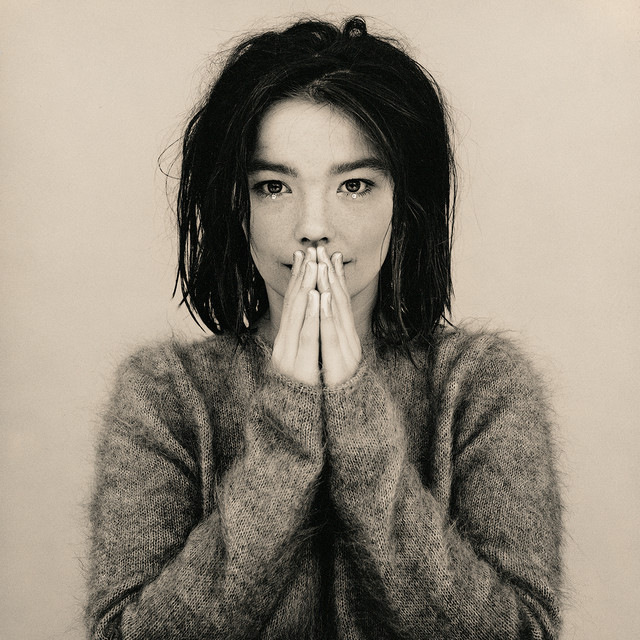
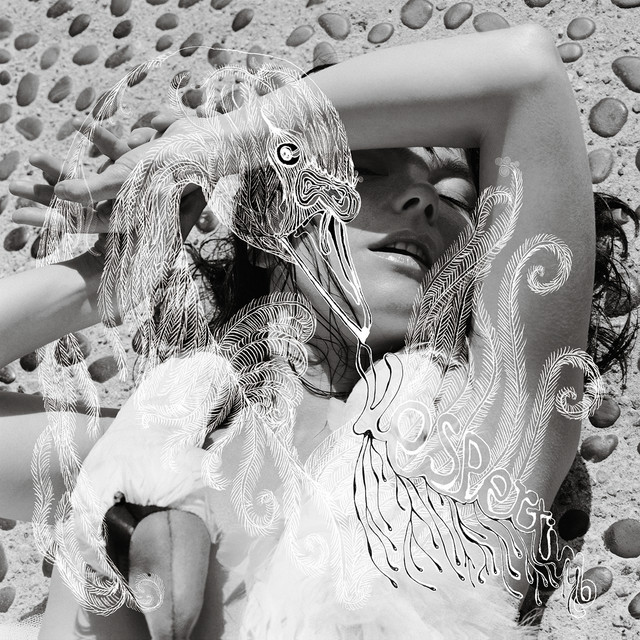
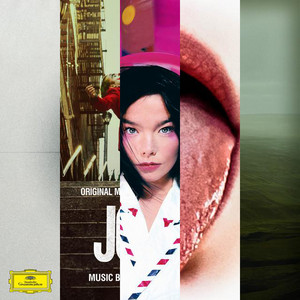
Icelandic experimental coalesced in the 1990s around Reykjavík’s DIY and art‑music circles. Early seeds included industrial/noise outfits and free‑thinking rock collectives, but its international shape formed as Björk’s solo work stretched art‑pop into experimental electronics, while Sigur Rós fused post‑rock with choral/drone sensibilities. Parallel to this, glitch‑folk group múm introduced delicate electronics and toy‑instrument textures, and small galleries and collectives nurtured electroacoustic and sound‑art practices.
The 2000s brought infrastructure and visibility: the Bedroom Community label (centered around producer‑composer Valgeir Sigurðsson) linked Iceland’s scene with composers and sound designers across Europe and the Americas. Composers like Jóhann Jóhannsson and Hildur Guðnadóttir bridged concert music, film, and installation, exporting an Icelandic blend of minimalism, drone, and orchestration. Festivals (e.g., Iceland Airwaves) and new venues (later Harpa) amplified exchange between indie bands, chamber players, and electronics.
Interdisciplinary collaboration became the norm: classical players recorded alongside modular synth artists; field recordists worked with choirs; producers refined a “glacial” palette of long reverbs, slow tempi, and tectonic crescendos. The S.L.Á.T.U.R. collective and kindred groups emphasized experimental process, graphic scores, and conceptual approaches, while film/TV scoring spread the aesthetic worldwide.
A new generation extends the language with immersive audio, site‑specific works, and ecological/landscape‑based composition, while maintaining the scene’s hallmarks: spacious sound design, hybrid acoustic‑electronic instrumentation, and collaborative creation across pop, contemporary classical, and sound art.