Your digging level

For this genre
0/8
🏆
Sign in, then listen to this genre to level up

Description

Alternative folk (often overlapping with “indie folk”) blends the songwriting traditions and acoustic instrumentation of folk with the aesthetics, independence, and experimentation of indie/alternative rock.

Emerging in the 1990s from indie rock circles, it favors intimate vocals, fingerpicked guitars, lo‑fi or modest studio production, and lyrical introspection. Artists frequently add non‑traditional folk colors—subtle electronics, chamber strings, or post‑rock dynamics—while retaining a rootsy, song‑first approach. The result is a style that sounds warm, personal, and contemporary, yet grounded in classic folk sensibilities.


Sources: Spotify, Wikipedia, Discogs, RYM, MB, user feedback and other online sources

History

Origins (1990s)

Alternative folk coalesced in the 1990s within indie rock scenes that were drawn to folk’s acoustic intimacy and confessional songwriting. Early touchstones included lo‑fi, home‑recorded approaches and the singer‑songwriter lineage, filtered through alternative rock’s DIY ethos. This created a space where hushed vocals, fingerstyle guitar, and understated arrangements could sit alongside adventurous harmony and production choices.

2000s Expansion

In the 2000s the sound gained widespread visibility through artists who married classic folk instrumentation to indie structures and aesthetics. Albums with close‑mic’d vocals, delicate strings, and subtle ambient textures expanded the palette, as did collaborations with chamber musicians and experiments with tape hiss, room sound, and unconventional percussion. Parallel movements such as freak folk and free folk explored more psychedelic and improvised variants, while “new weird America” framed a broader, experimental folk resurgence.

2010s–Present

By the 2010s, alternative/indie folk became a well‑recognized strand of independent music. Some acts embraced richer, choral, or cinematic arrangements; others leaned into sparse, lo‑fi intimacy or electronic augmentation. The style’s influence is now heard in chamber‑leaning folk, folk‑pop crossovers, and singer‑songwriters who borrow ambient, dream‑pop, and post‑rock touches while keeping folk’s narrative core.

How to make a track in this genre

Core Instrumentation
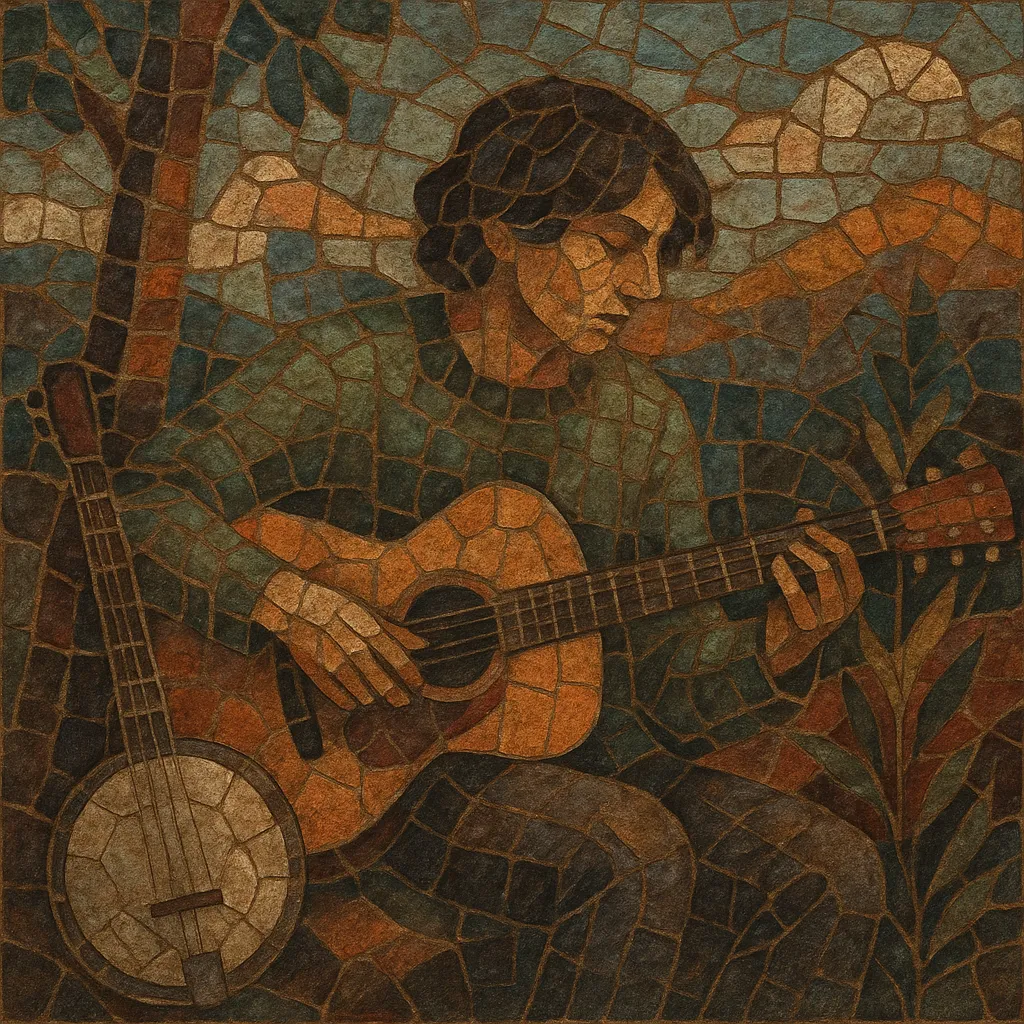
•   Start with acoustic guitar (fingerpicking or light strumming). Add banjo, mandolin, or nylon‑string guitar for color. •   Use minimal percussion (brushes, hand percussion, subtle kick/tambourine) to maintain intimacy. •   Layer warm, organic textures—upright bass, piano, harmonium, or soft drones; strings or woodwinds for chamber accents.
Harmony & Melody
•   Favor diatonic progressions with occasional modal colors (Dorian, Mixolydian) or borrowed chords for bittersweet shifts. •   Write intimate, singable melodies in a conversational vocal range; allow falsetto or close harmonies for tenderness.
Rhythm & Form
•   Keep tempos moderate to slow; prioritize groove that supports storytelling. •   Use verse–chorus or verse–refrain forms; allow instrumental interludes or codas where texture evolves rather than “solos.”
Lyrics & Themes
•   Emphasize personal narratives, place, memory, and emotional nuance. Concrete imagery and small details help authenticity. •   Balance introspection with subtle social or pastoral themes; avoid overwriting—leave space for interpretation.
Production Aesthetics
•   Embrace indie/DIY sensibilities: close mics, room ambience, light tape hiss, or gentle saturation for warmth. •   Pan thoughtfully; build dynamic arcs with layers (e.g., add harmonies and strings in later verses) rather than sheer volume. •   Use reverb and delays sparingly to create space without obscuring articulation.
Performance Tips
•   Prioritize clarity of lyric delivery; shape phrases around breath and narrative beats. •   Arrange with restraint—each added instrument should serve the song’s emotional center. •   In ensembles, leave frequency space for the vocal and acoustic guitar; let supporting parts weave and respond rather than compete.

Top tracks

Locked
Share your favorite track to unlock other users’ top tracks

Upcoming concerts

in this genre
Influenced by
Has influenced

Download our mobile app

Get the Melodigging app and start digging for new genres on the go
© 2026 Melodigging
Melodding was created as a tribute to Every Noise at Once, which inspired us to help curious minds keep digging into music's ever-evolving genres.
Buy me a coffee for Melodigging