Your digging level
Description
Free folk is an experimental strain of folk music that blends the acoustic timbres and modal melodies of traditional folk with the spontaneity of free improvisation, the textures of drone and noise, and an often lo‑fi, home‑recorded aesthetic. It favors collective, open‑ended forms over verse‑chorus songcraft and treats folk instruments as sources of sound exploration as much as tools for melody.
Emerging from DIY and improv circles, free folk sessions often involve extended, slowly evolving pieces where banjo, fiddle, acoustic guitar, harmonium, flutes, hand percussion, and small electronics intertwine. Field recordings, room ambience, and tape hiss are typically embraced, producing an intimate, woodland or ritual atmosphere that feels both archaic and forward‑looking.
History
Free folk coalesced in the United States during the 1990s around improvising, DIY collectives who approached folk instrumentation with the sensibility of free improvisation and noise. Early touchstones included groups like No‑Neck Blues Band (NYC), Tower Recordings, Pelt, and Charalambides, whose long‑form, modal excursions and use of acoustic drones stood apart from both indie folk and orthodox improv. These artists recorded prolifically on cassettes and CD‑Rs, favored communal performance, and embraced room sound and tape warmth as part of the music’s fabric.
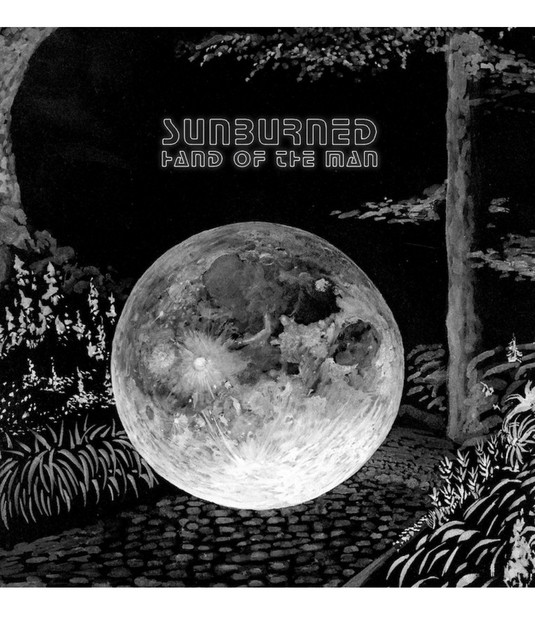
By the early 2000s, a wider US network formed (notably around Massachusetts’ Sunburned Hand of the Man and various Jewelled Antler–adjacent projects like Thuja in the Bay Area). In parallel, a vibrant Finnish wave (Kemialliset Ystävät, Avarus, and related constellations) developed a kindred approach—often labeled “Finnish free‑folk”—emphasizing trance‑like collectivity, toy instruments, and ecstatic noise‑folk textures. Small labels and mail‑order distros (Time‑Lag, Eclipse, Last Visible Dog, Qbico, PseudoArcana, Estatic Peace!, among others) documented the movement through limited, handmade editions.
The press (notably The Wire) grouped portions of this activity under the “New Weird America” banner in the early–mid 2000s. While that umbrella also included more song‑based “freak folk,” free folk denoted the more improvisatory, communal, and texture‑driven branch. Cross‑pollination was common—artists moved between collectives, and bills blended free‑form rituals with psych‑folk songcraft.
Free folk’s legacy is its reimagining of folk as a laboratory for collective soundmaking: drones as harmonic ground, heterophony instead of strict arrangements, and environmental sound as composition. It helped seed later waves of freak/wyrd folk, sustained interest in tape‑and‑CD‑R micro‑editions, and normalized using folk instruments in noise, drone, and experimental contexts.