Your digging level
Description
Organic electronic is a downtempo, groove‑driven branch of electronic music that blends acoustic and world instruments with modern production.
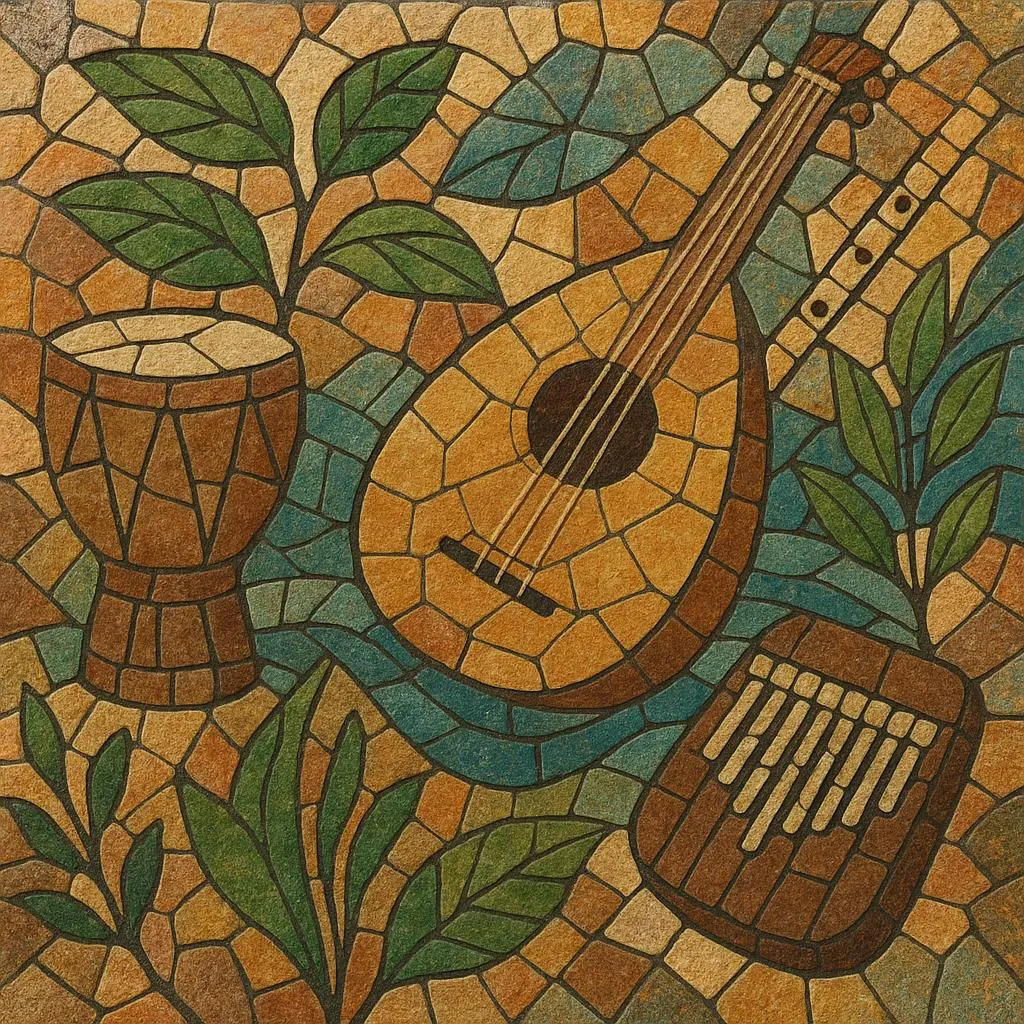
Typically sitting around 100–115 BPM, it favors hand percussion, mallets, strings, winds, and field recordings over hard-edged drum machines. The result is a warm, tactile sound where shakers, frame drums, and ethnic instruments (such as oud, kora, saz, flutes, or kalimba) weave through gentle synth pads and understated basslines. Melodic language often leans on modal colors (Dorian, Phrygian, Mixolydian) and drone‑like sustains, creating a hypnotic, earthy atmosphere.
Born from bohemian club culture and outdoor gatherings, the style emphasizes long, evolving arrangements, subtle crescendos, and humanized timing—music equally at home on intimate dancefloors, sunset sets, and mindful listening contexts.
History
Organic electronic coalesced in the early 2010s from the overlap of downtempo, deep house, and balearic/tribal aesthetics. DJs and producers began foregrounding hand percussion, acoustic textures, and field recordings, softening the edges of club‑centric house with world‑music instruments and modal harmony. The sound took hold at intimate clubs and outdoor gatherings that valued long-form storytelling over peak-time bombast.
Berlin’s artistic club ecosystems and European festival circuits helped define the aesthetic—slow, hypnotic, and tactile—while Mediterranean and North American scenes (particularly sunset and desert gatherings) reinforced the emphasis on organic instrumentation and spacious, nature‑attuned sound design. Labels and curators championing warm, acoustic‑leaning dance music provided a platform for the style’s rise.
By the late 2010s, organic electronic was a recognizable lane: mid‑tempo grooves, modal melodies, live‑feeling percussion, tasteful world‑instrument features, and subtle electronic synthesis. It became common at sunrise/sunset sets, boutique festivals, and mindful listening events, influencing lounge‑leaning house, deep chill house, and modern meditation‑adjacent electronica while remaining a distinct, DJ‑friendly format.
The sound continues to evolve with more nuanced acoustic recording, refined hybrid live/DJ performance, and cross‑pollination with folktronica, ambient house, and worldbeat. Its core identity remains: human warmth and global instrumentation inside contemporary electronic frameworks.



Top albums