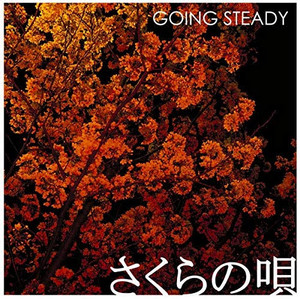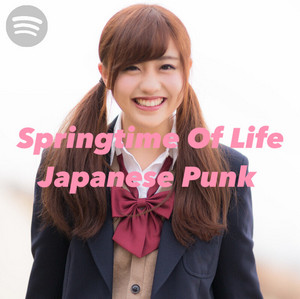
Your digging level

For this genre
0/8
🏆
Sign in, then listen to this genre to level up

Description

Seishun punk (literally “youth punk”) is a short‑lived Japanese movement from the early 2000s that fused raw, abrasive punk energy with folk‑inspired, sing‑along songwriting.

It is marked by straightforward, youth‑oriented lyrics about school life, first love, friendship, frustration, and small wins, delivered in an earnest, shout‑sung style.

Arrangements are simple and hook‑driven—two guitars, bass, and drums—favoring brisk tempos, bright major‑key melodies, and communal choruses that feel tailor‑made for live call‑and‑response.


Sources: Spotify, Wikipedia, Discogs, Rate Your Music, MusicBrainz, and other online sources

History

Origins

The term “seishun punk” crystallized in Japan around the turn of the millennium to describe bands that paired folk‑like verse writing with punchy, garage‑leaning punk arrangements. The approach drew on 1990s Japanese punk and pop‑punk, while embracing the direct, diary‑style storytelling of local folk and school‑band traditions.

Breakout (early 2000s)

In the early 2000s the style broke into the mainstream. Bands delivered brisk, melodic anthems with plainspoken youth themes, and their choruses spread quickly via radio, TV tie‑ins, and karaoke. The sound’s rough, unvarnished production and crowd‑ready hooks made it a staple at festivals and school culture events.

Traits and Audience

Songs were short, uptempo, and major‑key, with shout‑along refrains and simple chord cycles. Lyrically they favored everyday scenes—after‑school hangouts, crushes, club activities, part‑time jobs—expressed with candor and optimism, sometimes tempered by frustration or bittersweet nostalgia.

Decline and Legacy

By the late 2000s the wave had largely receded as Japanese alternative, emo‑influenced rock, and broader J‑pop trends moved forward. Even so, seishun punk left a lasting template for accessible, band‑driven youth anthems, influencing indie and pop‑rock acts and remaining a formative reference for school bands and local live houses.

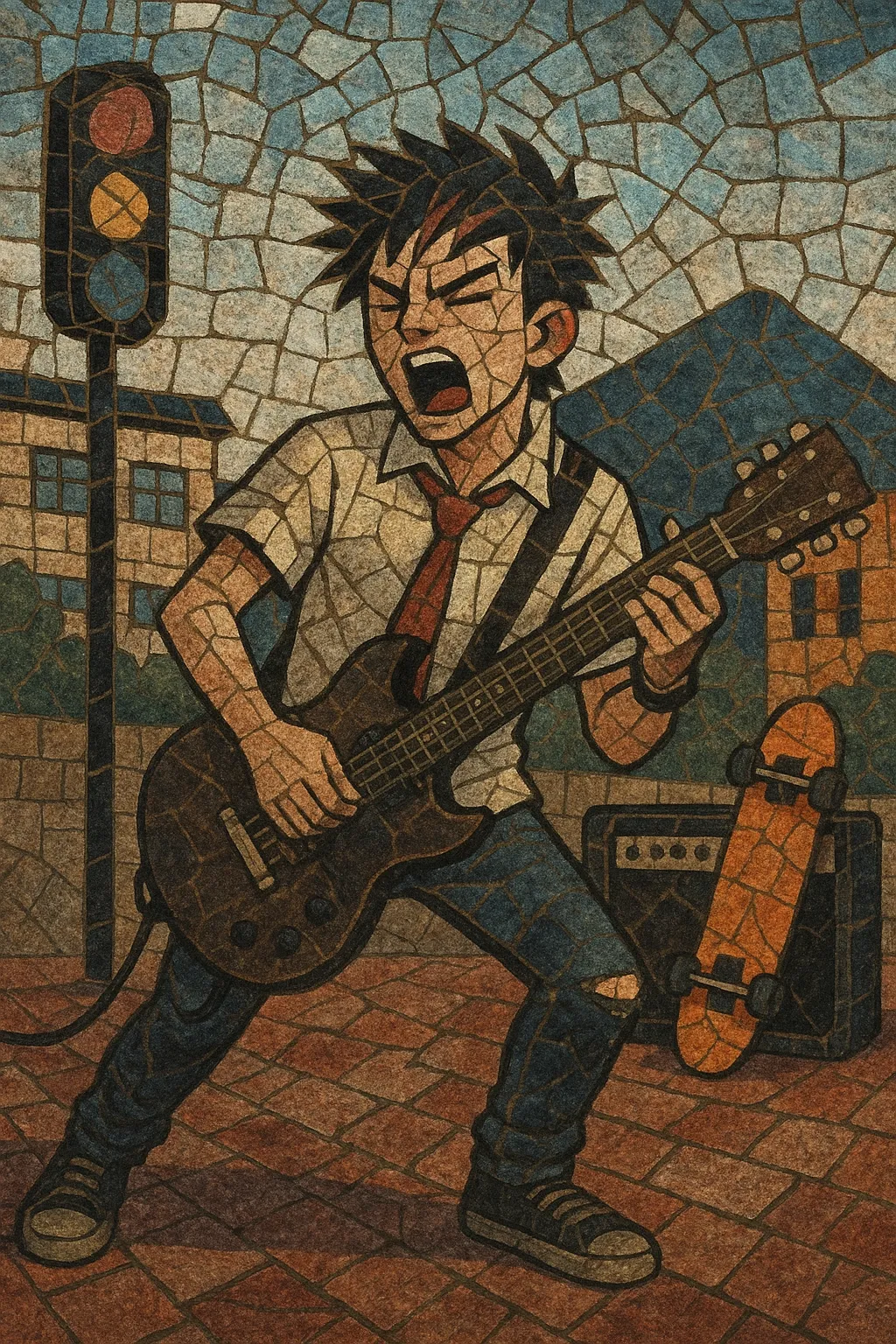
How to make a track in this genre

Core Setup
•   Instrumentation: two electric guitars (one mostly down‑stroked rhythm, one melodic fills), bass, drums; occasional acoustic guitar to underline the folk feel. •   Tempo and groove: 140–190 BPM, straight 8th‑note drive; drummer emphasizes a tight kick–snare backbeat with open‑hat choruses.
Harmony and Melody
•   Use bright, familiar progressions (I–IV–V, I–V–vi–IV, or ii–V–I) in major keys. •   Write folk‑leaning melodies with stepwise motion and memorable, easily sung refrains; aim for gang‑vocal “whoa‑oh” or unison shout peaks in the chorus.
Lyrics and Themes
•   Keep language simple and direct. Focus on youth snapshots: school corridors, club practice, first dates, part‑time shifts, band practice, friendship pacts. •   Balance optimism with flashes of frustration or bittersweet nostalgia; avoid abstraction—concrete images win.
Form and Arrangement
•   2–3.5 minutes, verse–pre–chorus–chorus with a short middle‑eight or half‑time break for audience participation. •   Keep production raw: light overdrive, few layers, minimal editing; let small imperfections add urgency.
Performance Tips
•   Prioritize crowd interaction: call‑and‑response lines, count‑ins, and a chorus key line everyone can shout. •   Mix to highlight vocals and snare; leave headroom so gang vocals feel big without heavy polish.

Top tracks

Locked
Share your favorite track to unlock other users’ top tracks
Influenced by
Has influenced
Challenges
Digger Battle
Let's see who can find the best track in this genre
© 2026 Melodigging
Melodding was created as a tribute to Every Noise at Once, which inspired us to help curious minds keep digging into music's ever-evolving genres.
Buy me a coffee for Melodigging