

Your digging level

For this genre
0/8
🏆
Sign in, then listen to this genre to level up

Description

Chimayche is a traditional song-dance style from the eastern provinces of the Áncash department in the Peruvian Andes (the Conchucos side).

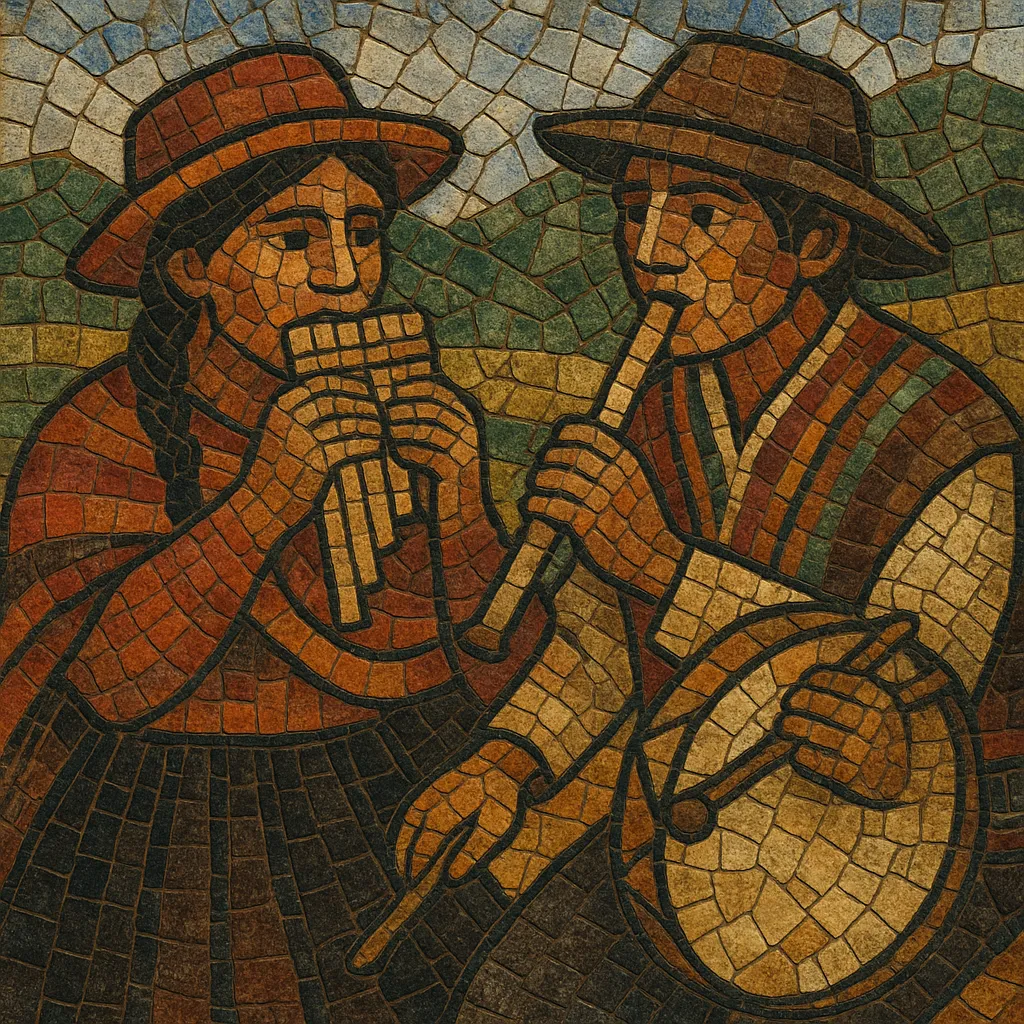
It is a slower regional variant within the wider huayno/Andean family that, in its older practice, traditionally lacks guitar or mandolin accompaniment. Instead, it favors lead violin with small percussion and, at times, Andean aerophones. Chimayche melodies often sit in minor or Dorian inflections, with vocal lines that alternate between Quechua and Spanish and emphasize courtship, local festivities, and highland life.

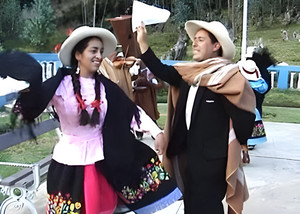
Danced in couples or small circles, the style carries a dignified, unhurried pulse compared with brisker Ancashino forms, making it an emblem of the Conchucos musical identity.


Sources: Spotify, Wikipedia, Discogs, RYM, MB, user feedback and other online sources

History

Roots and regional profile

Chimayche emerges from the eastern (Conchucos) valleys of Áncash, Peru, where Quechua-speaking communities maintained locally distinct repertoires. As a slower counterpart to faster Ancashino dance-tunes, it coalesced in the early 20th century out of village festivities, harvest gatherings, and courtship songs. Its timbral identity reflects older, pre-guitar ensembles: lead violin, hand percussion (tinya or light drum), and, in some locales, quena or pinkillu flutes.

20th-century consolidation

By the mid-1900s, rural fiestas and patron-saint celebrations standardized recognizable chimayche rhythmic-melodic turns—duple-time grooves with a relaxed swing and vocal strophes (coplas) alternating with short instrumental refrains. Although commercial Andean recordings favored guitar- and harp-led huaynos, local radio and regional troupes helped keep chimayche present on municipal stages and in community dance halls across provinces such as Huari, Pomabamba, and Antonio Raimondi.

Continuity and revival

From the late 20th century onward, folklore ensembles, cultural festivals, and municipal music schools documented and taught the style. Contemporary performers may incorporate accordion, harp, or ensemble winds, but traditional practice remains identifiable by its slower gait and absence of guitar/mandolin. Today, chimayche is both a living dance-music at community fiestas and a marker of Conchucos identity within the broader Peruvian Andean soundscape.

How to make a track in this genre

Ensemble and timbre
•   Favor traditional instrumentation that omits guitar and mandolin. Lead with a singing violin tone; support with small hand percussion (tinya, light frame drum) and, optionally, quena or pinkillu flutes. Harp or accordion appears in some modern settings, but keep textures lean to preserve the style’s intimacy.
Rhythm and tempo
•   Use a relaxed duple meter (2/4, occasionally felt in 4/4) at a slower huayno-like pace (roughly 70–100 BPM). Accentuate a gentle forward lilt rather than a driving bounce; dancers should have space for unhurried couple figures.
Melody and harmony
•   Compose singable, narrow-ranged melodies with Andean modal color: Aeolian (natural minor) and Dorian are common; pentatonic inflections fit well. Let the violin double or answer the voice with ornamental turns, slides, and appoggiaturas. •   Keep harmony simple—drone-based or two-chord backbones (i–VII or i–IV), with brief dominant color when appropriate. Sustained pedal tones under a modal melody are idiomatic.
Form and text
•   Alternate short vocal strophes (coplas of 4 lines) with instrumental interludes. Lyrics in Quechua or mixed Quechua–Spanish reflect courtship, community life, landscape, and seasonal festivities. •   End sections with a slightly more animated instrumental tag to cue dancers, but avoid pushing the overall tempo into faster Ancashino styles.
Performance practice
•   Prioritize expressive phrasing and call-and-response between voice and violin. Percussion should be understated—supporting the pulse rather than dominating it. Maintain the dignified, contemplative character that distinguishes chimayche from brisker neighboring genres.

Top tracks

Locked
Share your favorite track to unlock other users’ top tracks

Upcoming concerts

in this genre
Influenced by

Download our mobile app

Get the Melodigging app and start digging for new genres on the go
© 2026 Melodigging
Melodding was created as a tribute to Every Noise at Once, which inspired us to help curious minds keep digging into music's ever-evolving genres.
Buy me a coffee for Melodigging
