Your digging level
Description
French shoegaze blends the hazy, effects-drenched guitar wash of classic UK shoegaze with France’s own post-punk/coldwave sensibility and a distinctly melodic, often cinematic touch.
The style favors layered guitars saturated with reverb, delay, and fuzz, softly sung vocals that sit inside the mix, and mid-tempo rhythms that feel floating and hypnotic. In France, this core vocabulary frequently intersects with dark-hued post-punk, ambient electronics, and, in some cases, black metal—producing a continuum from dreamy popgaze to the heavier blackgaze pioneered by French artists.
Lyrically, themes tend toward memory, interior life, and reverie, with many acts writing in French or moving fluidly between French and English. Production leans wide and panoramic, embracing texture and atmosphere as primary musical elements.

History
Shoegaze emerged in the UK at the turn of the 1990s and quickly found listeners and small circles of adopters in France. Early French alternative and noise-leaning bands absorbed the movement’s textural guitar ethos, while local post-punk/coldwave legacies provided a darker palette and a preference for introspective mood. Although the French scene remained comparatively underground at first, the groundwork for a later revival was set by these crosscurrents and by independent labels and media that championed dreamy, effects-heavy guitar music.
The 2000s saw a marked reawakening. M83’s early releases refracted shoegaze through ambient electronics and widescreen arrangements, giving the aesthetic a cinematic French identity. In parallel, Alcest introduced a crucial hybrid—blackgaze—fusing shoegaze textures with black metal’s tremolo picking and blast beats. Projects tied to this sphere (Amesoeurs, later Les Discrets) expanded the template, making France a recognized center for shoegaze-derived experimentation.
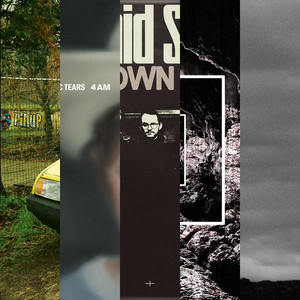
A new wave of groups (Dead Horse One, Venera 4, Marble Arch, Bryan’s Magic Tears, Yeti Lane, Team Ghost) solidified a national footprint. Collaborations with genre forebears—such as Ride’s Mark Gardener producing Dead Horse One—linked French acts to shoegaze’s original lineage. Festivals like La Route du Rock, Levitation France, and club circuits in Paris, Lyon, and Bordeaux helped sustain momentum, while labels and DIY venues nurtured both ethereal popgaze and heavier, post-metal-adjacent strains.
By the 2020s, French shoegaze had become a reference point for both pop-oriented “gaze” and darker, metallic crossover. The scene’s hallmark remains a balancing act: sumptuous guitar density and drifting vocals, colored by France’s taste for post-punk gravity, ambient spaciousness, and elegant melody—an approach that continues to influence global popgaze, indietronica, and post-black metal.

Top albums