Your digging level
Description
Post-black metal is a modern evolution of black metal that blends its tremolo-picked guitars, blast beats, and harsh vocals with the cinematic crescendos and textural depth of post-rock and shoegaze.
Often brighter and more melodic than traditional black metal, it favors expansive song structures, reverb-drenched guitar layers, and a mix of screamed and ethereal clean vocals. Harmony tends toward consonant, suspended, and add9/maj7 voicings, creating a bittersweet, nostalgic atmosphere rather than pure abrasion.
The style overlaps with, and is sometimes called, blackgaze; however, “post-black metal” is the broader umbrella, encompassing influences from post-rock, indie rock, ambient, and post-metal alongside shoegaze.



History
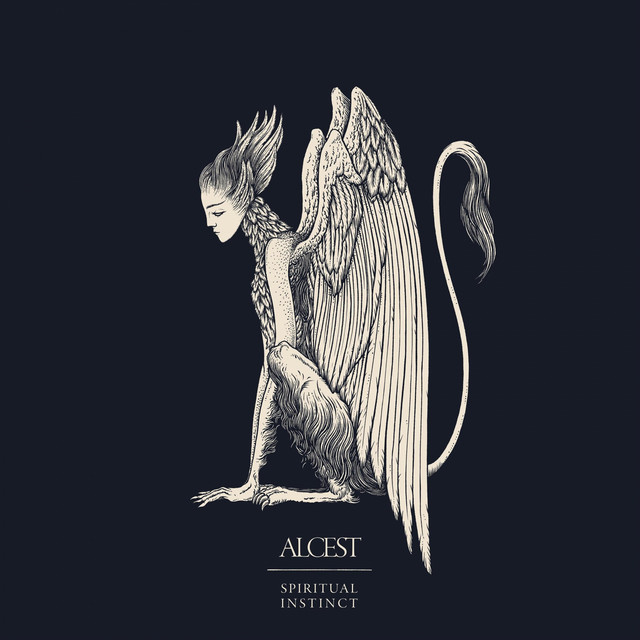
Post-black metal coalesced in the mid–late 2000s, with France as a primary cradle. Alcest’s early releases (notably Le Secret, 2005, and Souvenirs d’un autre monde, 2007) and related projects like Amesoeurs and Les Discrets fused black metal rhythms with shoegaze textures and post-rock dynamics. Parallel atmospheric and nature-focused black metal from bands such as Agalloch and Wolves in the Throne Room helped normalize longer forms and mood-centric writing, paving the way for a less misanthropic, more introspective black metal aesthetic.
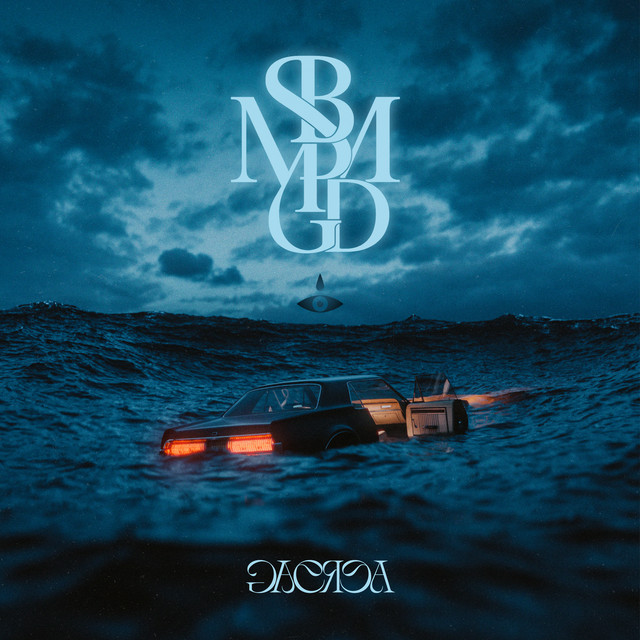
The 2010s saw widespread attention and controversy as Deafheaven’s Sunbather (2013) earned mainstream critical acclaim, placing blast beats and screamed vocals next to bright major-key harmony and lush production. Lantlôs and Harakiri for the Sky advanced a hook-forward, melancholic approach, while labels like Prophecy Productions supported the movement’s atmospheric, post-rock-inflected direction. Purists criticized the dilution of black metal’s “orthodoxy,” yet audiences grew rapidly beyond the traditional extreme metal base.
As streaming and global DIY production flourished, post-black metal spread worldwide: Oathbreaker (Belgium) injected hardcore tension; Møl (Denmark) emphasized shoegaze sheen; An Autumn for Crippled Children (Netherlands), Ghost Bath (US), and Violet Cold (Azerbaijan) explored emotive and cinematic variants. Cross-pollination with post-hardcore, screamo, ambient, and synth textures broadened the palette. By the 2020s, post-black metal became an established branch of extreme metal—featured at festivals, covered by mainstream press, and adopted by artists straddling metal, indie, and experimental scenes.