Your digging level

For this genre
0/8
🏆
Sign in, then listen to this genre to level up

Description

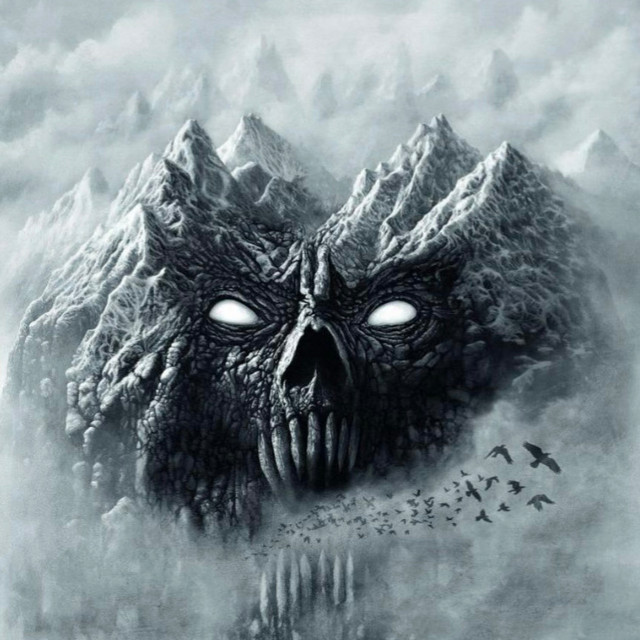
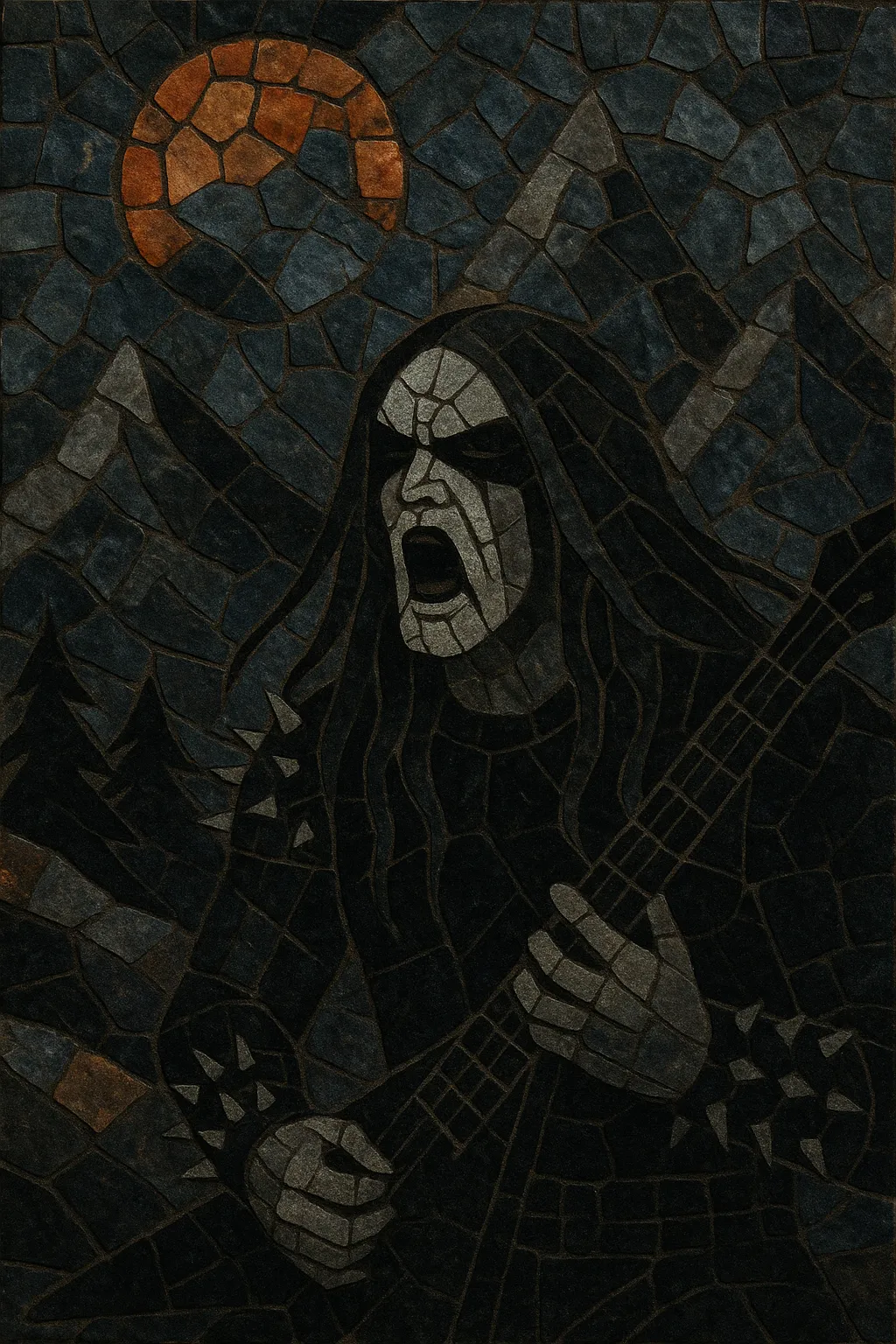
Norwegian metal refers to the body of heavy metal music created in Norway, most famously the explosive second wave of black metal that emerged in the early 1990s, but also including symphonic, avant‑garde, progressive, death, and folk‑inflected strands.

The scene is characterized by a stark, cold atmosphere; tremolo‑picked guitars; blast‑beat drumming; and rasped or harsh vocals, alongside a strong sense of place inspired by Nordic nature, myth, and winter landscapes. While raw, lo‑fi aesthetics became a hallmark of early black metal, later Norwegian metal embraced meticulous production, orchestration, and progressive experimentation, yielding an unusually broad and innovative national metal identity.


Sources: Spotify, Wikipedia, Discogs, Rate Your Music, MusicBrainz, and other online sources

History

Preludes (1980s)

Norway’s earliest notable metal activity included traditional and hard rock/metal acts in the 1980s, laying the groundwork for a heavier scene that would soon distinguish itself from the rest of Europe. Influences from NWOBHM, thrash, death, and doom infiltrated local circles and rehearsal spaces.

Second Wave of Black Metal (early–mid 1990s)

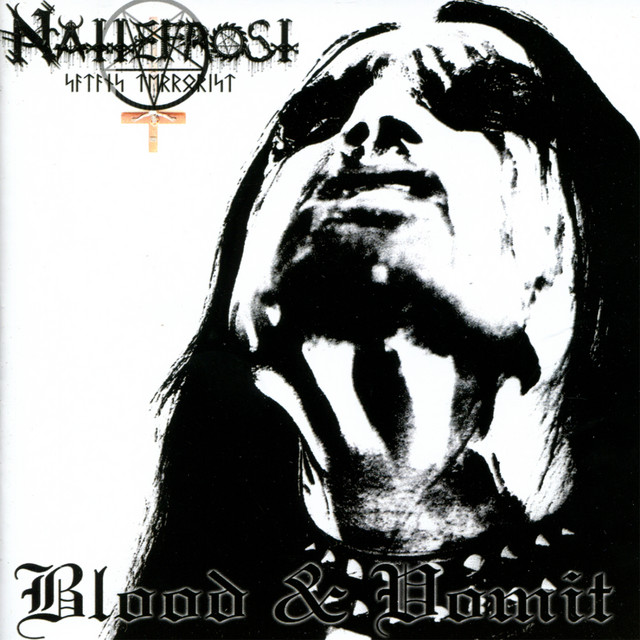
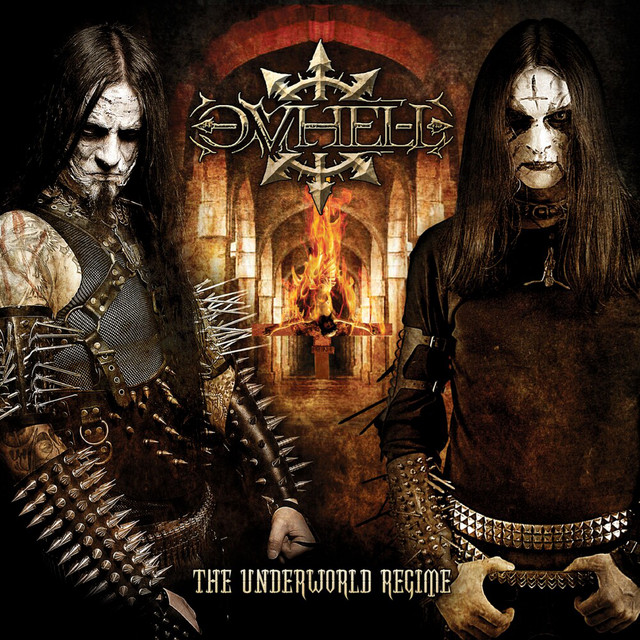
In the early 1990s, a tight cluster of bands centered in Oslo and Bergen catalyzed the second wave of black metal. Mayhem, Darkthrone, Burzum, Emperor, Immortal, and Enslaved forged a sound defined by tremolo‑picked riffs, blast beats, shrieked vocals, and an icy, minimalist atmosphere. Record shops and hubs such as Helvete became meeting points for musicians and zine culture. The scene’s notoriety grew due to a spate of church arsons and violent crimes, which attracted international attention but also obscured the music’s artistic breakthroughs. Independent labels and tape‑trading helped spread the sound globally, making Norway a synonym for black metal.

Expansion and Diversification (late 1990s–2000s)

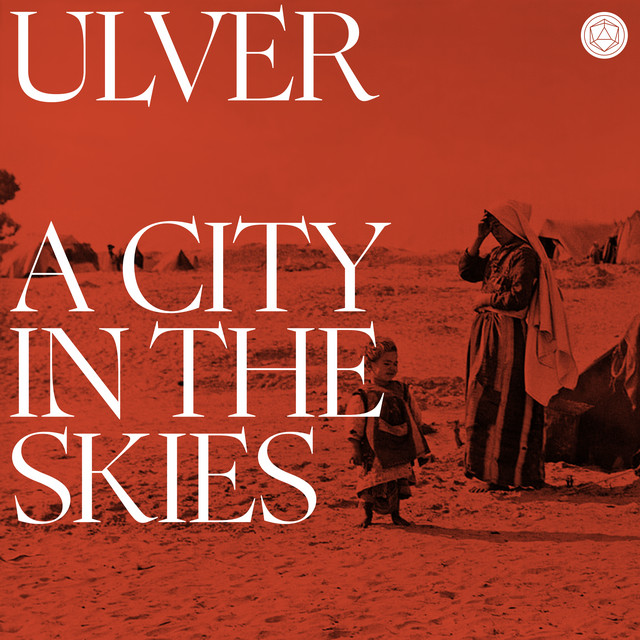
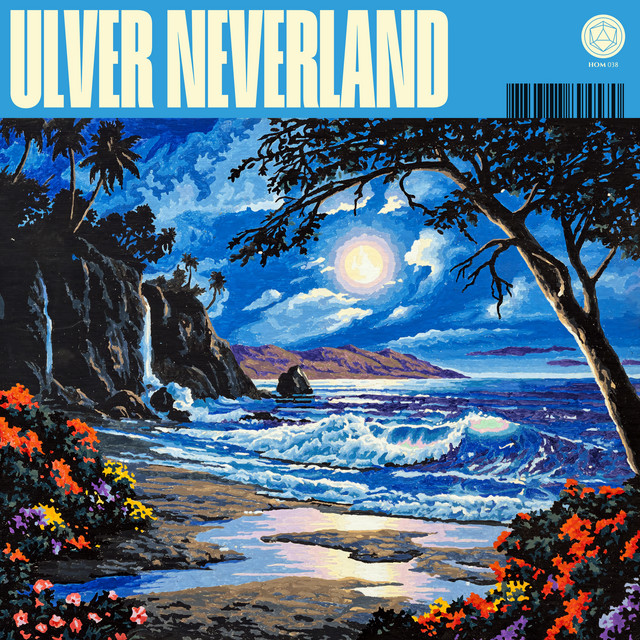
By the late 1990s, Norwegian metal diversified rapidly. Emperor and Dimmu Borgir integrated symphonic elements; Enslaved pivoted toward progressive and psych‑inflected forms; Ulver and Arcturus explored avant‑garde, ambient, and electronic directions. Satyricon’s streamlined aggression and Gorgoroth’s ferocity maintained the core black metal spirit while modernizing production. Festivals (e.g., Inferno) and a stronger label infrastructure connected Norway’s scene to a growing international audience.

Modern Era (2010s–present)

The 2010s cemented Norwegian metal’s stylistic breadth. Bands blended black metal with punk’n’roll, post‑metal, progressive, and folk influences; Kvelertak popularized a hook‑forward hybrid, while newer generations pursued atmospheric, post‑black, and experimental variants. Today, Norwegian metal stands as both origin point and laboratory for extreme‑music innovation, continuing to influence global trends while remaining rooted in a distinctly Nordic sense of mood and place.

How to make a track in this genre

Core Instrumentation and Tone
•   Guitars: Use high‑gain amps with grainy distortion. Employ extensive tremolo picking on minor/modal scales to create a cold, sustained wall of sound. Layer two guitars for wide stereo and counter‑melodies. •   Bass: Follow root motion tightly with the kick drum, occasionally diverging into pedal‑point drones or counter‑lines in slower passages. •   Drums: Alternate between blast beats, skank beats, and double‑kick passages. Use rapid cymbal work to maintain air and brightness over dense guitars. •   Keys/Orchestration (optional): For symphonic or atmospheric variants, add string pads, choirs, or pipe‑organ timbres to heighten grandeur and contrast.
Harmony, Melody, and Rhythm
•   Harmony: Favor natural/harmonic minor, Dorian, and Phrygian colors; employ open fifths and parallel motion to keep harmonies stark. Avoid frequent functional cadences—sustain tension with drones and pedal tones. •   Melody: Build long, arching tremolo motifs; use repeated contours and modal ornamentation to evoke folk/Nordic timbres. •   Rhythm: Contrast relentless blast sections with mid‑tempo, head‑down marches. Introduce odd meters or hemiolas in progressive contexts for momentum shifts.
Vocals and Lyrics
•   Vocals: Predominantly harsh—rasps, shrieks, and growls. Layer occasional clean or choral voices for contrast in symphonic/progressive passages. •   Themes: Nature, winter, mythology, existentialism, and introspection. Writing in Norwegian or Old Norse can deepen the local character; vivid, imagistic language reinforces atmosphere.
Production and Aesthetics
•   Early‑style authenticity: Embrace raw, lo‑fi textures—limited EQ, room mics, and minimal editing—to capture immediacy and frostbitten atmosphere. •   Modern approach: Tight editing, re‑amped guitars, and wide mix imaging. Use plate/room reverbs on vocals and snare; automate dynamics to keep long songs engaging.
Arrangement Tips
•   Shape songs in movements: freeze‑cold tremolo blocks, atmospheric interludes (clean guitar, synth drones), and climactic double‑kick codas. •   For progressive/avant work, weave recurring motifs across tempo and texture changes to maintain cohesion while exploring new timbral spaces.

Top tracks

Locked
Share your favorite track to unlock other users’ top tracks
Influenced by
Has influenced
Challenges
Digger Battle
Let's see who can find the best track in this genre
© 2026 Melodigging
Melodding was created as a tribute to Every Noise at Once, which inspired us to help curious minds keep digging into music's ever-evolving genres.
Buy me a coffee for Melodigging