Your digging level
Description
USBM (United States Black Metal) is the American branch of black metal, marked by a wide stylistic spectrum that runs from raw, lo‑fi ferocity to expansive, atmospheric and genre‑blurring forms.
While it preserves the core elements of black metal—tremolo‑picked guitars, blast beats, and shrieked vocals—it often emphasizes individualism, existential or nature‑focused themes, and an experimental approach that draws from punk, ambient, post‑rock, and noise.
Regional currents are notable: the Pacific Northwest (often dubbed “Cascadian”) favors long, immersive songs and environmental/nature themes; other hubs (California, the Midwest, the Northeast, and Texas) contributed raw, depressive, and progressive strains that helped define a distinctly American identity within black metal.


History
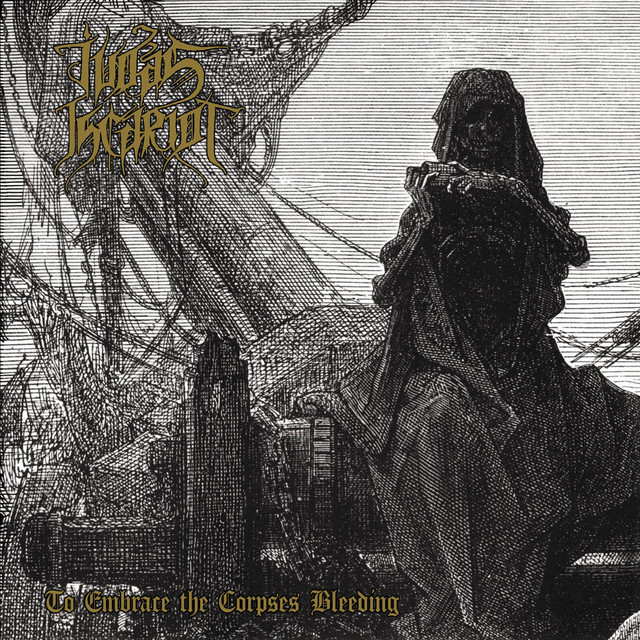
American black metal roots appear in the late 1980s and early 1990s, when bands like Von, Profanatica, and Demoncy explored a raw, blasphemous sound parallel to European developments. The global second wave of black metal in the early–mid 1990s (especially from Norway) catalyzed a surge of U.S. activity, with artists such as Absu and Judas Iscariot bridging thrash, death, and black metal aesthetics. Early U.S. releases were typically lo‑fi and underground, circulated via tape‑trading and small labels, establishing a cult foundation.
By the late 1990s and early 2000s, a distinct USBM identity emerged. Weakling’s "Dead as Dreams" (2000) became a touchstone for long‑form, atmospheric composition. Simultaneously, Leviathan and Xasthur helped codify a depressive, claustrophobic American strain. The Pacific Northwest scene (e.g., Wolves in the Throne Room) emphasized ecological themes and immersive songcraft, while bands like Agalloch fused folk, post‑rock, and black metal textures. Elsewhere, experimental and avant‑leaning approaches (Krallice, Nachtmystium) pushed harmony, rhythm, and production beyond orthodoxy.
In the 2010s, USBM diversified further and gained broader visibility. Liturgy’s philosophical framing of “transcendental black metal” and Deafheaven’s blackgaze crossover brought new audiences, sparking discourse about genre boundaries. Scenes in New York, California, the Midwest, and the South continued to flourish, mixing black metal with noise, post‑metal, shoegaze, ambient, and hardcore. While controversies around ideology periodically surfaced, much of USBM emphasized personal, naturalistic, or existential themes over dogmatic stances.
USBM remains pluralistic—ranging from raw, primitive expressions to highly produced, progressive works. Younger artists embrace field recordings, folk instruments, and expansive arrangements, while others retain stripped‑down aggression. The result is a genre that is both faithful to black metal’s core and uniquely American in its openness to hybridity, regional color, and concept‑driven narratives.

Top albums