Your digging level
Description
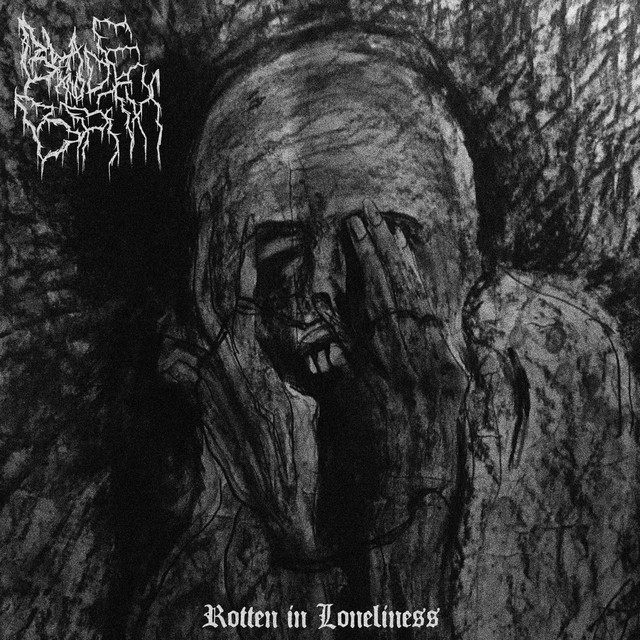
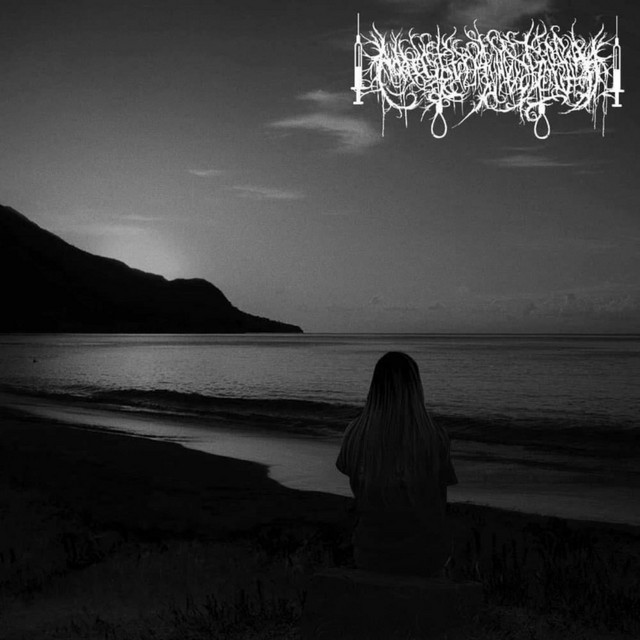
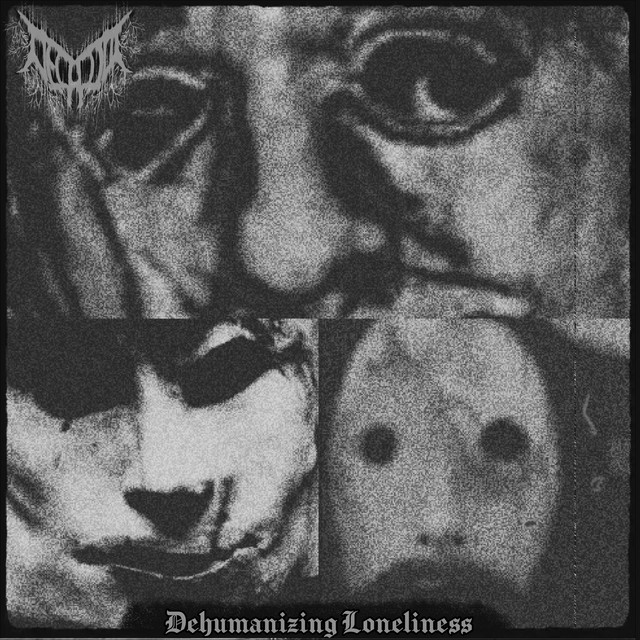
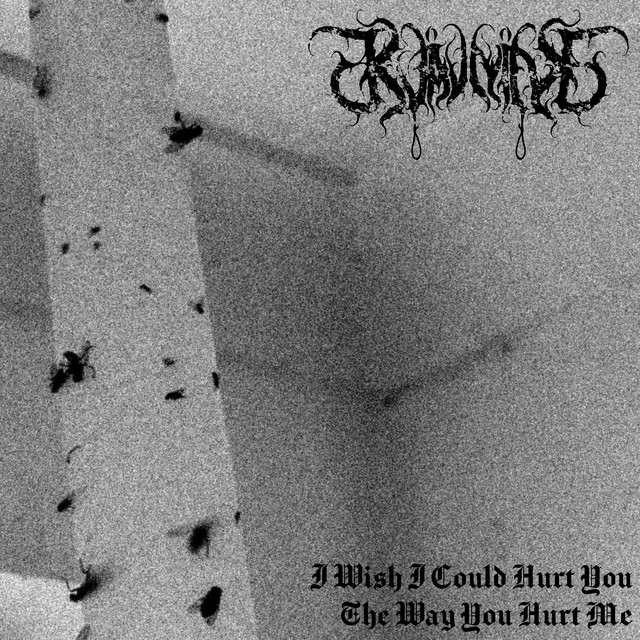
Depressive Black Metal (often abbreviated DSBM) is a bleak, atmospheric offshoot of black metal that emphasizes lethargic, melancholic, and repetitive soundscapes. It blends the harshness of second‑wave black metal with slow to mid‑tempo pacing, droning tremolo‑picked guitars, sparse or lo‑fi production, and an oppressive sense of mood.
Vocals range from high‑pitched wails and piercing screams to strained cleans, whispers, and spoken laments. Lyrics dwell on themes of depression, suicide, isolation, nihilism, and misanthropy. Many tracks include non‑distorted or clean‑guitar passages, minimalist piano/keys, or ambient interludes to heighten the sense of emotional desolation.
Structurally, songs are often long and cyclical, prioritizing atmosphere over virtuosity. The result is a raw but hauntingly intimate expression that sits between black metal’s aggression and dark ambient’s spacious melancholy.


History
Depressive Black Metal crystallized in the late 1990s out of the second‑wave black metal tradition. Early Scandinavian and German acts explored unusually desolate moods, slower pacing, and introspective themes compared with their peers. Pioneering touchstones include Norway’s Strid and Forgotten Woods, Germany’s Bethlehem (whose bleak “dark metal” palette foreshadowed the style), and atmospheric currents within the black metal underground that favored raw recording and mood over speed.
The style was codified by Swedish bands such as Shining and Silencer, who explicitly framed their music around depressive and “suicidal” themes, and by American one‑person projects like Xasthur and Leviathan, which popularized cavernous lo‑fi production, reverb‑drenched guitars, and tormented vocals. This period established core aesthetics: cyclic song forms, minimal harmonic motion, and stark contrasts between abrasive tremolo and fragile clean passages.
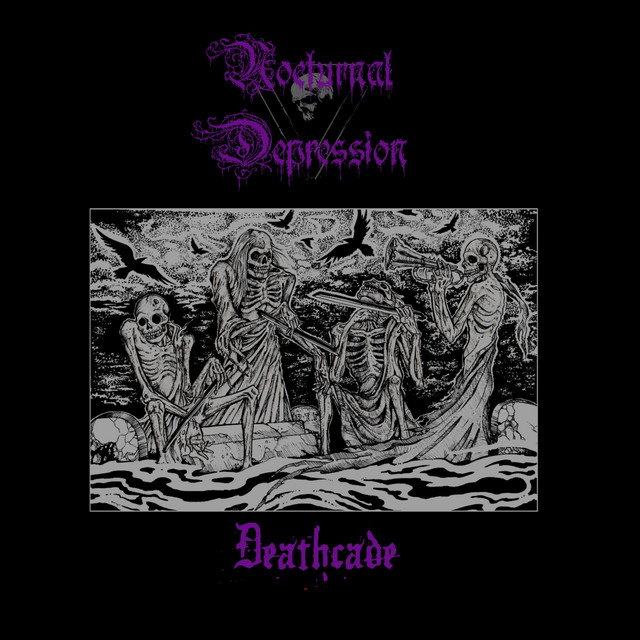
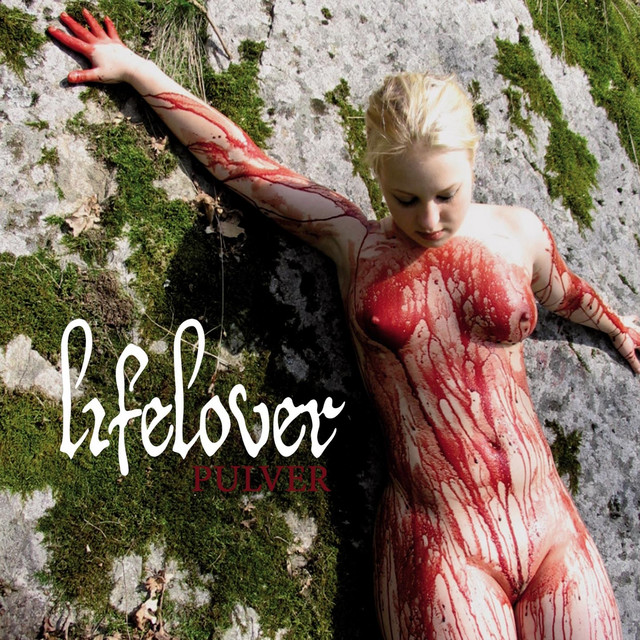
During the mid‑2000s the genre proliferated across Europe and the Americas. France (Nocturnal Depression), Germany (ColdWorld), Sweden (Lifelover, Hypothermia), Eastern and Central Europe (Trist, Nyktalgia), and South America (Thy Light) helped solidify a global DSBM network. Online distribution and small labels facilitated cassette/CD‑R culture, allowing intensely personal projects to reach international audiences.
In the 2010s, DSBM intersected with post‑black metal, blackgaze, and ambient black metal, adopting broader dynamics, shoegaze textures, and post‑rock crescendos while retaining depressive lyricism and atmosphere. Today, the genre persists both in purist raw forms and in hybrid styles, with artists increasingly mindful about responsible engagement with mental‑health themes while preserving the cathartic core that defines DSBM.