Your digging level
Description
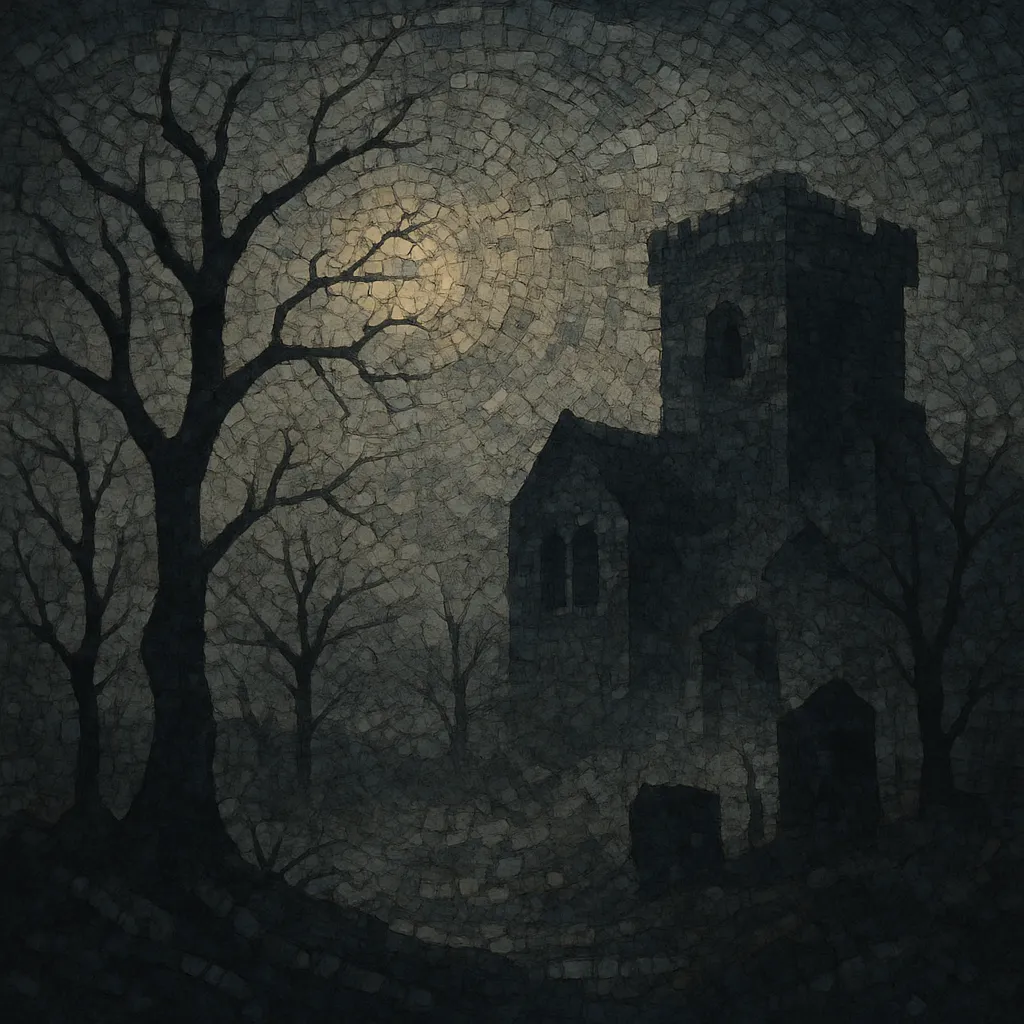
Dark ambient is a post‑industrial subgenre that coalesced in the mid‑1980s, drawing primarily on ambient music but shifting its focus toward ominous, subterranean space and timbre.
It is characterized by long, low‑frequency drones; dissonant or microtonal overtones; and an enveloping, gloomy or catacomb‑like atmosphere. While largely electronic (synthesizers, samplers, tape and digital processing), artists frequently incorporate field recordings, contact‑mic textures, bowed metal, gongs, and fragments of traditional instruments captured with semi‑acoustic techniques and then heavily processed. Melody and pulse are minimized; instead the music emphasizes immersive sound design, psychoacoustic detail, and slowly evolving textures that evoke dread, awe, and isolation.


History
Dark ambient emerged within the post‑industrial milieu in the mid‑1980s, when experimental artists connected ambient’s spaciousness with industrial music’s abraded timbres and conceptual bleakness. Early UK figures explored tape manipulation, metallic percussion, and site‑specific recording, using reverberant spaces (vaults, tunnels, cathedrals) to sculpt cavernous drones and dissonant textures. The goal was less background calm and more an enveloping, ominous presence.
Through the 1990s, specialist labels helped codify the style’s hallmarks: very low‑end rumbles, granular noise layers, bowed metals, choral or liturgical traces, and ritualistic pacing. Scandinavian and Central European scenes flourished alongside the UK and North America, while the "post‑industrial" umbrella connected dark ambient to power electronics, death industrial, and experimental drone. The concert experience often became an installation‑like event, favoring dim light, multichannel diffusion, and high dynamic range.
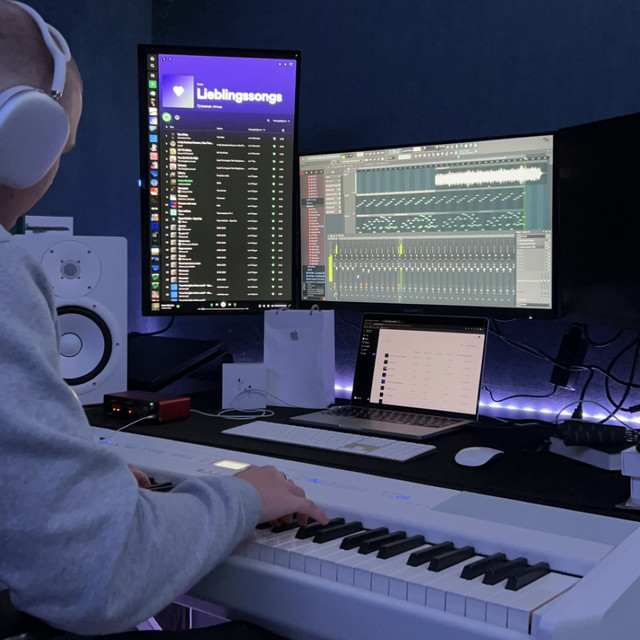
Affordable DAWs, convolution reverbs, and high‑resolution field recorders accelerated production in the 2000s. Netlabels and forums spread techniques (granular resynthesis, spectral processing, extreme time‑stretch). Dark ambient’s cinematic qualities led to extensive use in film trailers, horror/thriller scores, exhibitions, and video games, where its slow dread and textural detail translate well to interactive soundscapes.
The style continues to hybridize with dungeon synth, ritual/occult ambient, isolationism, and metal offshoots (e.g., atmospheric black metal interludes, drone metal introductions), and it informs contemporary sound design in gallery and podcast/fiction spaces. Despite diversification, the core aesthetic persists: ominous, dissonant atmospheres; monumental spatialization; and semi‑acoustic recording practices folded into electronic processing.



Top albums