Your digging level

For this genre
0/8
🏆
Sign in, then listen to this genre to level up

Description

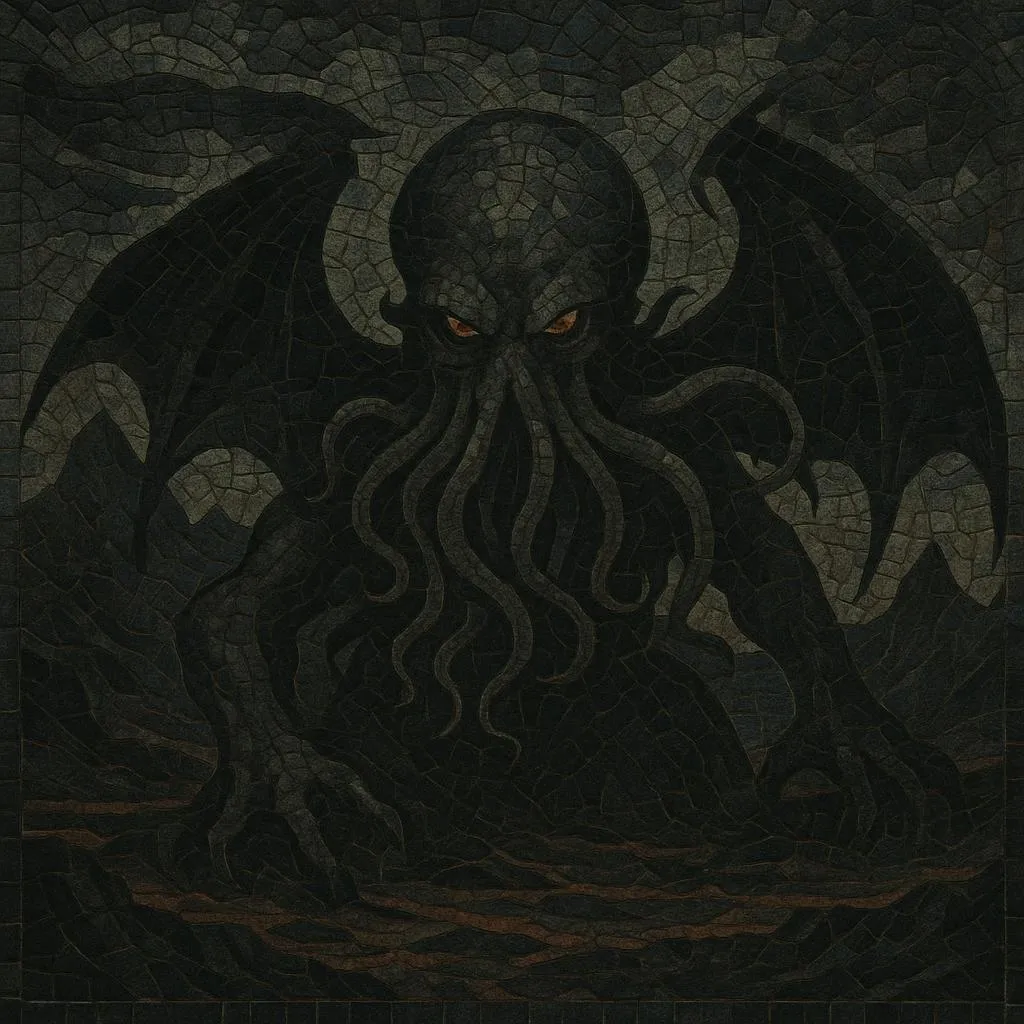
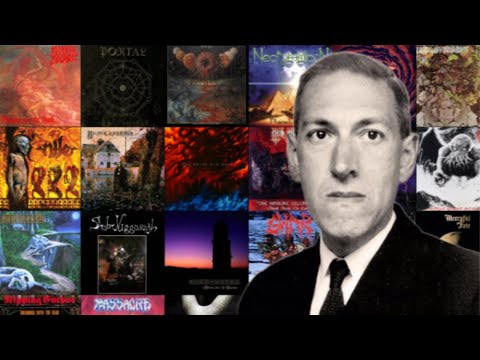
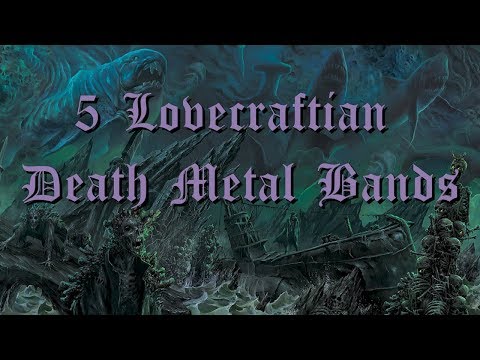
Lovecraftian metal is a cross‑scene thematic current within metal whose lyrics, imagery, and atmosphere are grounded in H. P. Lovecraft’s “cosmic horror” and the larger Cthulhu Mythos. Rather than being a single codified musical style, it cuts across doom, death, black, and occasionally thrash and progressive metal, uniting them through shared narrative and sound‑design choices that evoke insignificance, dread, and the vast, indifferent cosmos.

Musically, it tends to emphasize low tunings, dissonant chord shapes, tritone and minor‑second friction, and either glacial doom tempos or vertiginous black/death velocity. Production often leans toward cavernous reverberation, thick layers of guitar/synth drones, and textural sound effects (wind, surf, creaks, ritual bells) to suggest abyssal space or non‑Euclidean depths. Vocals range from sepulchral growls and abyssal roars to keening black‑metal shrieks and somber spoken incantations.

Lyrically, songs grapple with forbidden knowledge, unreliable narrators, cult ritual, drowned cities, cyclopean ruins, and the terror of scale—humanity dwarfed by entities and geometries beyond comprehension. Album art, song titles, and track sequencing frequently form concept arcs that reference specific tales, deities, and locales from the Mythos.
Sources: Spotify, Wikipedia, Discogs, RYM, MB, user feedback and other online sources

History

Origins (1980s)

Lovecraftian currents surface in metal as bands begin to mine horror literature for subject matter. In the 1980s, thrash and early extreme metal popularize literary allusions, and U.S. acts in particular bring the Cthulhu Mythos into the metal lexicon. These references help establish an enduring bridge between metal’s aesthetics of extremity and Lovecraft’s cosmic fear, even before a coherent “scene” coalesces.

Expansion and Codification (1990s)

The rise of death, black, and doom metal in the 1990s provides fertile ground: down‑tuned doom captures abyssal pressure, black metal’s tremolo and reverb evoke windswept voids, and death metal’s guttural attack embodies monstrous, amoral entities. Independent labels, zines, and tape‑trading nurture bands that make Lovecraft more than a one‑off reference—full concept albums, recurring deities, and cohesive visual lexicons become common.

Concept Albums and World‑Building (2000s–2010s)

As production expands and global scenes mature, multiple acts adopt Mythos‑focused discographies: complete albums dedicated to specific stories, drowned‑city cycles, and ritual narratives. Sonic palettes widen—textural dark‑ambient interludes, field recordings, and orchestral/synth layers complement doom and death foundations—while artwork, typography, and packaging deepen the mythopoetic experience.

Present Day

Streaming era curation (playlists, tags) makes Lovecraftian metal legible as a thematic micro‑genre that cuts across styles. The approach influences how many extreme‑metal bands sequence albums, design sound stages (cavernous/cosmic), and frame lyrics as unreliable or epistolary narratives. The result is less a single sound than a recognizable set of mood, rhetoric, and production tropes aligned with cosmic horror.

How to make a track in this genre

Core Aesthetic
•   Aim for a sense of scale and indifference: the mix should feel cavernous and vast. Use long reverbs, delays, and layered drones to place instruments in a hostile ‘space’. Avoid overly bright, intimate production.
Harmony, Riffing, and Texture
•   Tunings: down‑tune (Drop B, A, or lower) to add weight. •   Interval language: lean on tritones, minor seconds, and stacked seconds; blend Locrian/Phrygian colors, chromatic planing, and whole‑tone fragments to unmoor tonality. •   Riffs: alternate between glacial, sustained doom figures and agitated tremolo lines. Let dissonant chords ring into one another; allow overtones to clash. •   Texture: add background swells (synth or bowed guitar), sub‑bass rumbles, and sparse noise layers. Field recordings (wind, water, chains, distant chants) can subtly fill negative space.
Rhythm and Form
•   Tempos: two poles work well—60–80 BPM for abyssal doom; 180–240+ BPM for black/death ferocity. Use sudden tempo drops or accelerandi to suggest vertigo. •   Drums: for doom, emphasize toms and cymbal wash with ritualistic patterns; for black/death passages, use blast beats, skank beats, and double‑kick surges. Consider asymmetrical meters (5/4, 7/8) or metric feints to evoke ‘non‑Euclidean’ instability. •   Song form: favor narratives—intro incantation → revelation → descent/collapse. Interleave ambient interludes or spoken passages to pace the storyline.
Vocals and Lyrics
•   Vocal palette: alternate abyssal growls, rasping shrieks, and stern baritone narrations. Layer whispers for ‘voices from the void’. •   Lyric craft: write as journals, letters, or depositions; use unreliable narrators. Avoid simple monster‑lists—evoke sensory detail (angles that hurt to see, brine‑soaked stone, pressure of depths). Keep theology ambiguous and indifferent rather than moralistic.
Orchestration and Sound Design
•   Guitars: blend one dense rhythm stack with a reverb‑drenched lead doing slow bends or tremolo motifs. •   Keys/synths: low choir pads, pipe organ swells, Mellotron/strings for ancient grandeur; modular drifts or granular textures for ‘cosmic radiation’. •   Ear‑candy: distant bells, conch/horns, bowed cymbals, or frame drums to suggest ritual. Use parallel low woodwinds/choirs if symphonic.
Production and Visuals
•   Mix: prioritize atmosphere over hyper‑clarity; allow controlled mud in lows for undertow, but carve space so kick/bass remain intelligible. Gentle tape/tube saturation can add age and menace. •   Artwork and sequencing: continuity matters—titles, interludes, and cover design should trace a Mythos arc and hint at places/entities without over‑explaining.

Top tracks

Locked
Share your favorite track to unlock other users’ top tracks

Upcoming concerts

in this genre
Influenced by
Has influenced

Download our mobile app

Get the Melodigging app and start digging for new genres on the go
© 2026 Melodigging
Melodding was created as a tribute to Every Noise at Once, which inspired us to help curious minds keep digging into music's ever-evolving genres.
Buy me a coffee for Melodigging