

Your digging level
Description
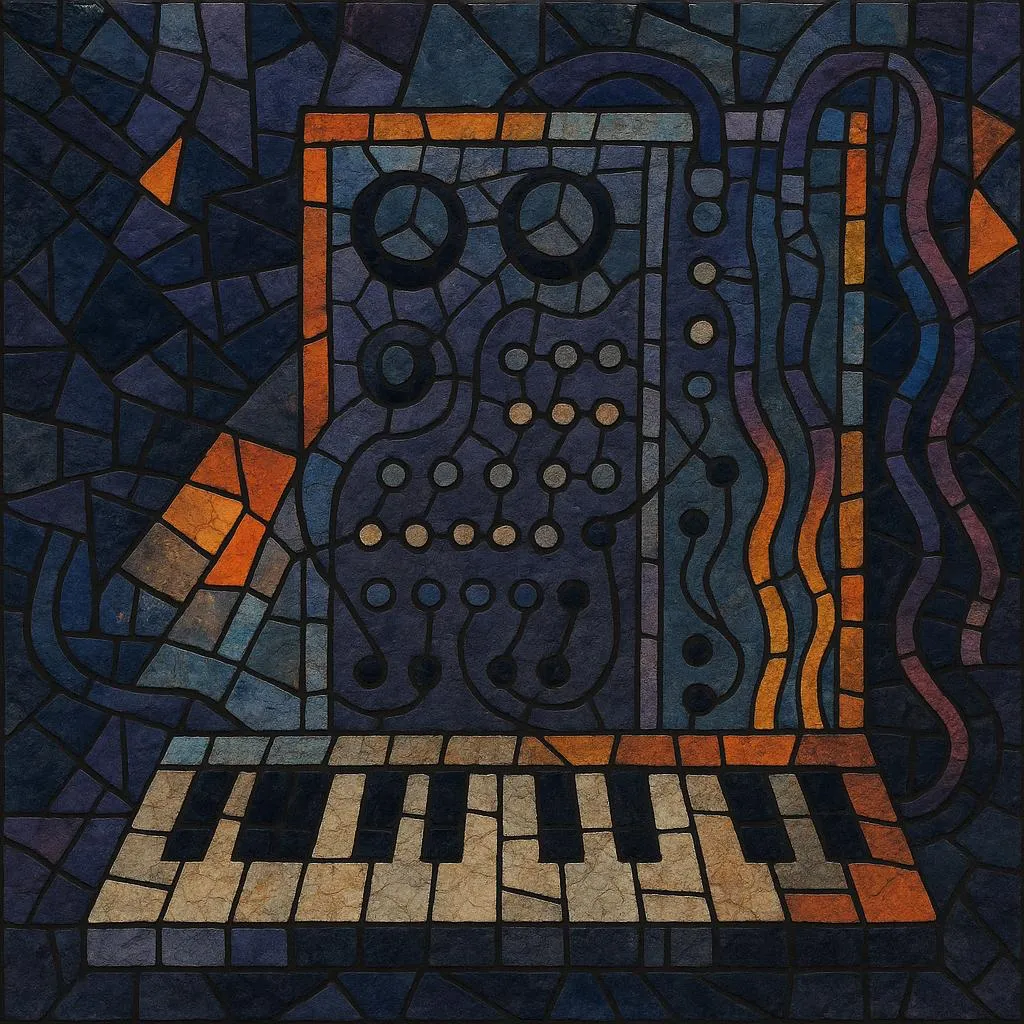
Experimental synth is an exploratory approach to synthesizer-based music that treats the synth as a laboratory for timbre, texture, and structure rather than a vehicle for conventional song forms.
Rooted in studio experimentation and modular systems, it prioritizes sound design, extended technique, and process over genre rules. Pieces may hover between ambient stillness and abrasive noise, cycle through generative patterns, or reshape acoustic recordings with electronic means. While rhythm and harmony can be present, they are often deconstructed: pulses drift, scales dissolve into microtonal or modal color, and form evolves as a sound sculpture in time.
Because it is a method as much as a style, experimental synth overlaps with ambient, electroacoustic, Berlin School, and contemporary avant‑garde practices, and thrives in contexts from academic studios and boutique modular rigs to DIY cassette labels and art galleries.


History
The foundations of experimental synth coalesced as voltage‑controlled instruments (Moog, Buchla, ARP) became available outside of large research studios. Composers and sound artists used modular systems as open‑ended instruments, emphasizing patching, control voltages, and tape manipulation. In parallel, the Berlin School and kosmische scenes explored long‑form sequencer cycles and timbral expansion, linking studio craft with performance.
Affordable analog and early digital synths widened access. Artists folded in minimalism’s process music, musique concrète’s editing ethos, and electroacoustic spatial thinking. DIY cassette cultures and small studios nurtured idiosyncratic voices while cross‑pollination with industrial, noise, and ambient scenes pushed texture and form into more extreme territories.
Eurorack modular revived hands‑on synthesis, encouraging improvisation, generative patching, and bespoke signal paths. Software environments (Max/MSP, Reaktor, SuperCollider) and hybrid setups blurred instrument/build/composition boundaries. Contemporary practitioners frequently present album-length sound sculptures, multichannel installations, or live sets that treat the venue as part of the instrument—sustaining experimental synth as a living, exploratory practice.



Best playlists

![Relaxing Experimental Ambient Mix Vol. 2 [Vinyl Studio Session] with RAICA](https://i.ytimg.com/vi/1oQRHi4-uQc/hqdefault.jpg)

