Your digging level
Description
Occult black metal is a dark, ritual-leaning branch of black metal that centers its aesthetics, lyrics, and atmosphere on esotericism, ceremonial magic, demonology, alchemy, and other arcane traditions. While it preserves black metal’s harsh timbral palette—tremolo-picked guitars, rasped vocals, and raw production—it places unusual weight on atmosphere, liturgical cadence, and symbolic coherence.
Musically, it spans from mid‑tempo, processional grooves to frenzied blasts, often weaving in drones, church bells, choral or chant-like passages, pipe organ or harmonium timbres, and ritual percussion. Harmonically it favors minor modes, tritones, and dissonances that evoke a sense of forbidden knowledge. The production typically embraces cavernous space and analog grit, amplifying the genre’s sepulchral, incense-filled aura.


History
Occult black metal coalesced during the second wave of black metal in the early–mid 1990s, when bands began to move beyond shock-oriented Satanism toward more structured, initiatory and esoteric frameworks (Ceremonial Magic, Qabalah, Thelema, and syncretic Left‑Hand Path currents). Italy, Greece, Scandinavia, and Central Europe were early nodes, with Italian groups in particular helping codify a ritual approach that blended processional pacing, occult lyricism, and deliberately archaic sonics.
In the 2000s, a surge of "orthodox" and esoteric black metal emphasized devotional rigor: sigil-laden artwork, album cycles tied to ritual calendars, and lyrics structured like invocations. Musical vocabulary broadened to include organ and choral textures, hand percussion, and droning interludes, while maintaining black metal’s biting guitars and shrieked vocals. Labels and underground festivals became conduits for a pan‑European network of projects sharing ceremonial and initiatory aesthetics.
The 2010s saw the style mature into a recognizable subset: mid‑tempo, ritualistic songs balanced with strategic blasts; spacious, reverb-heavy production; and albums conceived as cohesive rites. Collaboration with dark ambient and ritual ambient artists intensified, and some projects adopted liturgical set pieces on record and on stage (robes, incense, altars), reinforcing the occult framing. Today the style remains a vital, international current within black metal, prized for its atmosphere, layered symbolism, and disciplined thematic focus.
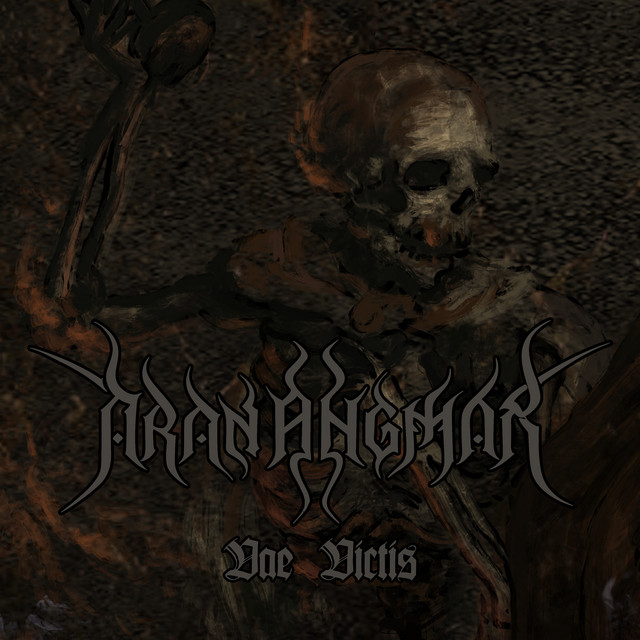
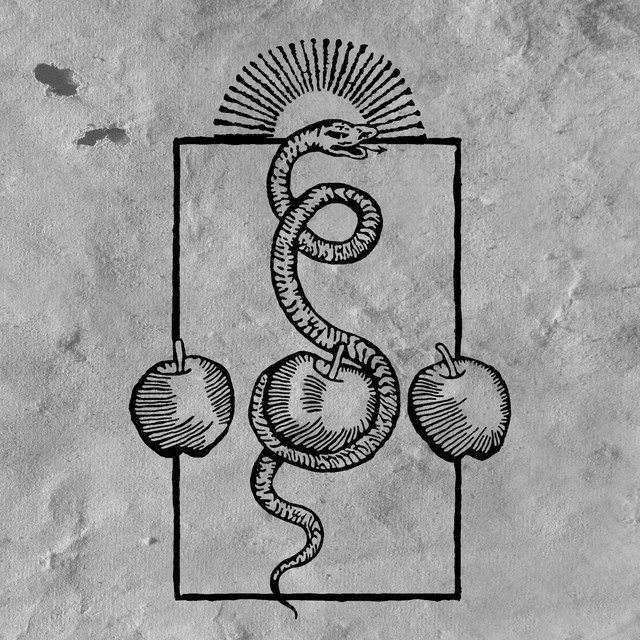
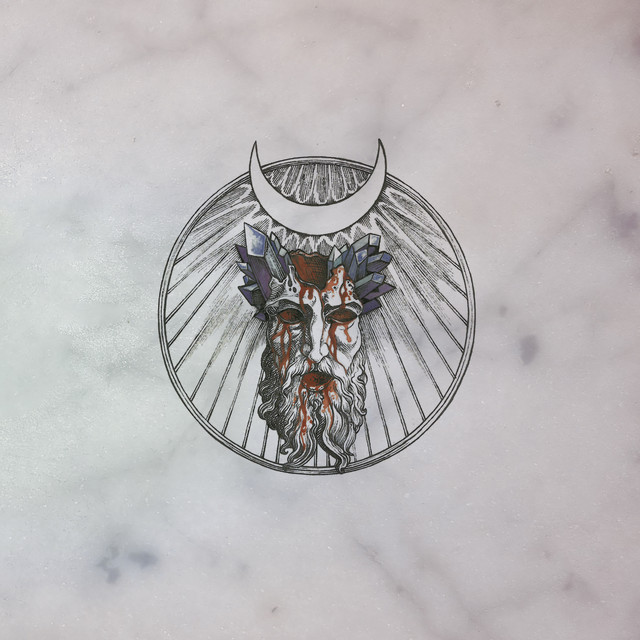
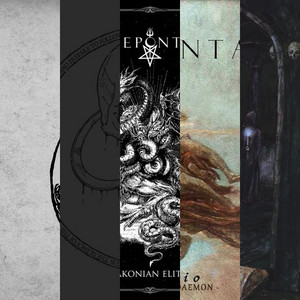
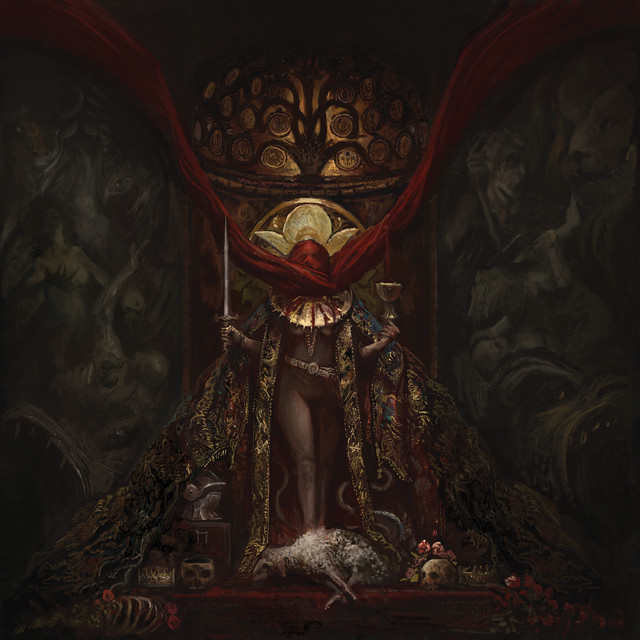
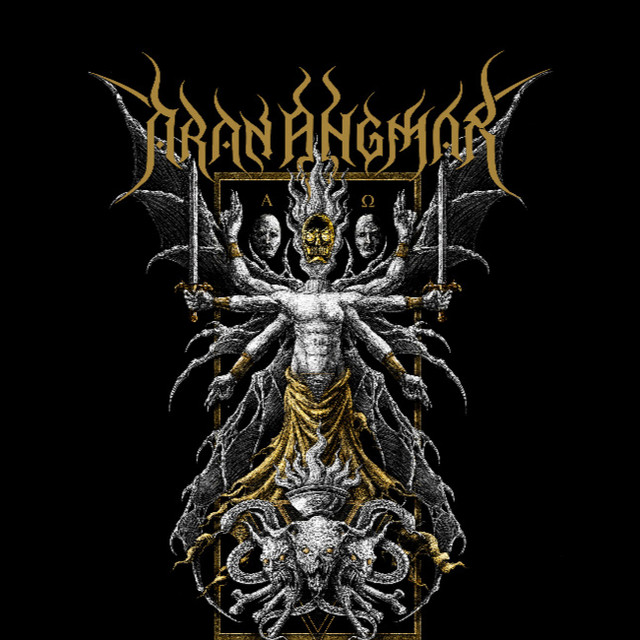
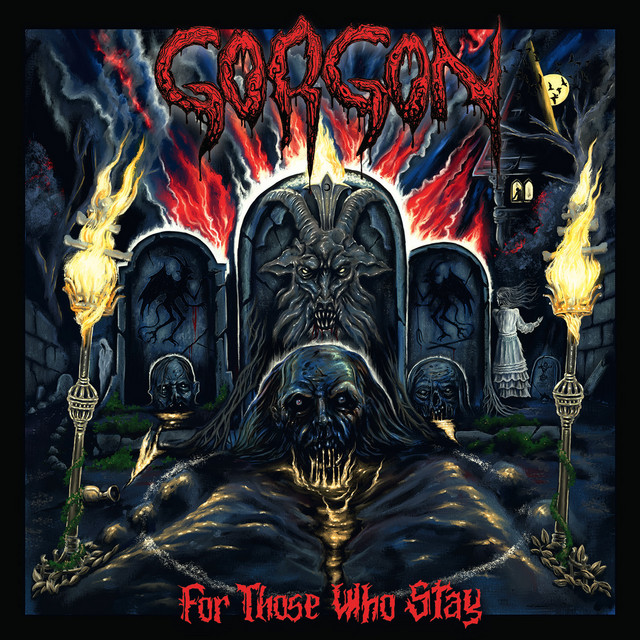
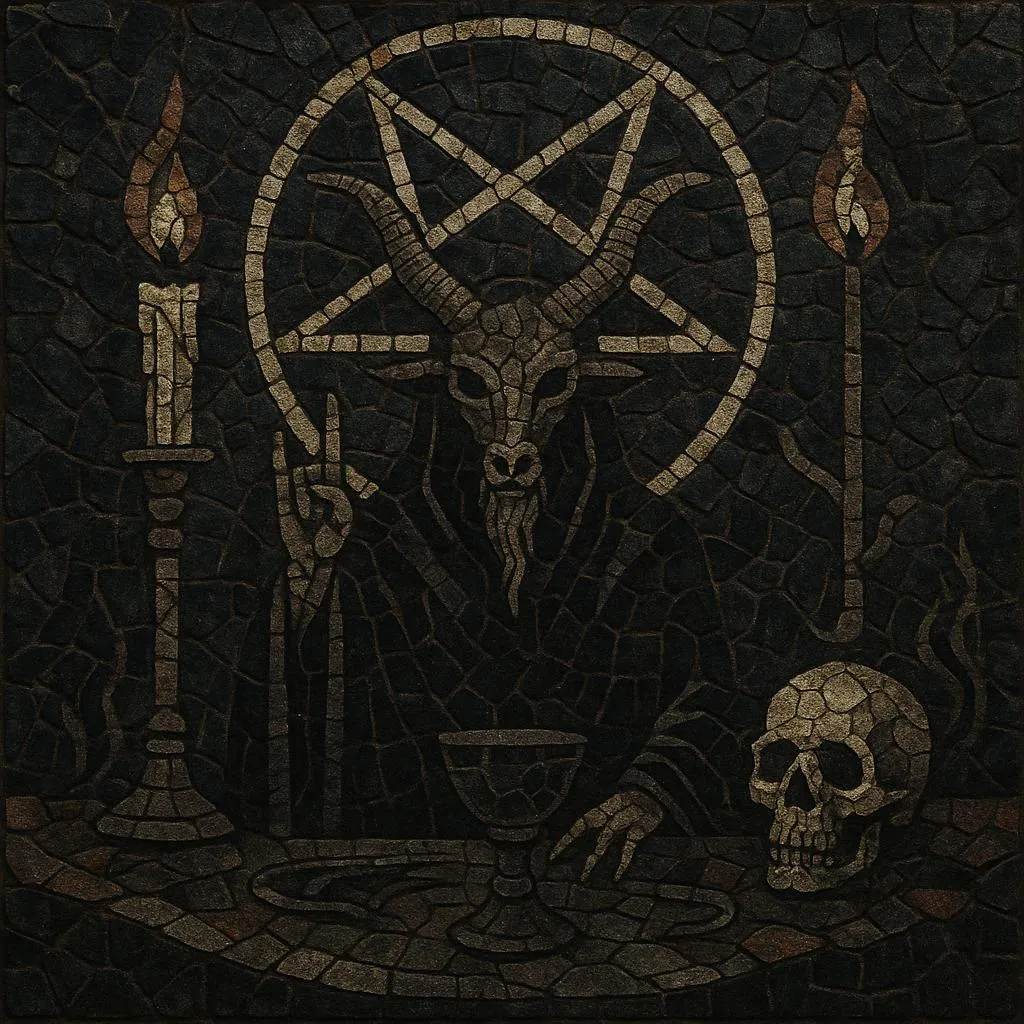
Artwork typically features sigils, alchemical diagrams, medieval woodcuts, and temple imagery. Lyrics shift from blasphemous polemic to hermetic treatises, hymns, and apotropaic formulae. The guiding principle is alignment of sound, text, and image into a unified, initiatory experience.