Your digging level
Description
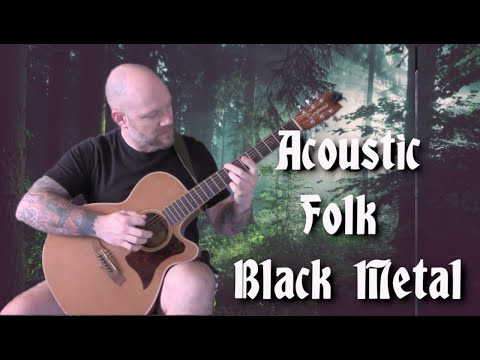
Folk black metal is a fusion style that combines the harsh, fast, and atmospheric characteristics of black metal with folk music elements drawn from regional and traditional sources.
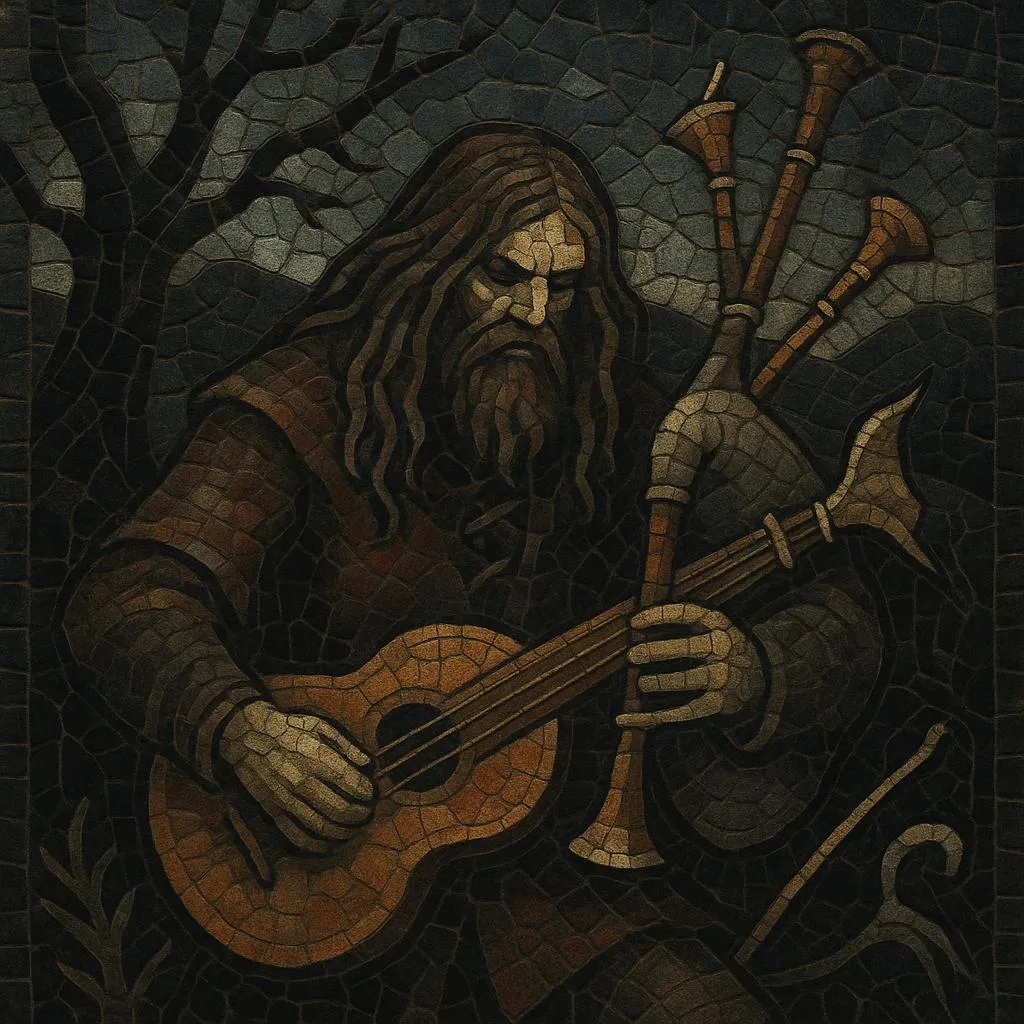
It typically retains black metal’s core traits—tremolo-picked guitar riffs, blast beats, shrieked vocals, and dark or epic atmospheres—while adding folk instrumentation (such as flutes, fiddles, bagpipes, hurdy-gurdy, or mouth harps), folk-derived melodies, and lyrical themes rooted in mythology, paganism, nature, history, or cultural identity.
The result can range from raw and aggressive music with subtle folk scales to grand, melodic, and “anthemic” material where folk themes dominate the hooks and arrangements.

History
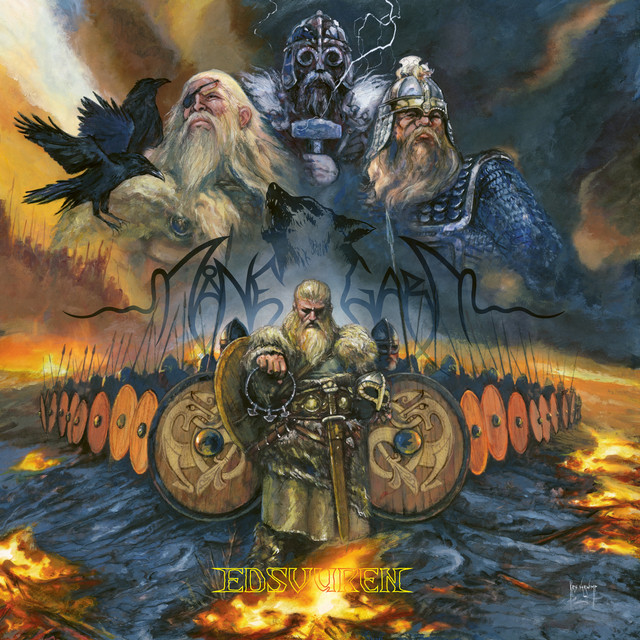
Folk black metal grows out of early black metal and its second-wave explosion, especially in Scandinavia, where artists increasingly emphasized atmosphere, nature, and pre-Christian mythology.
During the 1990s, bands began integrating clearly identifiable traditional melodies, instruments, and rhythmic gestures into black metal. Some approached it through pagan/heritage themes and modal folk tunes, while others used folk instruments primarily for intros and interludes.
In the 2000s, the style diversified and spread widely across Europe and beyond. Production values ranged from raw underground releases to polished, symphonic-leaning epics. Regional scenes (Nordic, Slavic, Celtic, and other local traditions) became stronger points of identity.
Contemporary folk black metal often focuses on immersive atmosphere and storytelling, sometimes blending in post-metal or blackgaze-like expansiveness, while other artists pursue historically informed folk instrumentation or more extreme, raw approaches.