Your digging level for this genre

0/8
🏆
Sign in, then listen to this genre to level up

Description

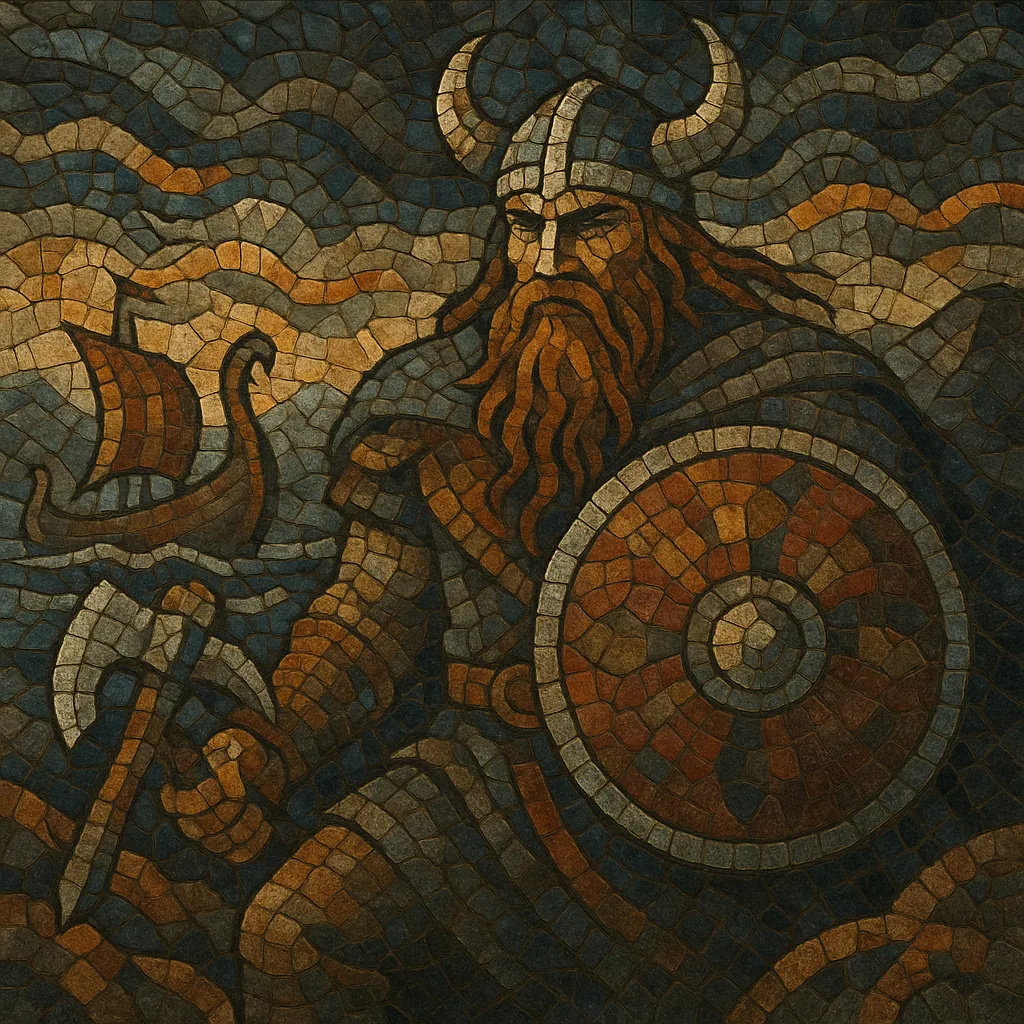
Viking metal is a Scandinavian-born metal style that fuses the harsh timbres and riffing of black and heavy metal with epic, saga-like songwriting and Norse mythological themes.

Compared to second‑wave black metal, it tends toward slower to mid‑tempo pacing, chanted or heroic clean vocals alongside growls, and grand, choir‑like arrangements. Folk instruments (fiddle, flute, nyckelharpa, tagelharpa, etc.) and modal melodies drawn from Nordic folk idioms are common, creating a windswept, seafaring atmosphere.

Lyrically it focuses on pre‑Christian history, sagas, battle, nature, and pagan spirituality, favoring narrative storytelling and anthemic refrains over blasphemous or satanic topics typical of early black metal.

History

Origins (late 1980s)

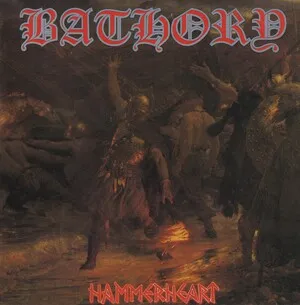
Viking metal emerged in Scandinavia as artists sought an epic, historical alternative to the satanic themes of early black metal. The Swedish band Bathory pioneered the sound: after feral first‑wave black/thrash beginnings, Blood Fire Death (1988) hinted at a new direction, crystallized on Hammerheart (1990) and Twilight of the Gods (1991), which introduced slower, heroic tempos, choral vocals, and Norse themes.

1990s Codification and Spread

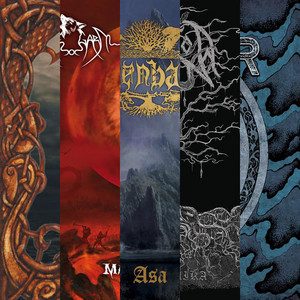
In the 1990s, Norwegian and Finnish scenes helped define the genre. Enslaved blended black metal foundations with progressive ideas and Old Norse language on Vikingligr Veldi (1994) and Eld (1997). Einherjer, Mithotyn, Thyrfing, Falkenbach, and Månegarm expanded the palette with folk instruments, sweeping choruses, and melodic, mid‑tempo riffing. Simultaneously, the broader rise of folk and pagan metal overlapped with—and was partly catalyzed by—the Viking metal aesthetic.

2000s Expansion and Cross‑Pollination

The 2000s saw increased production values and larger ensembles, with bands like Moonsorrow and Windir integrating lengthy, cinematic arrangements and strong folk modalities. Amon Amarth—musically rooted in melodic death metal—popularized Viking imagery worldwide, pulling the style toward bigger stages and broader audiences, even if purists differentiate them from the core Viking metal sound.

Aesthetics and Legacy

Viking metal’s legacy lies in its epic scope: tom‑driven, march‑like rhythms; layered choirs; modal folk melodies; and lyrics channeling sagas and nature. It influenced pagan/folk metal broadly and encouraged black and death metal musicians to explore historical and mythic narratives with grand, atmospheric arrangements.


How to make a track in this genre

Core Instrumentation and Texture
•   Guitars: Use layered rhythm guitars with a mix of tremolo picking (for lineage to black metal) and mid‑tempo, heroic power‑chord progressions. Add melodic leads in parallel thirds or fifths for an anthemic feel. •   Vocals: Combine harsh growls with clean, chanted baritone choirs. Group vocals and gang‑shouts on refrains evoke communal saga‑telling. •   Folk Colors: Add Nordic folk timbres—nyckelharpa, tagelharpa, Hardanger fiddle, flutes, or acoustic guitar—to introduce modal motifs and rustic textures. •   Drums & Bass: Favor tom‑heavy patterns and measured double‑kick. Mid‑tempo (roughly 80–120 BPM) often feels like a marching longship rhythm.
Harmony, Melody, and Modes
•   Modes: Lean on Aeolian (natural minor), Dorian, and occasionally Mixolydian to evoke Nordic folk flavor. Drone pedals and open fifths underscore the epic tone. •   Riffs: Alternate between atmospheric tremolo figures and stately, down‑picked motifs. Employ call‑and‑response between riff and choir. •   Keys/Progressions: Minor‑key centers with modal mixture; resolve to power‑chord cadences for weight rather than complex functional harmony.
Arrangement and Form
•   Structure: Epic, narrative forms (6–10 minutes) with dynamic arcs—quiet folk intros, surging mid‑sections, and triumphant codas. •   Layers: Stack choirs, octave guitar leads, and pads (subtle synths or chorus guitar) to create windswept breadth. •   Interludes: Insert acoustic or folk instrumental interludes referencing traditional dance tunes or laments.
Lyrics, Language, and Imagery
•   Themes: Norse mythology, sagas, voyages, battle, seasons, and pre‑Christian spirituality. Prefer historical/mythic narrative to modern satire or blasphemy. •   Language: Consider Old Norse, Icelandic, Swedish, or Norwegian for authenticity; English can work when styled poetically. •   Poetics: Use kennings and alliteration; frame verses like stanzas of a saga, with a rousing, chantable chorus.
Production Tips
•   Atmosphere: Moderate saturation, natural room reverb on choirs and toms, and wide‑panned guitars. Keep clarity for folk instruments. •   Balance: Let vocals and toms carry the march; carve midrange for layered guitars; spotlight folk leads in intros and bridges.

Top tracks

Locked
Share your favorite track to unlock other users’ top tracks
Influenced by
Has influenced
Challenges
Digger Battle
Let's see who can find the best track in this genre
© 2025 Melodigging
Melodding was created as a tribute to Every Noise at Once, which inspired us to help curious minds keep digging into music's ever-evolving genres.
Buy me a coffee for Melodigging