Your digging level
Description
Humppa is a Finnish social dance music style built on a brisk duple meter (2/4) at roughly 110–130 BPM. It is closely related to early jazz dance band music and the fast foxtrot, but rendered with a distinctly Nordic, oompah-driven pulse.
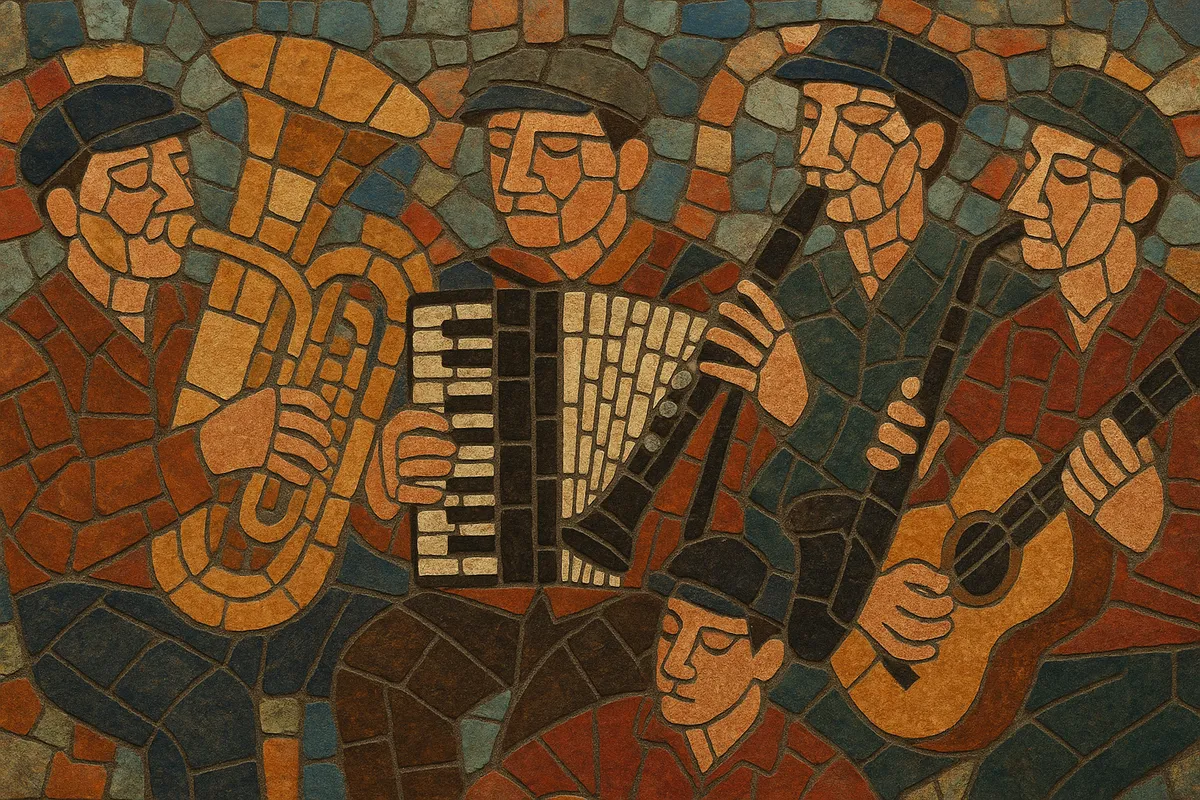
The feel is buoyant and bouncy: a strong bass note on beat one (often by tuba or bass) followed by a lighter off‑beat “pa” on beat two, creating an unmistakable hypnotic lilt. Accordion, clarinet, saxophones, brass, and dance‑band rhythm sections carry jaunty, singable melodies and simple, major‑key harmonies tailored for social dancing.
The term “humppa” was popularized in the 1950s by Finnish broadcaster Antero Alpola, drawing on the Oktoberfest “oompah” onomatopoeia. Since then, humppa has denoted both the music and the social dances performed to it across Finland’s dance pavilions (lavatanssit).
History
Finnish dance orchestras embraced foxtrot- and jazz-derived rhythms in the interwar years, blending them with local schlager/iskelmä aesthetics. The functional goal was clear: supply lively, steady two-beat dance music for Finland’s vibrant social dance culture.
The word “humppa” was popularized by radio host Antero Alpola in the 1950s, inspired by the German “oompah” heard at Oktoberfest. This label crystallized a Finnish, brisk 2/4 dance style—bass-on-one, off‑beat on two—codified by dance bands featuring accordion, reeds, brass, and rhythm section. In these decades, humppa became a staple of dance pavilions (lavatanssit) throughout the country.
As Finnish schlager (iskelmä) flourished, humppa functioned as one of its go-to dance feels. Dance orchestras and popular vocalists recorded humppa numbers, keeping the style current in social settings and on radio, even as tango and other dance forms also thrived.
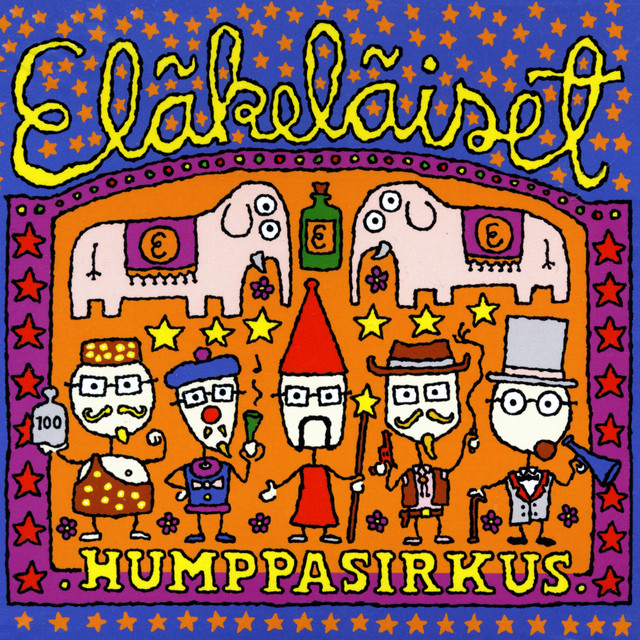
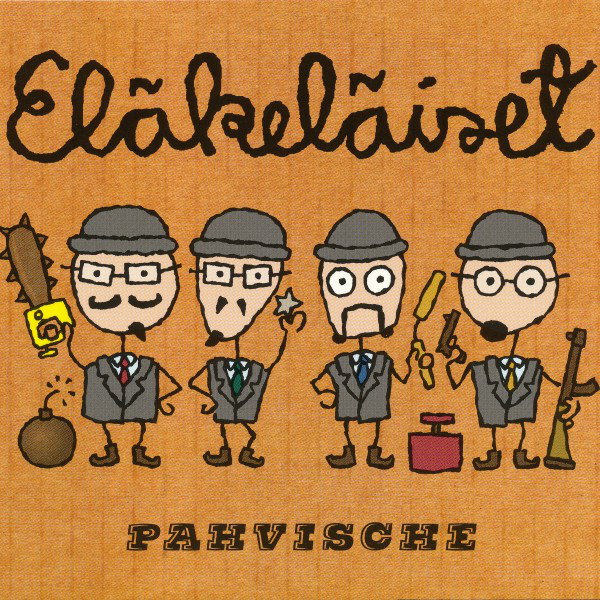
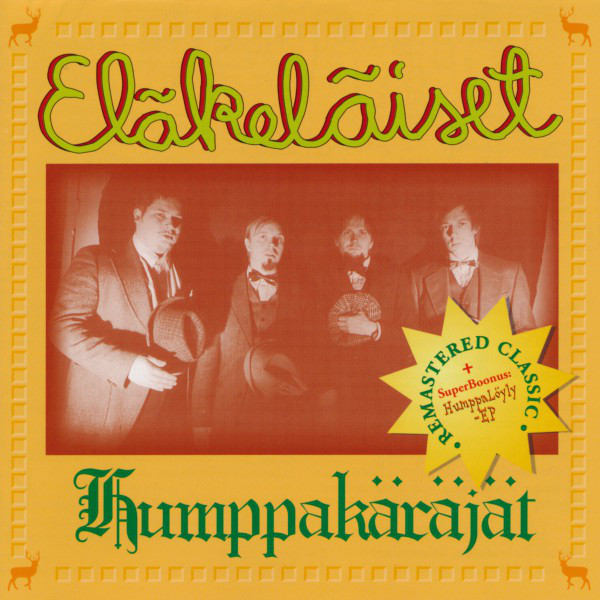
Humppa’s cheerful simplicity invited playful reinterpretation. Comic acts and revival groups highlighted its catchy pulse. From the 1990s onward, bands like Eläkeläiset made humppa a cult export by turning rock and pop hits into tongue‑in‑cheek humppa covers, bringing the style to new audiences.
Humppa remains an instantly recognizable dance groove in Finland—heard at social dances, festivals, and in contemporary parodies. Its propulsion has even seeped into heavier genres, notably Finnish “troll metal,” where bands borrow humppa’s oompah patterns to energize folk‑metal frameworks.