Your digging level

For this genre
0/8
🏆
Sign in, then listen to this genre to level up

Description

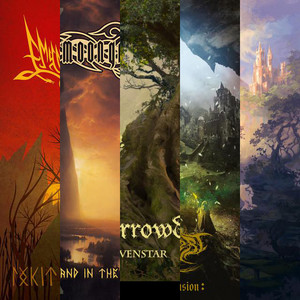
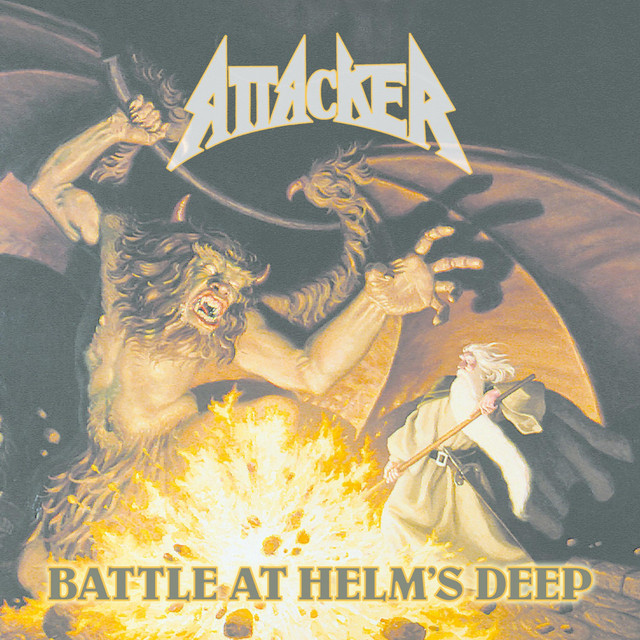
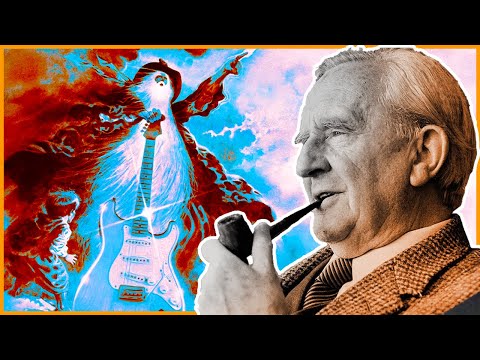
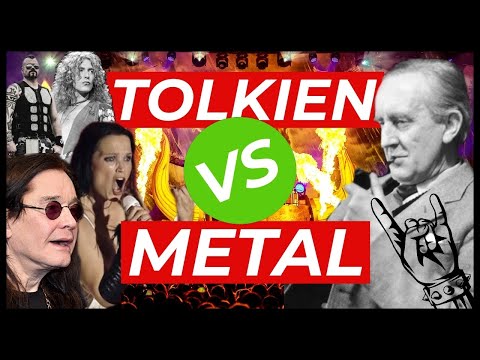
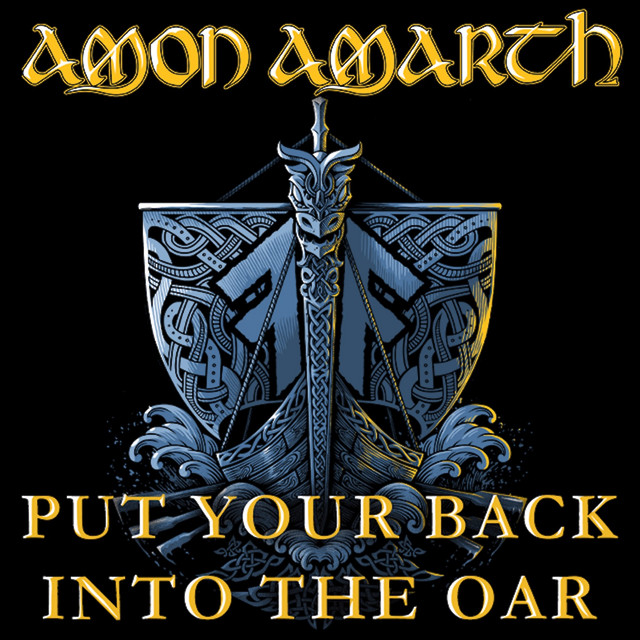
Tolkien metal is a niche form of heavy metal in which the lyrical themes, imagery, and often the overall musical atmosphere are explicitly inspired by J.R.R. Tolkien’s Middle-earth legendarium.

Musically it usually borrows from epic and melodic metal traditions (especially power metal and some forms of black/folk metal), aiming for a heroic, mythic tone through soaring melodies, dramatic arrangements, and narrative lyrics.

Common subjects include specific characters (e.g., Túrin, Fingolfin, Eärendil), places (Mordor, Valinor), and events (the Wars of Beleriand, the War of the Ring), with song structures that often resemble miniature “chapters” or scenes.

Sources: Spotify, Wikipedia, Discogs, Rate Your Music, MusicBrainz, and other online sources

History

Origins (1990s)

Tolkien metal emerged in the 1990s as metal bands increasingly adopted fantasy literature and myth as serious lyrical sources rather than mere aesthetics. While fantasy themes existed earlier in hard rock and metal, the 1990s saw more explicit, sustained Tolkien-focused projects, aided by the growth of extreme metal and the flourishing of European power and folk metal scenes.

Consolidation and Visibility (2000s)

In the 2000s, the release and global popularity of Peter Jackson’s The Lord of the Rings film trilogy helped expand the audience for Tolkien-inspired art in general, including metal. During this period, several bands became widely recognized for Middle-earth-centered releases, and the “Tolkien metal” label became a convenient way to describe groups whose catalogues repeatedly referenced Tolkien rather than using fantasy only occasionally.

Contemporary Scene (2010s–present)

From the 2010s onward, Tolkien metal has remained a stable micro-scene, with new acts forming across Europe and the Americas. Modern releases often combine cinematic orchestration, choirs, and folk instruments with metal riffing, and many bands lean into concept-album storytelling focused on The Silmarillion as much as The Lord of the Rings.

How to make a track in this genre

Core Musical Approach
•   Aim for narrative music. Structure songs as scenes with clear emotional arcs (journey, battle, lament, triumph), using intros/outros and recurring motifs to suggest locations or characters. •   Choose a metal foundation. Most Tolkien metal sits closest to epic/power metal riffing and harmony, or to atmospheric black/folk metal textures depending on how aggressive you want the delivery.
Instrumentation & Sound Design
•   Guitars/Bass: Use melodic tremolo lines or harmonized power-metal riffs; keep the low end supportive and steady, often doubling roots or pedal tones for “march” weight. •   Drums: Mid-tempo, processional grooves work well (steady kick/snare patterns), with occasional faster sections for combat sequences; cymbal swells and tom-building help create cinematic transitions. •   Orchestration: Add choirs, strings, brass, or synth-orchestra pads to evoke grandeur; use drones and modal pads for ancient/otherworldly scenes like Valinor or Moria. •   Folk color (optional): Flutes, whistles, bowed strings, or hand percussion can suggest regional cultures (Rohan-like folk energy vs. darker Mordor atmospheres).
Harmony & Melody
•   Use modal harmony. Dorian and Aeolian modes create medieval/folk associations, while Phrygian can underline menace. •   Write singable leitmotifs. Create short melodic “themes” for major subjects (e.g., a noble ascending motif for Gondolin, a falling minor motif for tragedy) and reuse them across the track or album. •   Employ dramatic cadences. Strong, resolved endings suit heroic narratives, while suspended or open fifth endings can imply uncertainty or long journeys.
Lyrics & Storytelling
•   Be specific and respectful of the source. Reference canonical names, places, and chronology accurately; many listeners value lore precision. •   Write in a mythic register. Use elevated language, alliteration, and vivid imagery; first-person narration can embody a character, while third-person can present an epic chronicle. •   Balance clarity and atmosphere. Chorus lines should be memorable and emotionally direct, while verses can deliver detailed lore.
Arrangement Tips
•   Intro: establish the realm. Start with ambient/folk/orchestral cues before the main riff. •   Verse: deliver plot. Keep vocal rhythm clear and steady. •   Chorus: deliver theme. Make it anthemic (power metal) or a sweeping, layered refrain (atmospheric approach). •   Bridge: change setting. Modulate, shift tempo, or switch to acoustic/choral textures to represent a new chapter.
Performance & Production
•   Vocals: Clean, heroic tenor/baritone suits power-leaning Tolkien metal; harsh vocals can emphasize darkness and war. Layered choirs (real or sampled) strongly enhance the “legend” effect. •   Mix choices: Give orchestral layers space with wide stereo and controlled low-mids; keep guitars present but avoid masking the epic melody lines. •   Artwork/packaging: Concept albums often benefit from liner notes, lyrics, and clear references to the story arc.

Related labels

Top tracks

Locked
Share your favorite track to unlock other users’ top tracks
Influenced by
Has influenced
No genres found
Challenges
Digger Battle
Let's see who can find the best track in this genre
© 2026 Melodigging
Melodding was created as a tribute to Every Noise at Once, which inspired us to help curious minds keep digging into music's ever-evolving genres.
Buy me a coffee for Melodigging