Your digging level
Description
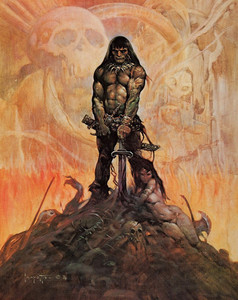
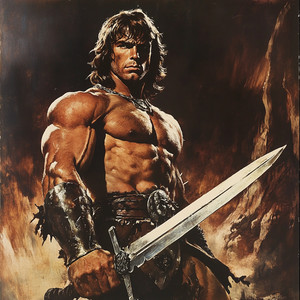
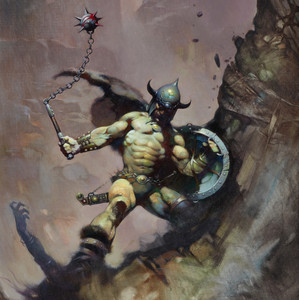
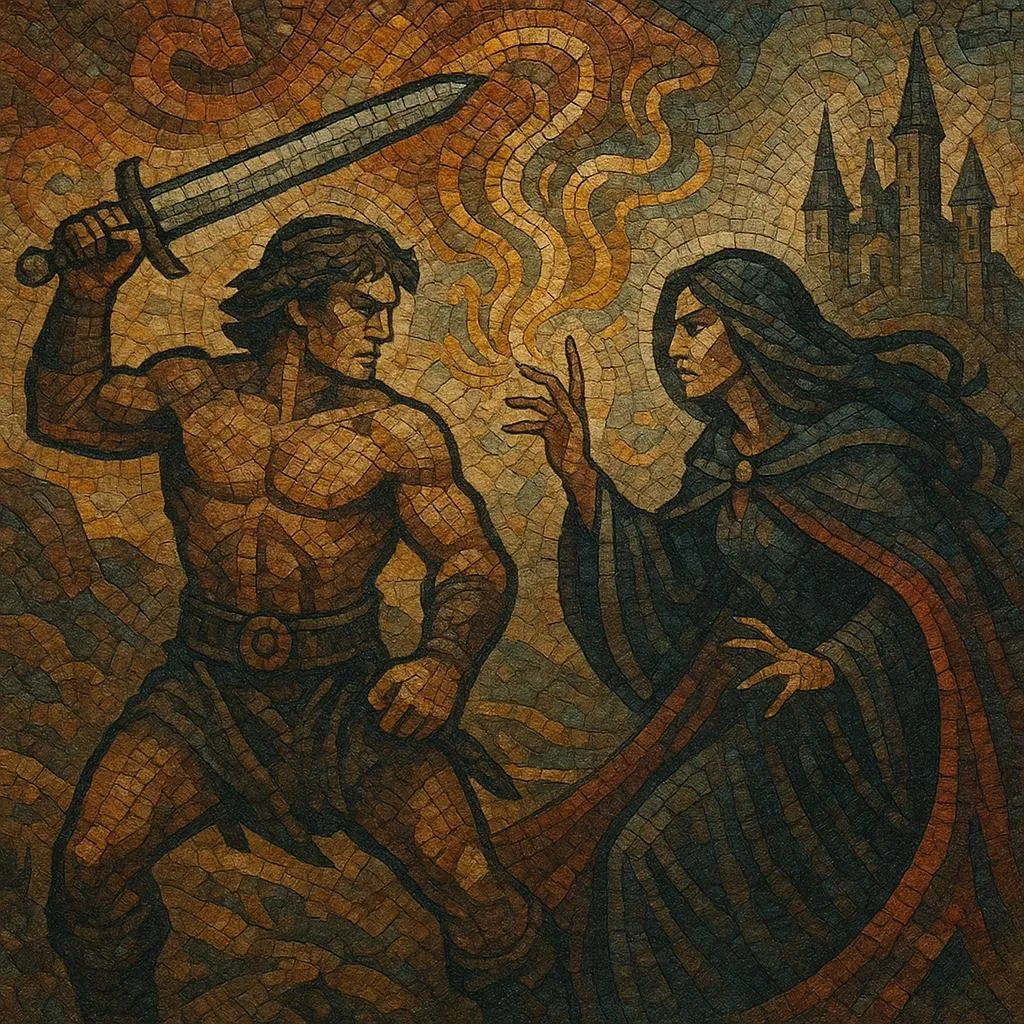
Sword and sorcery (as a music tag) denotes works that evoke pulp‑fantasy adventure: medieval weapon‑wielding heroes, exotic lands, and an unmistakable element of magic.
Musically it straddles two adjoining worlds. One is cinematic and orchestral—thunderous low brass, pounding war drums, choirs, and modal melodies that conjure antiquity. The other is metal and folk‑derived—galloping power‑metal riffs, epic heavy‑metal grandeur, and occasional use of traditional instruments or medieval/folk modalities.
Listeners will encounter film and game scores, symphonic and power metal, epic/doom offshoots, and dungeon‑synth atmospheres. What unites them is narrative intent: music that sounds like steel meeting sorcery.
History
Sword‑and‑sorcery fiction crystallized in the 1930s pulps (e.g., Robert E. Howard’s Conan), but its musical DNA drew from much older sources: medieval and Renaissance modalities, plainchant, folk traditions, and the 19th–20th‑century symphonic language later repurposed by cinema.
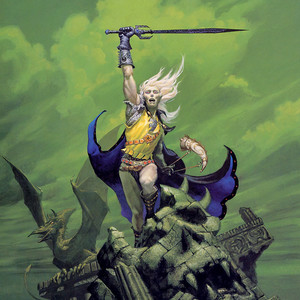
The genre took musical shape in the 1980s as fantasy cinema surged. Basil Poledouris’s muscular, modal score for Conan the Barbarian (1982) set the tonal template: pounding percussion, bronze‑clad brass, and choral mystique. In parallel, American epic heavy metal (Manowar, Manilla Road, Cirith Ungol) staged mythic narratives with galloping riffs and heroic choruses—audio counterparts to swords‑and‑spells imagery.
Across Europe, symphonic/power metal (e.g., Rhapsody/Rhapsody of Fire) elevated fantasy storytelling with neoclassical guitar work, operatic vocals, and orchestral/choral layers. In more subterranean spaces, dungeon synth emerged from black‑metal circles, crafting lo‑fi, keyboard‑driven medieval atmospheres suited to tabletop quests and pixelated dungeons.
Large‑scale game and film franchises cemented an epic orchestral vernacular—ostinato strings, taiko‑style drums, and choir—that fed playlists labeled for questing and battle. Folk/pagan/viking and epic/black/doom offshoots doubled down on mythic themes, while composers and bands alike adopted narrative world‑building as a core practice.
“Sword and sorcery” remains a thematic umbrella rather than a single strict form: a listener‑facing tag spanning cinematic scores, symphonic/power/epic metal, dungeon synth, and medievalist dark ambient. What binds it is the promise of adventure—music that moves like a campaign through steel, spell, and saga.