Your digging level
Description
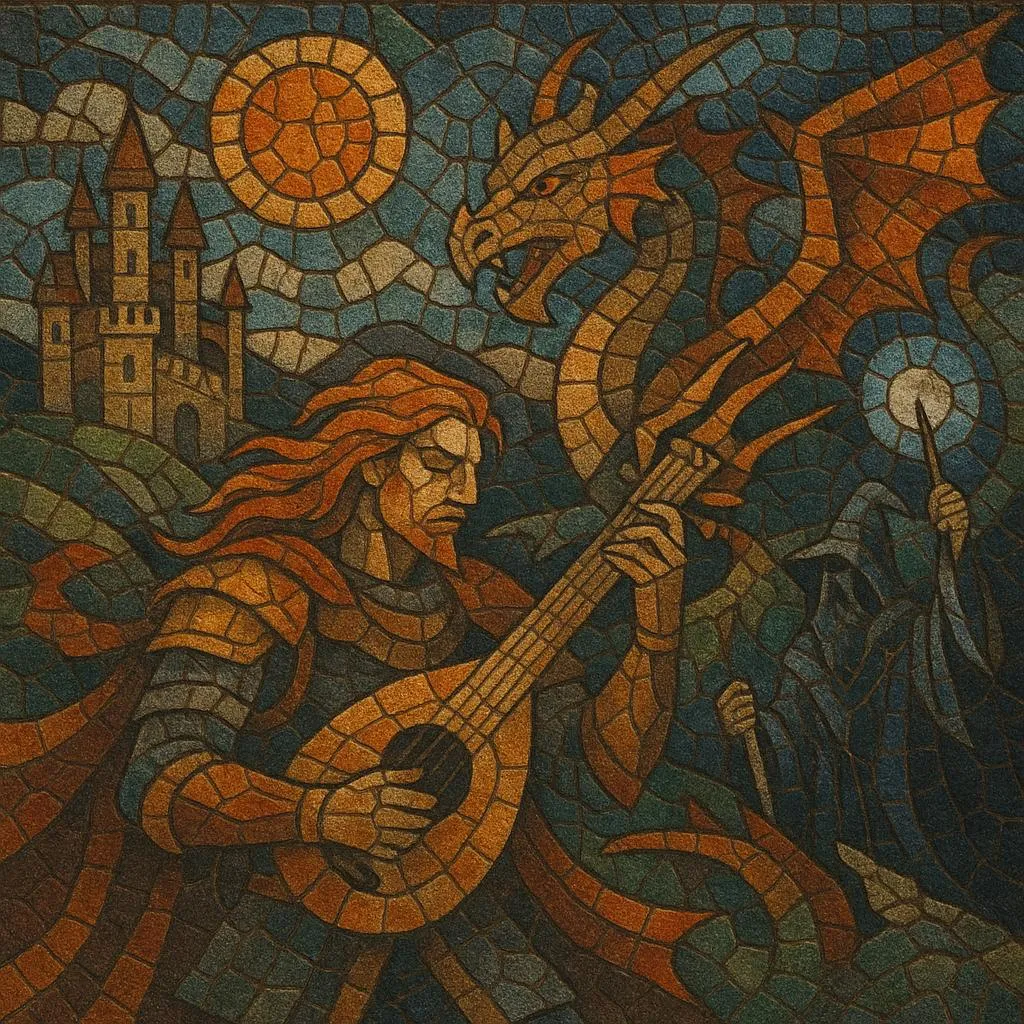
Fantasy metal is a metal style built around high-fantasy storytelling, mythic imagery, and a cinematic sense of adventure.
It commonly blends melodic heavy metal and power metal riffing with symphonic/folk elements (choirs, orchestration, traditional instruments) to evoke medieval, mythical, or “otherworldly” settings.
Songs often feature narrative lyrics about quests, battles, magic, ancient kingdoms, dragons, gods, or invented worlds, and the music emphasizes strong hooks, soaring vocal lines, and dramatic atmosphere.


History
Fantasy themes appear early in hard rock and heavy metal through lyrical inspiration from mythology and fantasy literature, alongside the rise of epic and theatrical songwriting in traditional heavy metal.
Fantasy metal coalesced as a recognizable approach during the 1990s, when European power metal and symphonic metal expanded toward cinematic orchestration and overt narrative worldbuilding. Bands increasingly used keyboards, choirs, and grand arrangements to match explicitly fantasy-driven concepts.
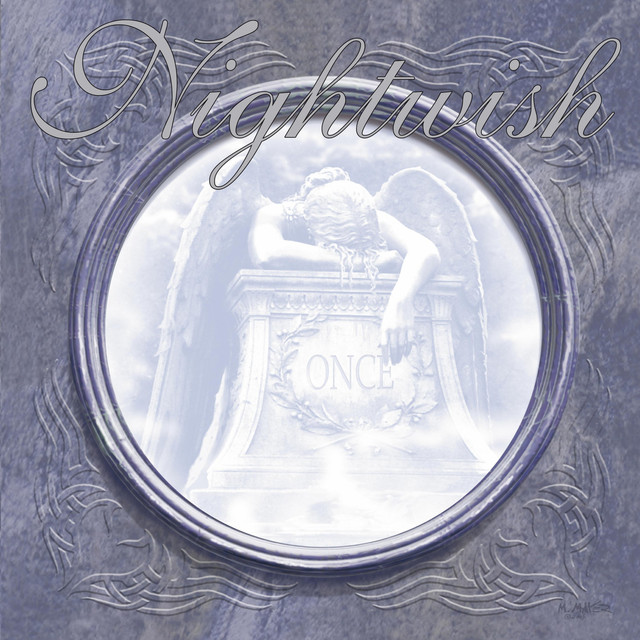
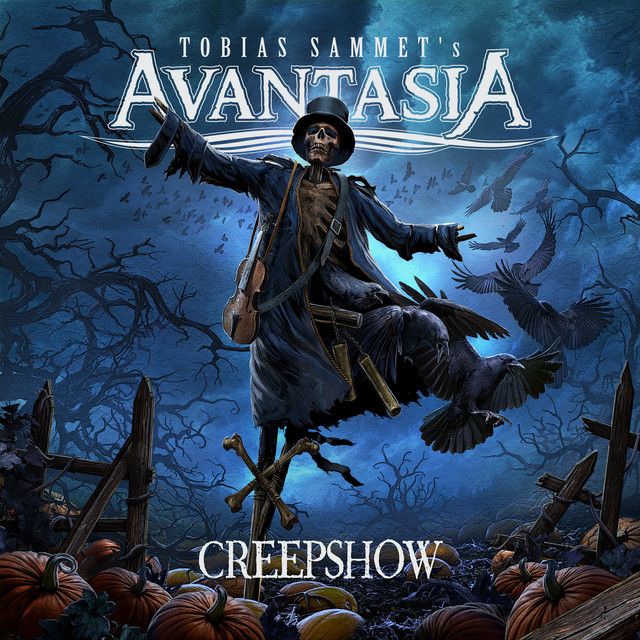
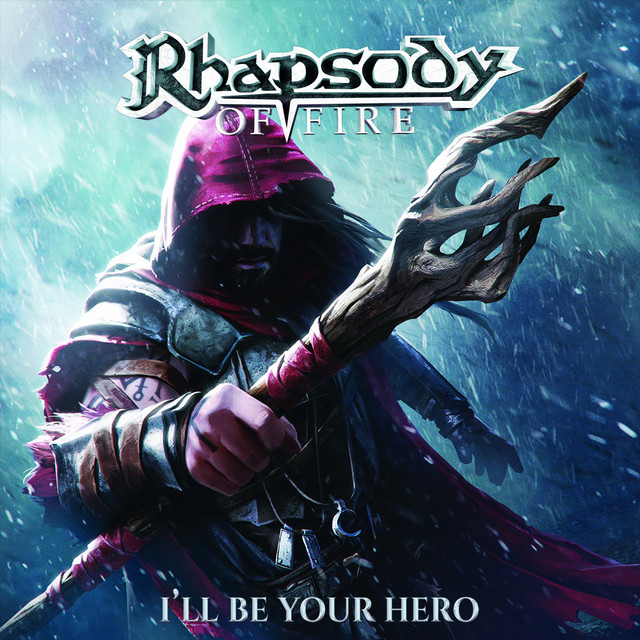
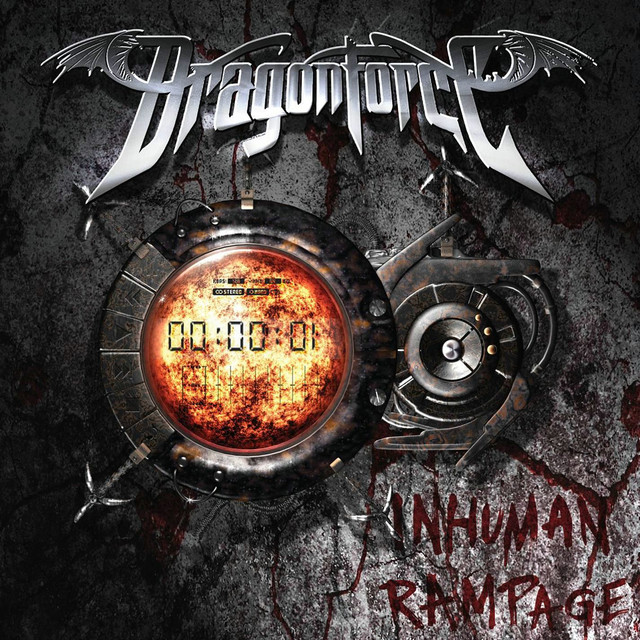
In the 2000s the style broadened and professionalized: albums leaned into concept narratives, visual aesthetics (costumes, cover art, stage lore), and hybridization with folk metal. Festival culture and online fandom strengthened the “scene” identity around fantasy imagery.
Fantasy metal continues as a cross-pollinating umbrella, spanning folk-leaning “medieval” flavors, highly symphonic/cinematic productions, and power-metal-centered heroic songwriting. The genre remains closely linked to fantasy fandoms, gaming culture, and cinematic orchestral production values.