Your digging level
Description
Nordic folk music is the umbrella of traditional and revival folk practices from the Nordic countries—Denmark, Finland, Iceland, Norway, and Sweden (often including Sámi traditions in the Nordic sphere). It encompasses dancing fiddle music, story-singing ballads, pastoral and herding calls, and distinctive regional vocal and instrumental idioms.
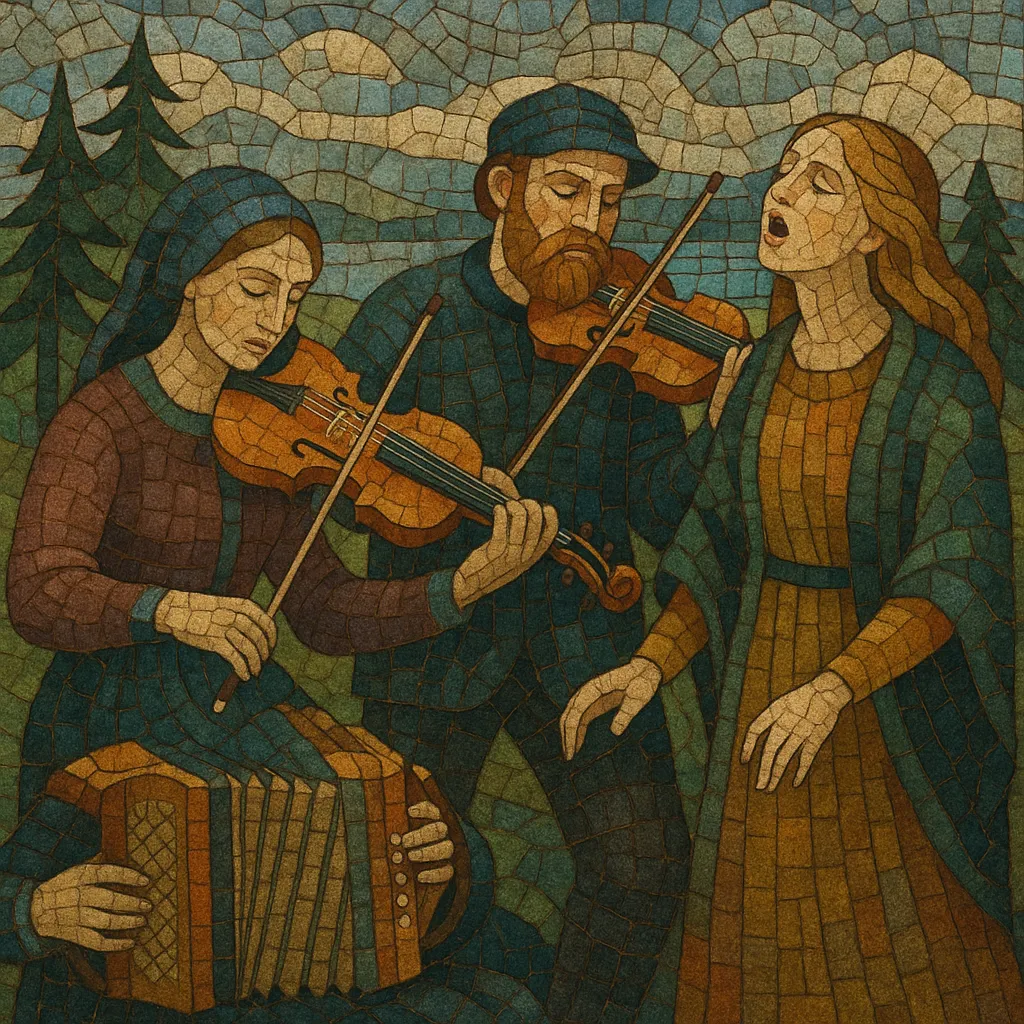
Characteristic instruments include the Swedish nyckelharpa (keyed fiddle), Norwegian Hardanger fiddle (hardingfele) with sympathetic strings and scordatura, Finnish kanteles (zither family) and jouhikko (bowed lyre), langeleik and hummel (dulcimer/board zither types), diatonic button accordion, frame and small drums, willow flute (seljefløyte), and wooden flutes and whistles. Common dance forms feature polska/springar (asymmetrical 3-beat), halling (athletic 2/4 solo dance), pols, reinlender, schottis, hambo, and more.
Modal melodies (often Dorian, Mixolydian, and Aeolian), drones and double-stops, regional bowing patterns, and lilting microtiming define the style. Vocal traditions range from Swedish kulning (powerful open-air herding calls) and Icelandic rímur (epic chant) to Norwegian kveding and Finnish rune-singing. The modern scene mixes deep regional repertoire with contemporary arrangements, folk-jazz, and crossover projects while keeping dance and communal music-making at its core.
History
Nordic folk music formed over centuries of rural life, herding, and village festivities across Denmark, Finland, Iceland, Norway, and Sweden. It grew from local dance culture (polska/pols, halling, reinlender, schottis), ballad singing (visa, kveding), and pastoral calling (notably Swedish kulning), alongside distinctive instrumental lineages like the Hardanger fiddle in western Norway and the nyckelharpa in eastern Sweden. Sámi joik contributed a unique vocal-poetic current within the broader Nordic soundscape.
During the 1800s, national romantic movements spurred scholars and musicians to collect tunes and songs, codifying what we now recognize as "Nordic folk music." Field collectors and fiddler gatherings preserved regional styles, tunings (e.g., Hardanger scordatura), and repertoires, while printed collections and early notations helped stabilize dance forms and ballads amid rapid social change.
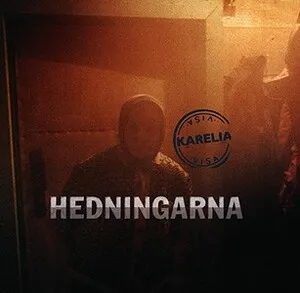
A pan-European folk revival galvanized the Nordic region. Community spelmanslag (fiddlers’ ensembles) and dance associations flourished; archives and competitions elevated tradition-bearers; and touring artists brought the music abroad. New ensembles—often blending fiddle traditions with nyckelharpa, kantele, and accordion—professionalized the scene. From the late 1980s into the 1990s, groups like Väsen, Hedningarna, Garmarna, and Värttinä popularized vigorous, modern arrangements and studio craft without losing regional identity.
In the 2000s and 2010s, Nordic folk expanded through collaborations with jazz, classical, ambient, and metal scenes, and through festival circuits and conservatory programs. The music’s asymmetrical 3-beat grooves (e.g., polska/springar), modal color, and drones inspired neofolk and "viking" aesthetics in rock/metal, as well as folk-jazz fusions. Simultaneously, tradition-focused musicians continue to teach dance-centric playing and maintain local variants.