Your digging level
Description
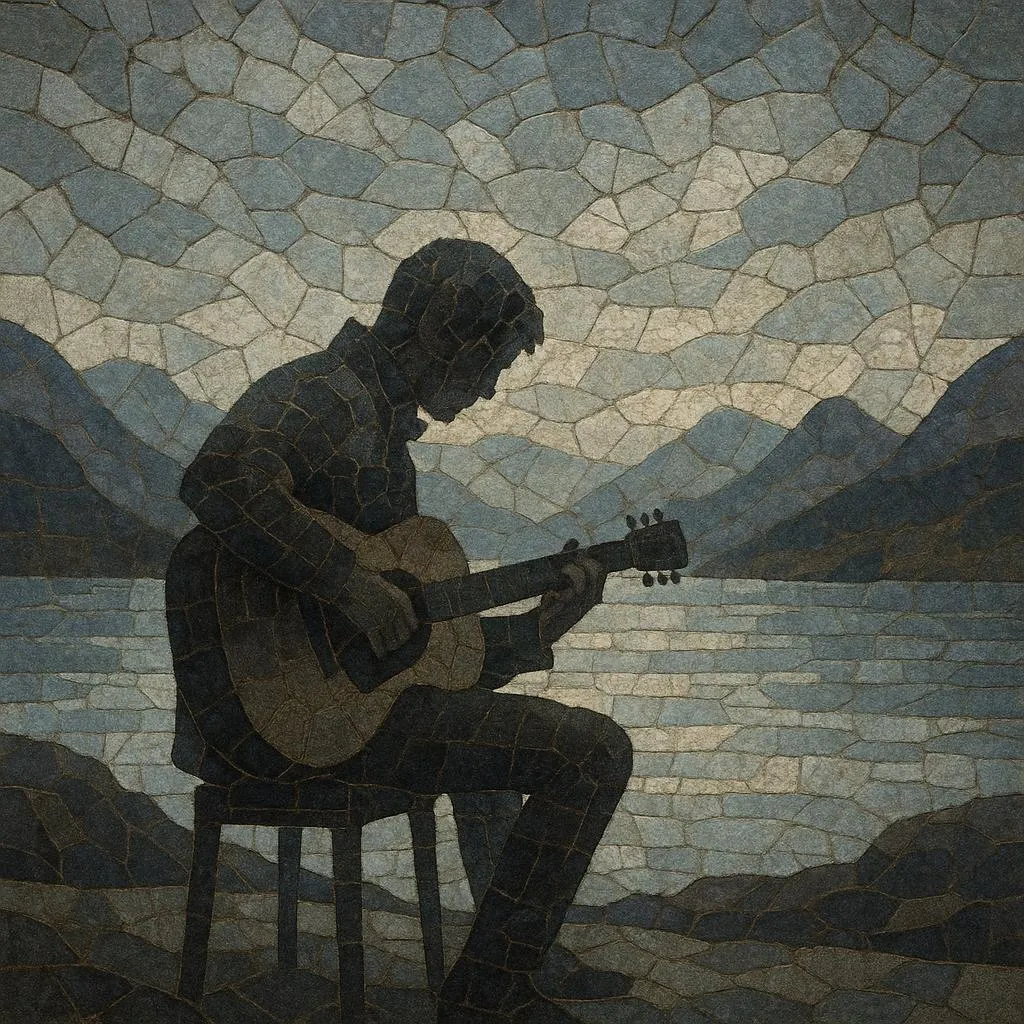
Nordic post-rock is a regional strain of post-rock that blends expansive, glacial soundscapes with an ear for melody and space often associated with Nordic aesthetics. It favors long-form crescendos, diaphanous textures, and a cinematic sense of scale, evoking images of open skies, fjords, and winter light.
Typical hallmarks include clean, delay- and reverb-rich guitars, bowed or eBowed textures, slowly unfolding harmonic progressions, and wide dynamic arcs that move from intimate hush to towering climaxes. Strings, brass, piano, and subtle electronics frequently complement the guitar core, while vocals—if present—tend toward wordless tones or vowel-led syllables that function like another instrument. Compared with many Anglo-American scenes, the Nordic approach leans more toward minimalism, modal harmony, and pastoral or melancholic atmospheres.
History
Nordic post-rock coalesced in the late 1990s, drawing on the global post-rock breakthroughs of the decade while channeling distinctly Nordic sensibilities—spacious production, understated melodicism, and a reflective, nature-attuned mood. Iceland played an outsized role in shaping the regional identity, while Sweden and Norway began fostering bands that favored long crescendos, clean-toned guitars, and classical-adjacent textures.
Throughout the 2000s, Sweden, Denmark, Norway, Finland, and Iceland saw the rise of dedicated ensembles and small labels, with regular appearances at regional festivals and European circuits. Bands incorporated classical instrumentation (strings, brass, piano) and subtle electronics, producing a sound often described as “glacial” or “cinematic.” The period also saw increased studio craft—room mics, natural reverbs, and layered guitar delays—to achieve the region’s characteristic sense of width and altitude.
Streaming platforms and film/TV syncs brought wider visibility, nudging the style toward a more overtly cinematic idiom. Nordic acts frequently collaborated with classical players and explored post-minimalist writing, blurring lines between post-rock, modern classical, and ambient composition. The result was a polished yet emotionally restrained sound, equally at home in concert halls, clubs, and screen scores.
Today, Nordic post-rock is both an identifiable aesthetic and a fluid practice. New artists balance the classic slow-build crescendo with textural experimentation, electronic sound design, and folk inflections. While the core tropes—patient pacing, modal harmony, and vast dynamics—remain intact, the scene spans everything from intimate chamber-post hybrids to widescreen, festival-ready epics.