Your digging level

For this genre
0/8
🏆
Sign in, then listen to this genre to level up

Description

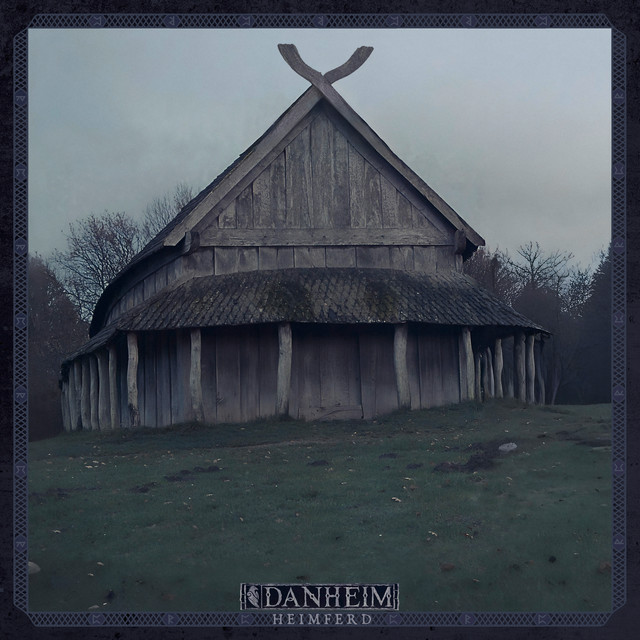
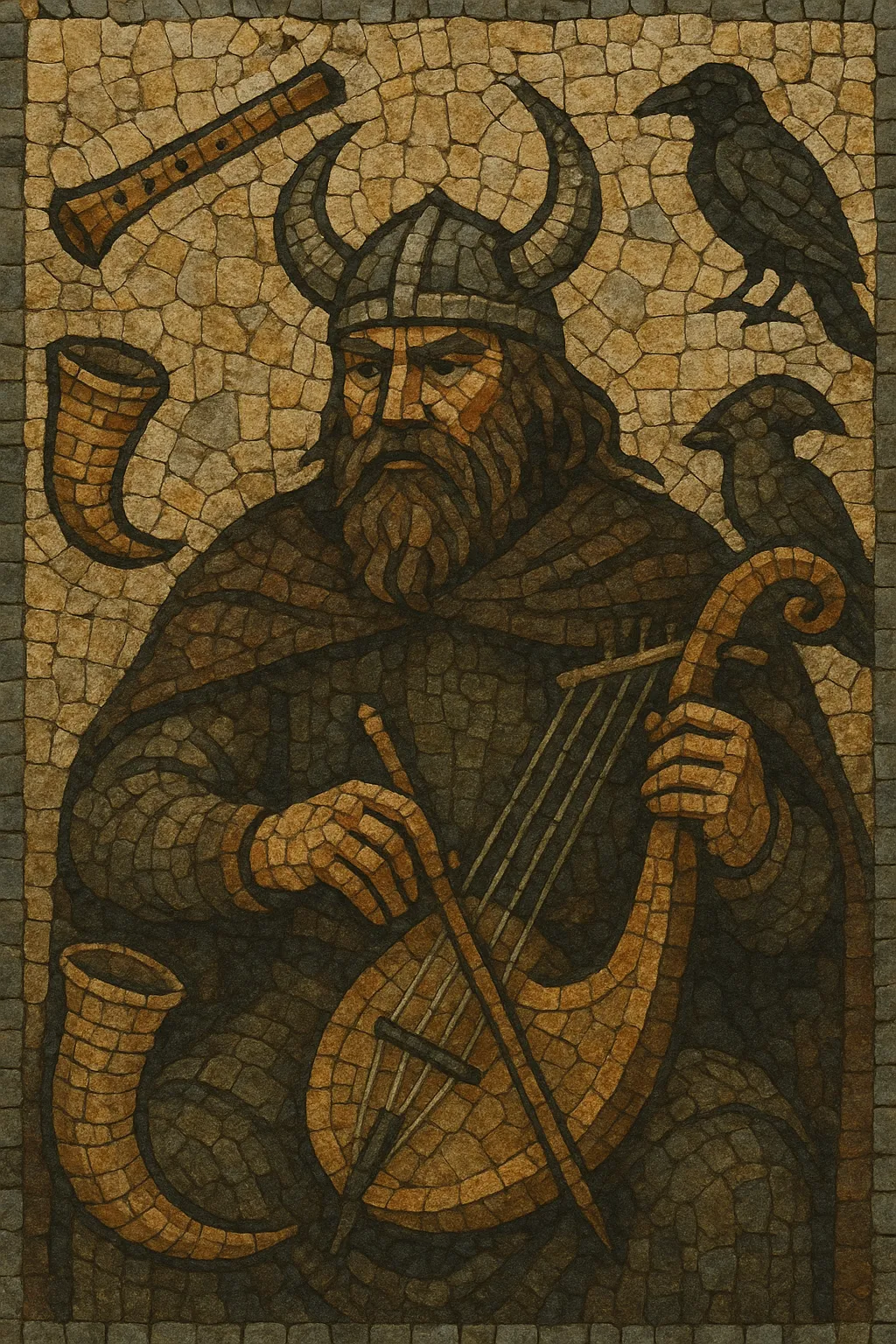
Viking folk is a modern folk style that seeks to evoke the sound-world, poetics, and ritual atmosphere of pre-Christian Scandinavia. Rather than being a direct reproduction of Viking Age music (which was not notated), it blends reconstructed instruments, runic and skaldic-inspired vocals, and nature-centered sound design to create an immersive, archaic aesthetic.

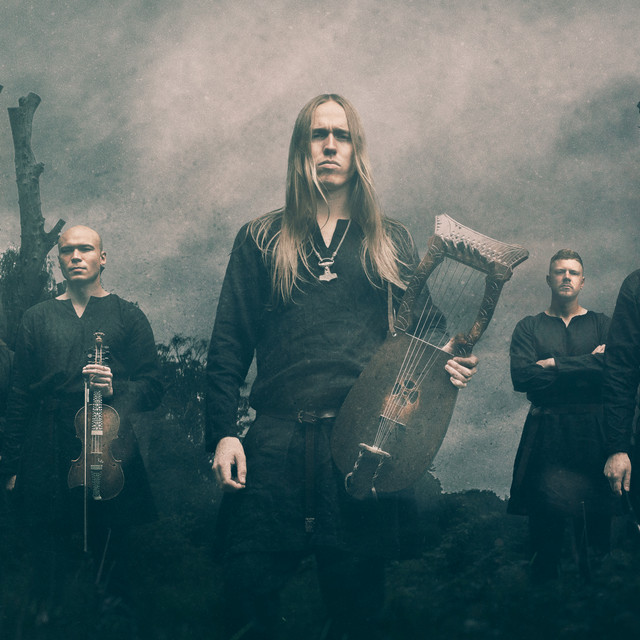
Typical features include low, earthy frame-drum pulses; droning lyres and bowed tagelharpa; animal horns and wooden flutes; layered choral chants; and field recordings (wind, fire, water, antlers, bone). Lyrics often use Old Norse, Proto-Norse, modern Scandinavian languages, or reconstructed phonetics, with themes drawn from mythology, animism, and the cycles of nature. Production favors organic spaces, long reverbs, and ritual build-ups that move from intimate murmurs to communal, trance-like climaxes.


Sources: Spotify, Wikipedia, Discogs, Rate Your Music, MusicBrainz, and other online sources

History

Early roots and reconstruction

Although the Viking Age left no written musical notation, 20th‑century scholarship on instruments, runic poetry, and oral traditions in Scandinavia informed a growing fascination with pre-Christian sound. In the 1990s and early 2000s, the neofolk and pagan folk scenes normalized the use of hand drums, lyres, and ritualistic vocals, laying groundwork for a distinctly "Viking" folk aesthetic.

2000s: Defining the sound

The 2000s saw dedicated projects adopt reconstructed instruments (tagelharpa/jouhikko, kravik lyre, bukkehorn) and runic/Skaldic-inspired texts. Artists emphasized trance-like percussion, drones, and communal chants, presenting the music as living ritual rather than museum-piece reenactment. This period established the genre’s sonic vocabulary and its emphasis on immersive, site-specific recording.

2010s: Global visibility and media

In the 2010s, the genre achieved global recognition through high-impact performances and placements in film/TV/game soundtracks. The success of series like "Vikings" and a wave of live shows—often staged with antlers, bones, torches, and circle-drumming—projected the style to wide audiences. Festivals and experimental labels helped solidify an international network of practitioners from Scandinavia and beyond.

2020s: Consolidation and cross-pollination

The sound matured into a recognizable international movement: Scandinavian groups remained central, while artists from continental Europe and elsewhere contributed local inflections. Collaboration with sound designers and early-music instrument makers broadened timbres, while the scene continued to balance historical inspiration with creative invention.

Ongoing debates

Because Viking Age music is largely inferential, practitioners openly navigate between archaeology, scholarship, and artistic interpretation. This tension—between authenticity claims and creative license—remains a defining and productive feature of the genre.

How to make a track in this genre

Instruments and timbre
•   Use frame drums (goat- or deer-skin), shamanic drums, tabor-like hits, and low hand percussion for a heartbeat foundation. •   Add drones and ostinati with tagelharpa/jouhikko, kravik lyre, bowed lyre, or hummel; reinforce with monochord or hurdy-gurdy when appropriate. •   Color with bukkehorn, lur, bone flutes, willow flutes, and simple wooden whistles; occasional throat-style textures and breath/noise layers deepen the ritual feel. •   Capture natural ambiences (wind, water, fire, footfalls, antler clacks) and record in reverberant spaces (stone rooms, forests) to create spatial depth.
Rhythm and form
•   Favor slow to mid tempos (≈ 60–100 BPM) with repetitive, trance-inducing drum patterns; use call-and-response and cumulative layering. •   Employ uneven phrase lengths or shifting accents within 3/4, 6/8, or free-meter passages to feel organic and processional. •   Build arcs via gradual instrument addition, vocal stacks, and dynamic swells—start intimate, culminate in communal chant.
Harmony, melody, and modes
•   Keep harmony sparse: pedal drones and open fifths; avoid dense chord progressions. •   Use modal melodies (Aeolian, Dorian, sometimes Phrygian), limited ranges, and chant-like contour; lean into micro-ornamentation and glides. •   Sustain notes with voice/instruments over drones; interlock simple melodic cells across parts.
Voice and text
•   Layer unison or parallel-interval chanting; alternate solo incantation with group refrains. •   Write texts drawing on myth, nature, and ritual action; employ Old Norse/Proto-Norse phrases, modern Scandinavian, or phonetic reconstructions. •   Utilize percussive vocalizations, ululations, and breath to punctuate transitions.
Production and arrangement
•   Emphasize organic recording: minimal editing, prominent room tails, tactile close-mics on skins and strings. •   Use saturation, convolution reverb (halls, caves), subtle low-end enhancement, and controlled high-frequency air. •   Arrange in layers (drone → pulse → chant → countermelody → crowd/ritual textures) and allow sections to evolve slowly to preserve the ceremonial mood.

Main artists

Top tracks

Locked
Share your favorite track to unlock other users’ top tracks
Influenced by
Has influenced
Challenges
Digger Battle
Let's see who can find the best track in this genre
© 2026 Melodigging
Melodding was created as a tribute to Every Noise at Once, which inspired us to help curious minds keep digging into music's ever-evolving genres.
Buy me a coffee for Melodigging