Your digging level
Description
Icelandic traditional music encompasses a set of orally transmitted practices that formed on the island from the medieval period onward. Its core features include rímur (long narrative song cycles chanted to fixed melodic patterns), kvæðalög (strophic song melodies), tvísöngur (parallel fifths/organum-style part-singing), and sacred hymnody rooted in medieval chant. The melodic language is typically modal (often Dorian or Mixolydian), narrow in range, and ornamented with subtle, speech-like inflections.
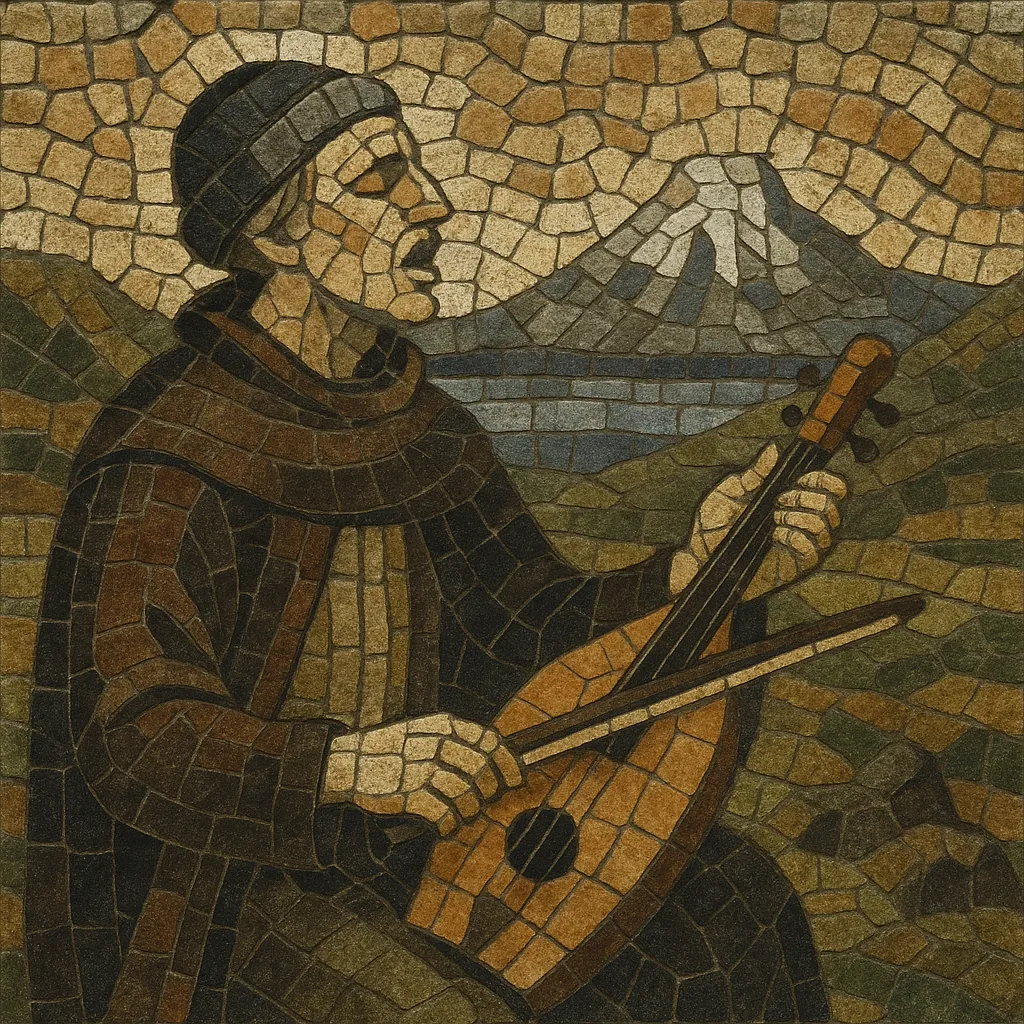
Instrumentation historically centers on the human voice, sometimes supported by indigenous instruments such as the langspil (a bowed/plucked zither) and the fiðla (bowed fiddle/violin). Dance-associated repertoire includes vikivaki circle-dances. Texts draw on saga narratives, nature, and devotional poetry, retaining alliterative structures and kennings from Old Norse poetics while later absorbing end-rhymed stanza forms distinctive to rímur.
History
Icelandic traditional music grows out of the island’s settlement-era Norse culture and medieval religious life. The earliest layers are connected to monophonic chant brought via the Church (plainchant/Gregorian traditions) and to secular narrative recitation that later crystallized into rímur. Oral transmission ensured continuity despite geographic isolation and sparse population.
By the 14th–17th centuries, rímur cycles—epic, stanzaic poems sung or chanted to recurring melodic formulae—were widely cultivated across the island. In parallel, tvísöngur, a locally distinctive parallel-fifths style (a type of organum), marked communal and domestic singing. Rural work- and seafaring-life imprinted the repertory with functional genres (lullabies, work songs, dance tunes, and devotional singing), while the langspil and fiðla provided sparse accompaniment.
Romantic nationalism and antiquarian interest spurred collection of rímur, kvæði, and sacred song by scholars and tradition-bearers. Although urbanization and new popular styles reduced everyday use, community choirs and folk enthusiasts kept practices alive. Associations like Kvæðamannafélagið Iðunn sustained rímur performance, while hymn-singing and school music embedded older melodies into public life.
From the late 20th century, performers and ensembles revived langspil playing, rímur chanting, and vikivaki dance repertory in concerts and recordings. Collaborations with classical, folk-rock, and ambient/experimental artists broadened visibility without severing ties to oral aesthetics. Today, Icelandic traditional music thrives in festivals, museums, choirs, and family settings, informing modern Icelandic folk, art music, and even Nordic-themed contemporary genres.