Your digging level
Description
Icelandic folk is the traditional music of Iceland, rooted in medieval narrative song, austere modal melodies, and a distinctive vocal practice shaped by isolation and the Icelandic language.
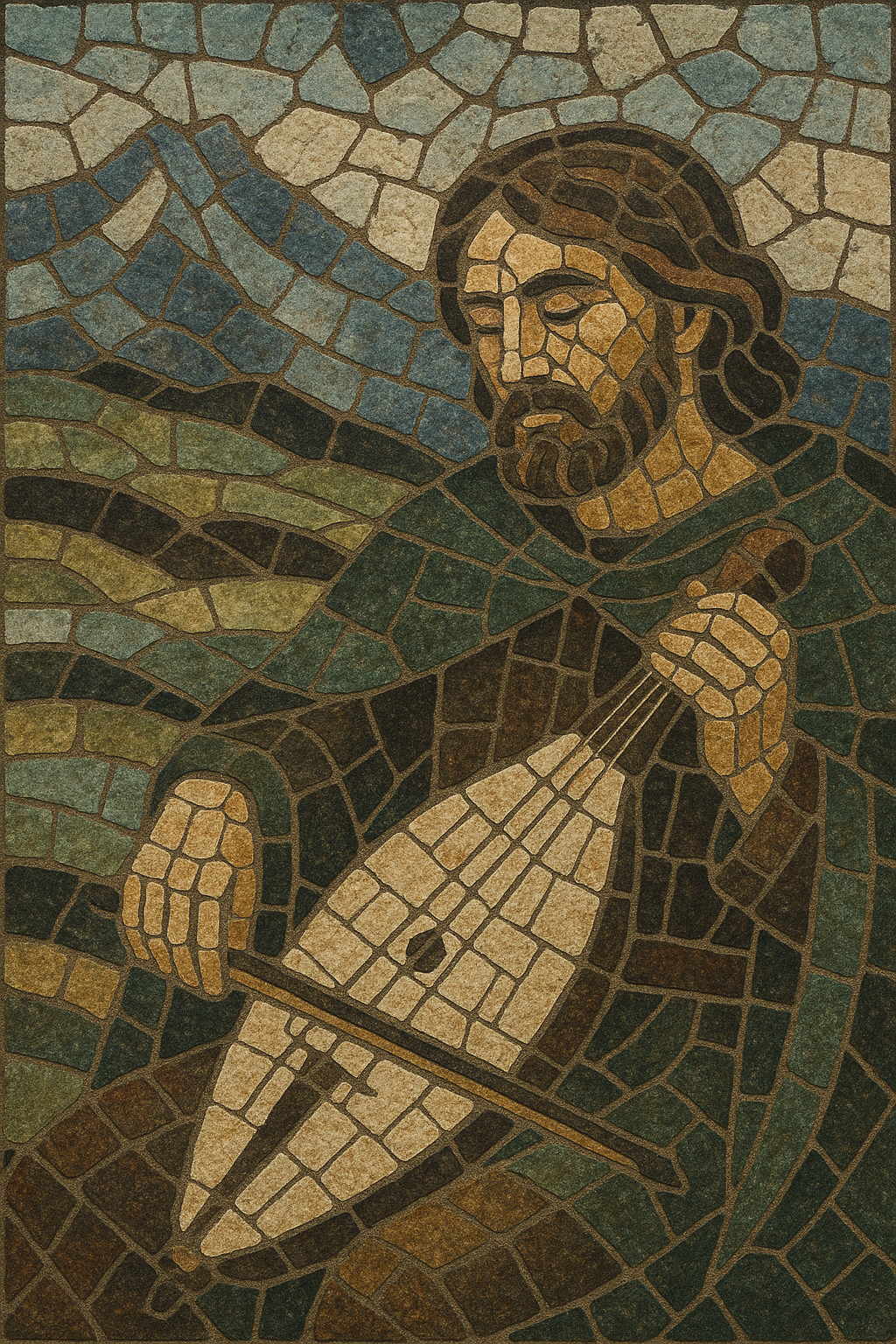
Its core includes rímur (long-form epic chanting derived from medieval verse), kvæðalög (traditional melodies for poems), and tvísöngur (parallel-part singing often moving in perfect fourths and fifths). Accompaniment is sparse, historically featuring the langspil (a bowed zither) and local fiddles, with later additions like harmonium or guitar. The sound is intimate, text-led, and often modal (Dorian and Mixolydian are common), reflecting the island’s landscape, sagas, and everyday life.
Sources: Spotify, Wikipedia, Discogs, Rate Your Music, MusicBrainz, and other online sources
History
Icelandic folk traces back to the medieval period, when Norse settlers brought vernacular song, ballads, and poetic traditions that evolved into local practices. The epic, stanzaic rímur chant emerged as a hallmark, binding skaldic poetic inheritance to orally transmitted melodies. Early Icelanders adapted sacred and secular European currents—especially plainchant and later Lutheran hymnody—into an austere, text-forward idiom.
For centuries, music-making centered on households and community gatherings. Tvísöngur (two-part parallel singing) became a local signature, with characteristic open intervals (fourths and fifths) and flexible rhythm that served narrative verse. The langspil and local fiddles accompanied kvæðalög (poem-melodies), while work songs and children’s songs reinforced communal memory.
Romantic-era interest in national heritage led clergy, scholars, and musicians to notate rímur, dance tunes, and hymns. The rise of schools, choirs, and print culture stabilized variants, while recording technology in the 20th century preserved venerable rímur chanters. Parallel European folk-revival currents encouraged new arrangements for harmonium, guitar, and choral forces without abandoning the tradition’s modal core and text primacy.
From the late 20th century onward, singers and ensembles revitalized rímur and kvæðalög on stage and record. Folk artists collaborated with classical, ambient, and indie scenes; traditional meters and modes appeared alongside new instrumentation. The result is a living tradition that informs modern Icelandic indie and pop, and even resonates with broader Nordic and viking-themed folk and metal aesthetics.