Your digging level
Description
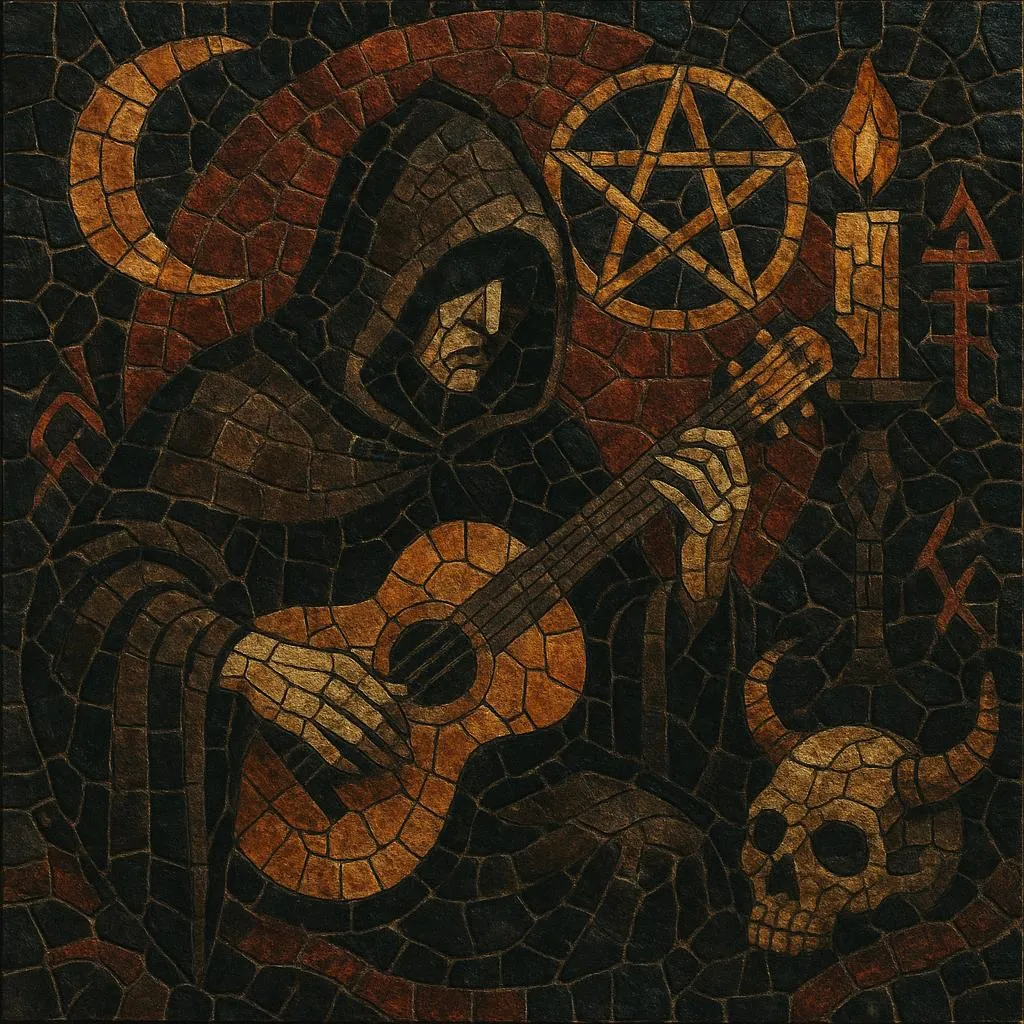
Occult music is an umbrella term for music created to accompany, evoke, or symbolically engage with esoteric traditions, ritual practice, and mystical worldviews. Rather than denoting a single sound, it describes a set of aesthetic and thematic priorities: trance-inducing repetition, ritualized performance, archaic timbres, sacred or pseudo-sacred vocal delivery, and texts drawn from grimoires, hermetic writings, folk magic, and pagan revivalism.
The style spans multiple scenes and eras—from fin‑de‑siècle European esotericism and early 20th‑century mystical modernism to 1960s–70s occult rock and the post‑industrial/ritual ambient currents of the 1980s–90s—continuing today in dark folk, drone/doom, and neo‑pagan ritual performance. What unifies these strands is the use of sound as a vehicle for altered consciousness, mythic storytelling, and the dramaturgy of the sacred or forbidden.
History
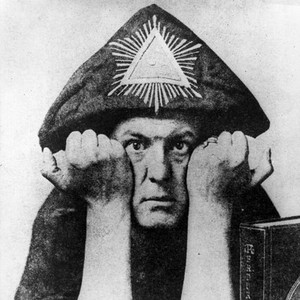
Fin‑de‑siècle Europe saw an occult revival (Theosophy, Hermetic Order of the Golden Dawn) that reframed art as a path to gnosis. Composers and performers experimented with mystical aesthetics and synesthetic ideas. The period fostered the notion of music as ritual action, drawing on ancient and medieval chant, folk incantation, and non‑Western modal color to suggest hidden knowledge and altered states.
By the mid‑20th century, esoteric symbolism entered popular culture. Beat and psychedelic circles explored magic, trance, and the paranormal. The late 1960s–70s brought “occult rock” (e.g., Coven; Black Sabbath’s doomy atmospheres), fusing minor‑key riffs, ceremonial imagery, and lyrics referencing witchcraft and ceremonial magic. This era crystallized the theatrical ritual on stage and seeded later dark underground movements.
From the post‑industrial matrix emerged artists who made sound the ritual itself. Coil, Psychic TV, Current 93 and kindred projects treated studios as temples, using tape loops, drones, incantation, found sound, and archaic instruments. Parallel currents—neofolk, dark ambient, and explicitly ritual projects (e.g., Zero Kama)—borrowed chant, hand percussion, and liturgical pacing to engineer trance and liminality. The performance frame often included altar‑like staging, sigils, runes, and syncretic references to hermeticism, tantra, folk magic, and shamanic practice.
The vocabulary persists across drone/doom (e.g., Sunn O))), ceremonial drones and robes), Nordic ritual folk (Wardruna, Heilung), and hybrid dark folk/metal/ambient scenes. Digital tools expanded the palette (granular drones, convolution reverb in vast cathedrals of sound), while live shows amplify the theatrical/ritual dimension with costuming, circle formations, and communal chant. Occult music now functions both as a container for spiritual/neo‑pagan practice and as an aesthetic for evocative, mythic, and transgressive art across genres.