Your digging level

For this genre
0/8
🏆
Sign in, then listen to this genre to level up

Description

Witch house is an occult‑themed, nocturnal strain of dark electronic music that emerged in the late 2000s and early 2010s. It blends slow, hip hop–derived drum programming with droning, dense synthesizers, layered bass, and high‑pitched or detuned keyboard motifs.

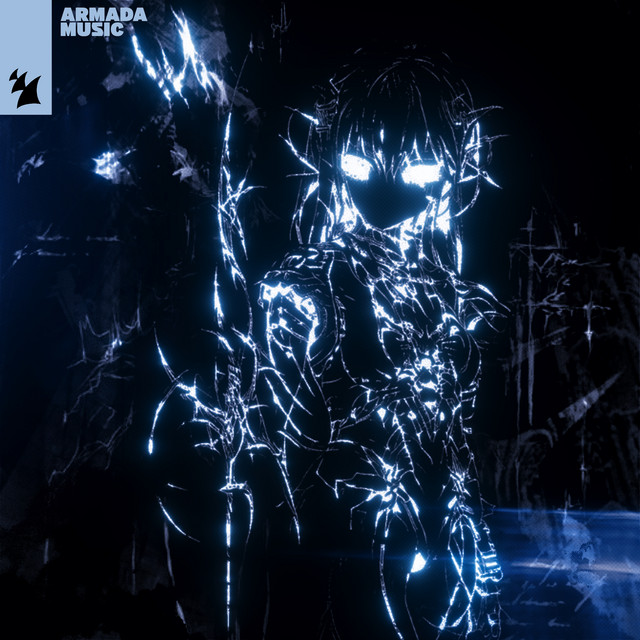
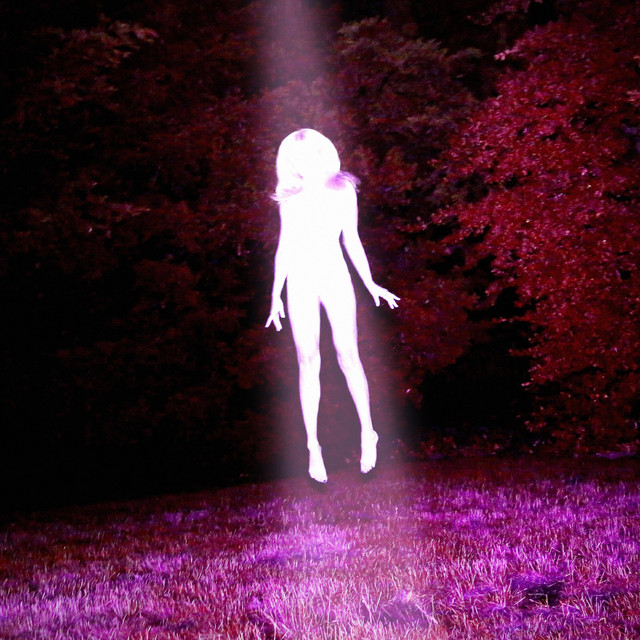
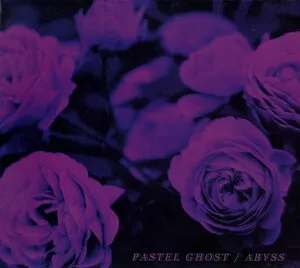
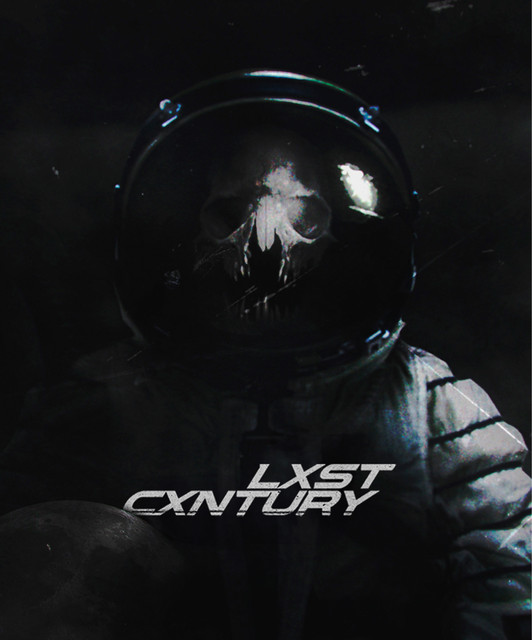
The style is defined by heavily processed, often indiscernible vocals, obscure or horror‑leaning samples, and a hazy, lo‑fi atmosphere. Aesthetically it draws on goth and horror iconography—triangles, Unicode symbols, VHS decay—and favors a murky, ritualistic mood over club‑ready shine.


Sources: Spotify, Wikipedia, Discogs, Rate Your Music, MusicBrainz, and other online sources

History

Origins (late 2000s)

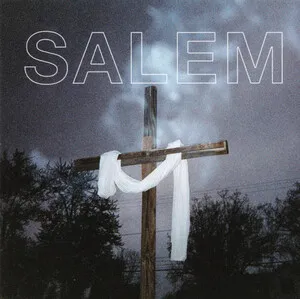
Witch house coalesced online in the late 2000s, largely among U.S. DIY producers sharing tracks and imagery on blogs and file‑sharing platforms. Early touchstones included SALEM, White Ring, and oOoOO, who slowed hip hop drum patterns to a crawl, detuned synth pads into foggy drones, and treated vocals until they felt spectral and half‑remembered.

Aesthetics and Sound

Producers combined chopped‑and‑screwed techniques, trap‑style hi‑hats, and horrorcore/goth signifiers with shoegaze‑like haze and industrial/grime textures. The result emphasized atmosphere—dread, melancholy, and the uncanny—over virtuosity, with looped, mantra‑like motifs and saturated, cassette/VHS‑style degradation.

Scene, Symbols, and Visual Language (2010–2012)

As the sound spread through Bandcamp, SoundCloud, and Tumblr, a distinctive visual code emerged: monochrome palettes, occult glyphs (e.g., † and ▲), collage art, and retro horror typography. Labels and collectives circulated limited cassettes and 12"s, and blog coverage cemented the genre’s name and mythology.

Diffusion and Cross‑Pollination

By the early 2010s, the approach bled into adjacent micro‑scenes—dark R&B, ambient trap/vaportrap, and the internet‑born “wave” movement—while many first‑wave artists evolved toward cleaner, cinematic, or pop‑leaning directions. The core traits—slowed tempos, heavy vocal processing, and ritualistic atmosphere—remained a recognizable toolkit.

Legacy

Witch house’s lasting impact is as much aesthetic as musical: it normalized murky, horror‑informed textures in electronic and hip hop contexts and demonstrated how online micro‑communities can define a sound through shared mood, symbols, and DIY distribution.
How to make a track in this genre

Tempo and Rhythm
•   Work around 50–75 BPM (or a half‑time feel at 100–150 BPM). •   Use hip hop/trap drum kits: booming 808 kicks, snappy claps, sparse snares, skittering but restrained hi‑hats. Keep grooves draggy and hypnotic.
Sound Design and Texture
•   Build a bed of droning, detuned analog‑style pads and sub‑heavy, sustained bass. •   Add high‑pitched, glassy synth leads or bell/organ timbres for eerie motifs. •   Embrace saturation, tape/VHS noise, bit‑crush, reverb, and flutter to create a foggy, degraded atmosphere.
Harmony and Melody
•   Favor minor modes (Aeolian, Phrygian) and static, two‑ or three‑chord loops. •   Use pedal tones and parallel motion; keep melodies simple and chant‑like.
Vocals and Sampling
•   Record whispers or breathy phrases; render them otherworldly via heavy pitch‑shifting (up or down), formant manipulation, time‑stretching, and reverb. •   Sample horror film/dialogue, choral fragments, or vintage media; slow, reverse, and layer them subtly beneath the mix.
Arrangement and Form
•   Structure tracks as slow builds: introduce the drone, add drums/bass, then bring in vocal textures and a minimal hook. Use repetition to induce trance. •   Drop elements out for negative space; let tails and noise shape transitions.
Production Tips
•   Sidechain pads lightly to the kick for a breathing effect. •   Keep masters dark and dynamic (avoid over‑bright EQ); prioritize vibe over loudness. •   Tie the visuals to the sound: monochrome art, occult symbols, and distressed typography reinforce the aesthetic.

Top tracks

Locked
Share your favorite track to unlock other users’ top tracks
Influenced by
Has influenced
Challenges
Digger Battle
Let's see who can find the best track in this genre
© 2026 Melodigging
Melodding was created as a tribute to Every Noise at Once, which inspired us to help curious minds keep digging into music's ever-evolving genres.
Buy me a coffee for Melodigging