Your digging level
Description
Lilith is a mood-driven, internet-native microgenre that blends dark, feminine alternative pop with elements of trip hop, dream pop, witch house, and ethereal wave. It favors breathy or intimate vocals drenched in reverb, slow to mid-tempo grooves, spectral pads, and cinematic, minor-key harmonies that evoke occult, gothic, or mythic imagery.
The overall sound is bass-forward yet gauzy: sub-heavy 808s or dusty breakbeats sit under shimmering guitars, distant choirs, and textural synths. Lyrically, Lilith leans into vulnerability, power, hauntings, and desire—frequently framed through confessional writing and ritual or nocturnal symbolism. It’s less a scene tied to a single city than a streaming-era aesthetic, cohering through playlists and social media communities.
History
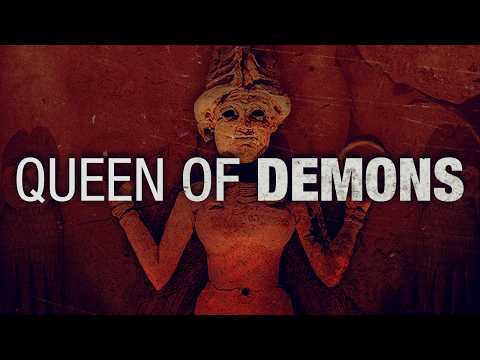
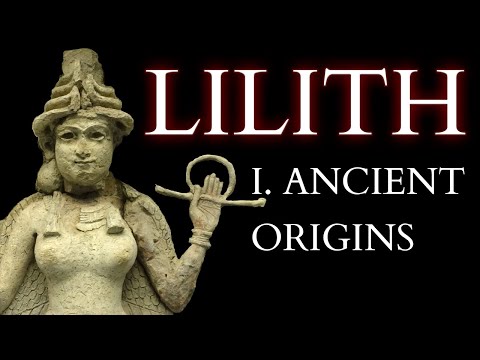
Lilith emerges out of the cross-pollination of dream pop, trip hop, witch house, and darkwave during the early streaming era. Tumblr-era visual culture, YouTube edits, and Bandcamp scenes helped normalize a darker, occult-adjacent, feminine aesthetic within alternative pop. Home studios and inexpensive plugins enabled lush, reverberant sound design outside traditional label systems.
By the late 2010s, the sound cohered around streaming playlists and algorithmic tags, where slow tempos, airy vocals, sub-bass, and ritual/gothic imagery became shared markers. Artists operating at the intersection of alt-pop, art pop, and leftfield R&B found a common space, and the term “Lilith” circulated as a shorthand for that atmosphere.
In the 2020s, TikTok, niche editorial playlists, and fan-curated mixes accelerated the style’s visibility. The palette broadened to include more cinematic strings, choir samples, and doom-folk guitars while retaining half-time grooves and intimate vocal production. Lilith’s influence seeped into alt-R&B and bedroom pop, and its visual lexicon—moonlit, witchy, confessional—became a recognizable microculture within mainstream alternative music.