Your digging level
Description
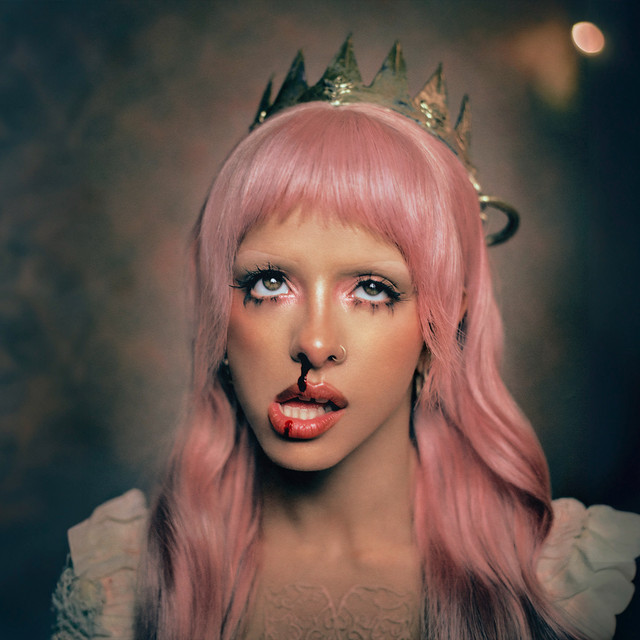
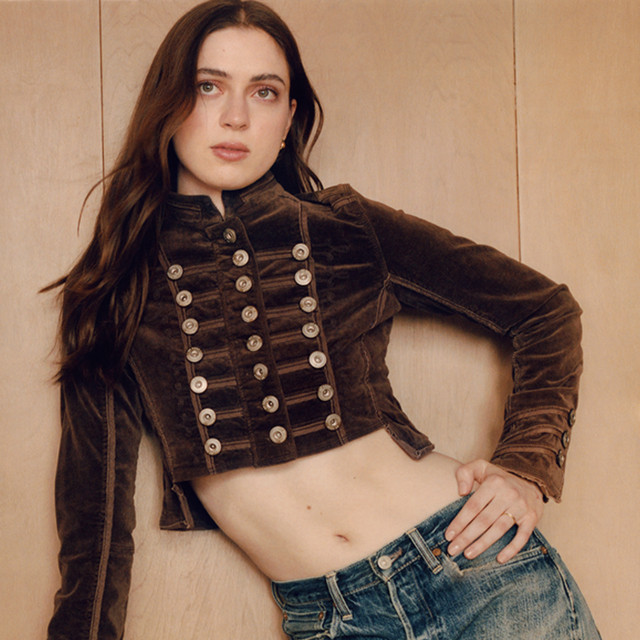
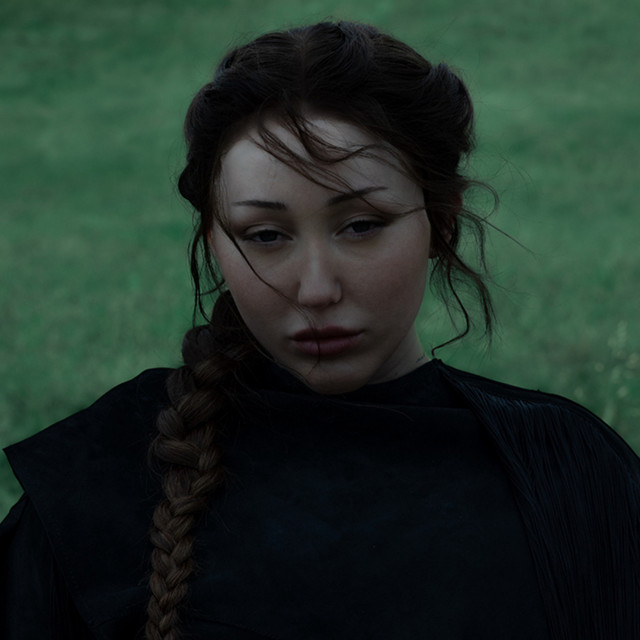
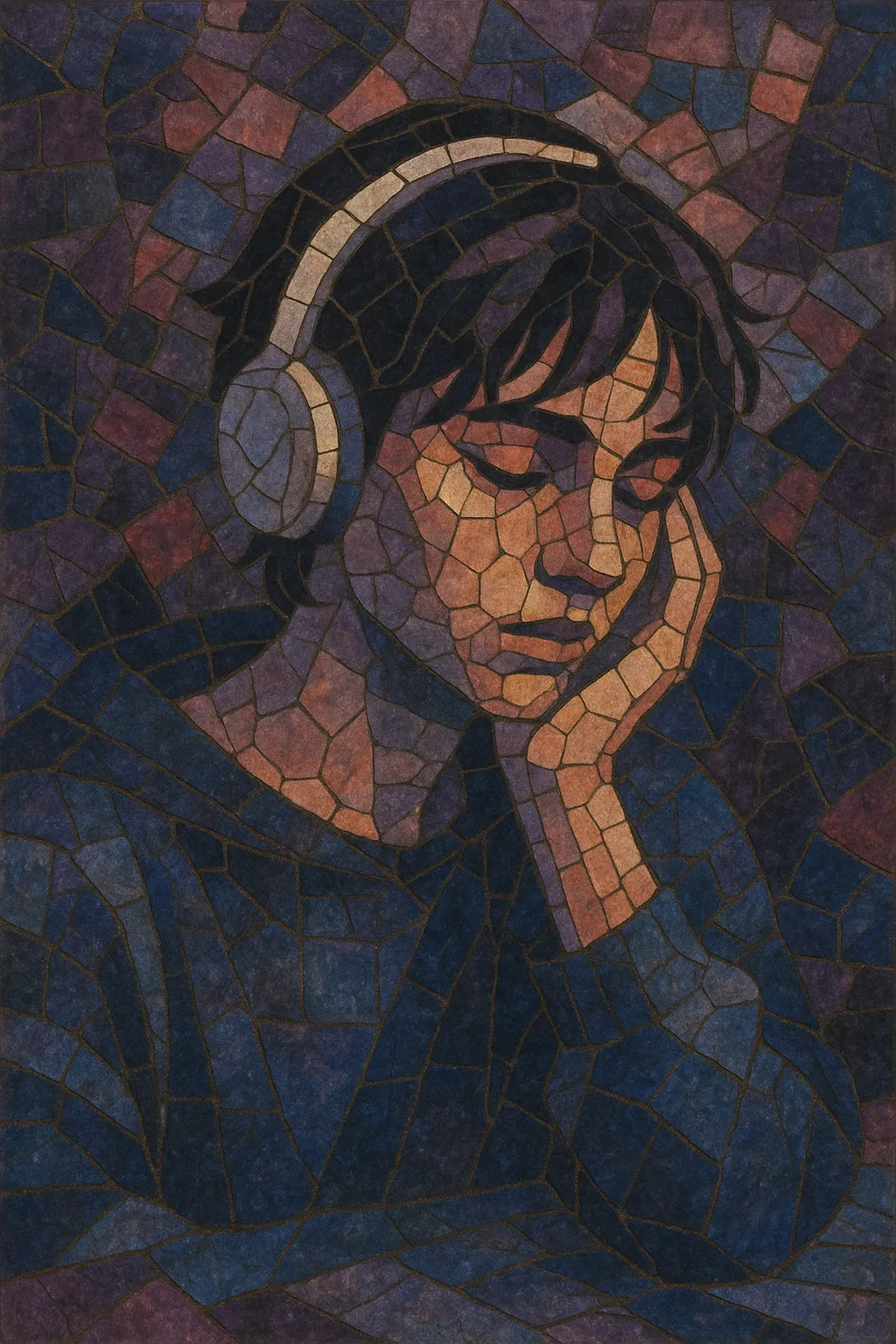
Alt Z is a streaming-era microgenre of alternative pop associated with Gen Z aesthetics: intimate vocals, moody atmospheres, and glossy-yet-lo-fi electronic production.
It fuses indie pop songwriting with electropop sheen, bedroom-pop intimacy, and soft trap/hip-hop inflected drums. The result is a polished but personal sound—breathy leads, subtle harmonies, textural synths, 808-style low end, and restrained guitar or piano motifs.
Lyrically, Alt Z tends to be introspective and diaristic, dealing with anxiety, identity, romance, and internet-age coming-of-age themes. It is less about scene-based bands and more about internet-native artists whose careers grew through playlists, algorithms, and social platforms.
History
Alt Z emerged as a mood-coded branch of alternative pop during the 2010s as streaming overtook downloads and radio. Bedroom-pop workflows (DAW-first production, affordable microphones, in-the-box mixing) enabled young artists to craft intimate, polished songs without traditional studio gatekeeping. Early touchpoints blended indie pop, electropop, and soft trap drums with diaristic lyrics.
As editorial and algorithmic playlists matured, Alt Z coalesced as a recognizable palette: hushed or airy vocal delivery, sub-bass and 808 kicks, soft snap/clap grooves, muted guitars, and cinematic reverb. Viral singles and TikTok snippets reinforced a focus on hooks and mood. Artists positioned between mainstream pop and indie scenes found a large audience via discoverability and shareable short-form content.
By the early 2020s, Alt Z functioned as a broad umbrella for Gen Z’s alt-pop—dark-tinted but catchy, confessional yet sleek. It overlapped with bedroom pop and occasionally borrowed from hyperpop/digicore sound design while generally remaining more restrained and song-first. The style influenced a wave of social-media-native singer-songwriters and playlist-centric “internet pop,” shaping mainstream pop’s textures and lyrical candor.
Alt Z normalized intimate, lower-dynamic vocals in pop, broadened acceptance of subdued, melancholic aesthetics on big platforms, and helped codify the idea of playlist-native genres defined as much by mood and production choices as by geography or physical scenes.