Your digging level
Description
Digicore is a Gen Z–native, internet-bred pop-rap microgenre that emerged from SoundCloud and Discord communities.
It blends hyperpop’s maximalist sound design with emo rap’s confessional songwriting, trap drum programming, and nightcore-style pitch-shifting.
Songs are typically short and hook-forward, with heavily processed, Auto-Tuned vocals, clipped or bitcrushed textures, stutter edits, and glossy but intentionally digital artifacts.
The palette often includes bright synth bells, plugg/pluggnb-inspired 808 patterns, widescreen OTT compression, and glitchy micro-cuts that highlight the music’s online, DIY origin.
Lyrically, it leans into adolescent angst, online identity, relationships, and self-reflection, mirroring the hyper-connected culture that birthed it.

History
Digicore coalesced in late-2010s online spaces—especially SoundCloud, Discord servers, and community-run collectives—where teenage producers traded project files, presets, and stems. Drawing from hyperpop’s maximalism, emo rap’s diaristic tone, and trap’s drum vocabulary, they embraced lo-fi tools, cracked DAWs, and freeware plugins, turning digital artifacts (clipping, aliasing, formant shifts) into an aesthetic choice.
During 2020, a critical mass of artists began tagging and circulating their music under the umbrella of “digicore,” overlapping with the hyperpop wave but signaling a more DIY, rap-leaning, SoundCloud-centric scene. Cross-posting on Discord, Twitter, and community playlists accelerated collaborations, leading to a rapid, iterative sound: short tracks, glossy yet glitchy mixes, and emo-tinged hooks over trap or plugg/pluggnb drums.
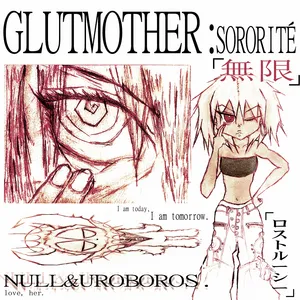
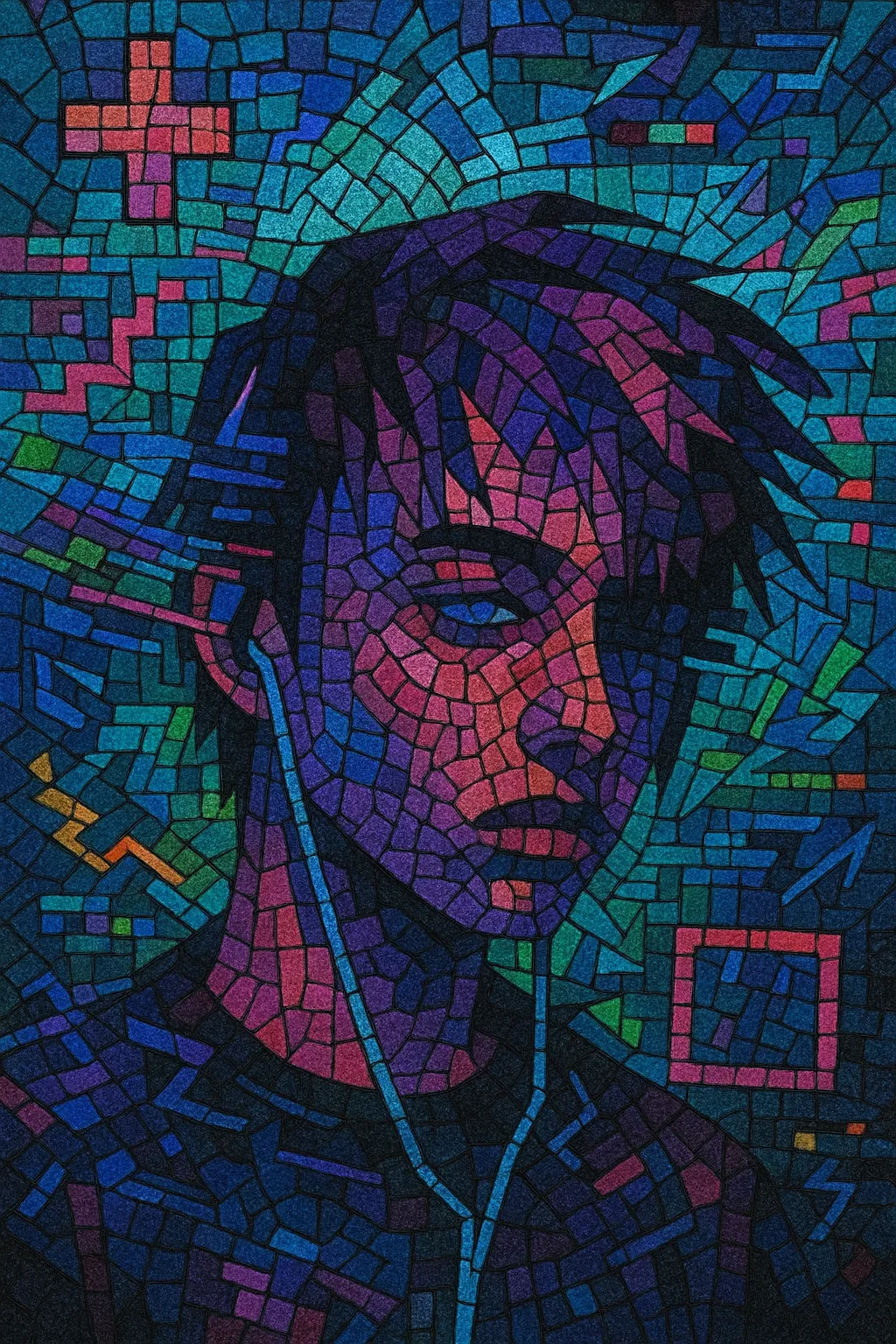
The scene’s infrastructure—self-organized collectives, mutual mixing/mastering help, and shared preset banks—embedded a collaborative ethos. Visuals mirrored the sonic identity: saturated colors, pixel art, vapor-adjacent collage, and net-native typography. Livestream sets, Discord listening parties, and social media snippets shaped release strategies and song forms, favoring immediacy and high turnover.
By 2022, digicore’s stylistic gravity pulled in and pushed out: artists flirted with indie pop, alt-rap, and club drums, while others doubled down on even harsher clipping and drum minimalism. The scene helped catalyze adjacent microstyles (e.g., sample-splattered collage pop-rap and ultra-digital, overcompressed variants), while several artists crossed into wider alternative and pop spheres. Despite evolving definitions, the core remains: intensely online, collaborative production and emotionally candid songwriting delivered through a distinctively digital sheen.