Your digging level
Description
HexD is a net-native microgenre of hip‑hop and electronic music defined by extreme bitcrushing, aggressive down/upsampling, hard clipping, and compression applied to beats and especially to vocals.
Tracks often feature sped‑up and pitched‑up (sometimes formant‑shifted) vocal edits over trap‑leaning drums or breakbeat fragments, creating a distorted, digital, hazy, and psychedelic texture. Many releases are edits or reworks of existing material from rap, emo rap, and digicore/hyperpop, treated as raw sound to be “hexxed” with digital artifacts.
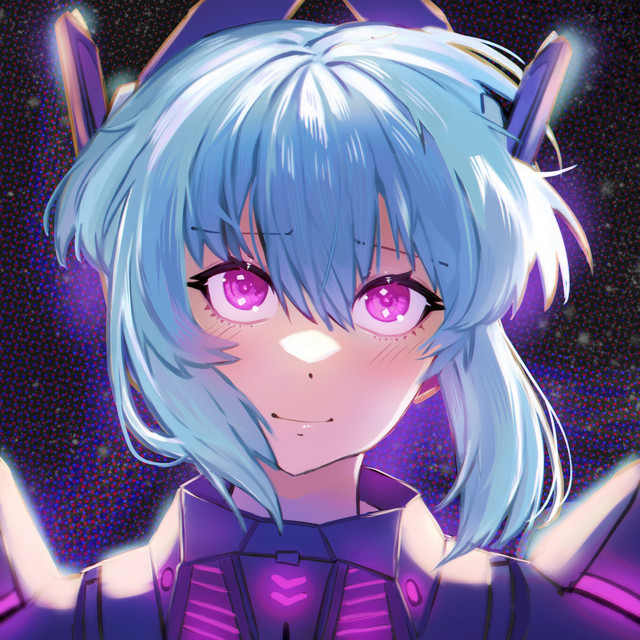
Aesthetically, the scene is tightly tied to online platforms and DIY collectives, embracing early‑web, anime, and lo‑fi internet visuals while prioritizing mood, texture, and immediacy over fidelity.
History
HexD coalesced online in the late 2010s as editors and producers on SoundCloud, YouTube, and Discord began pushing vocal edits and rap/electronic beats through heavy bitcrushing and drastic pitch/tempo manipulation. The approach reframed bitcrush not just as a texture but as the central aesthetic, yielding a smeared, psychedelic, and overtly digital sound.
Community DJ mixes and netlabel compilations helped solidify a shared vocabulary—“hexxed” songs, pitched‑up/bitcrushed vocals, and crushed masters—while tying the sound to internet‑native rap and digicore/hyperpop circles. Online archives and channels amplified the style beyond small Discord servers, and the term HexD became the favored tag for this distinct edit‑forward, bitcrush‑centric approach.
As the tag stabilized, artists and collectives refined the palette: sharper trap percussion, blown‑out subs, trancey or cloud‑rap pads, and vocal edits that ride the line between cute and menacing. From this core, related club‑ready offshoots (e.g., krush‑leaning styles) adopted the same bit‑reduced gloss while emphasizing dancefloor momentum.
HexD’s influence extends beyond sonics into visual culture—blingee‑era web graphics, anime edits, and low‑bit digital UI motifs—cementing it as both a sound design school and an internet micro‑scene.