Your digging level
Description
Nightcore is an internet-born editing style that speeds up and pitch‑raises existing songs—typically by around a third in speed—so the vocals become brighter and more youthful and the groove turns more urgent.
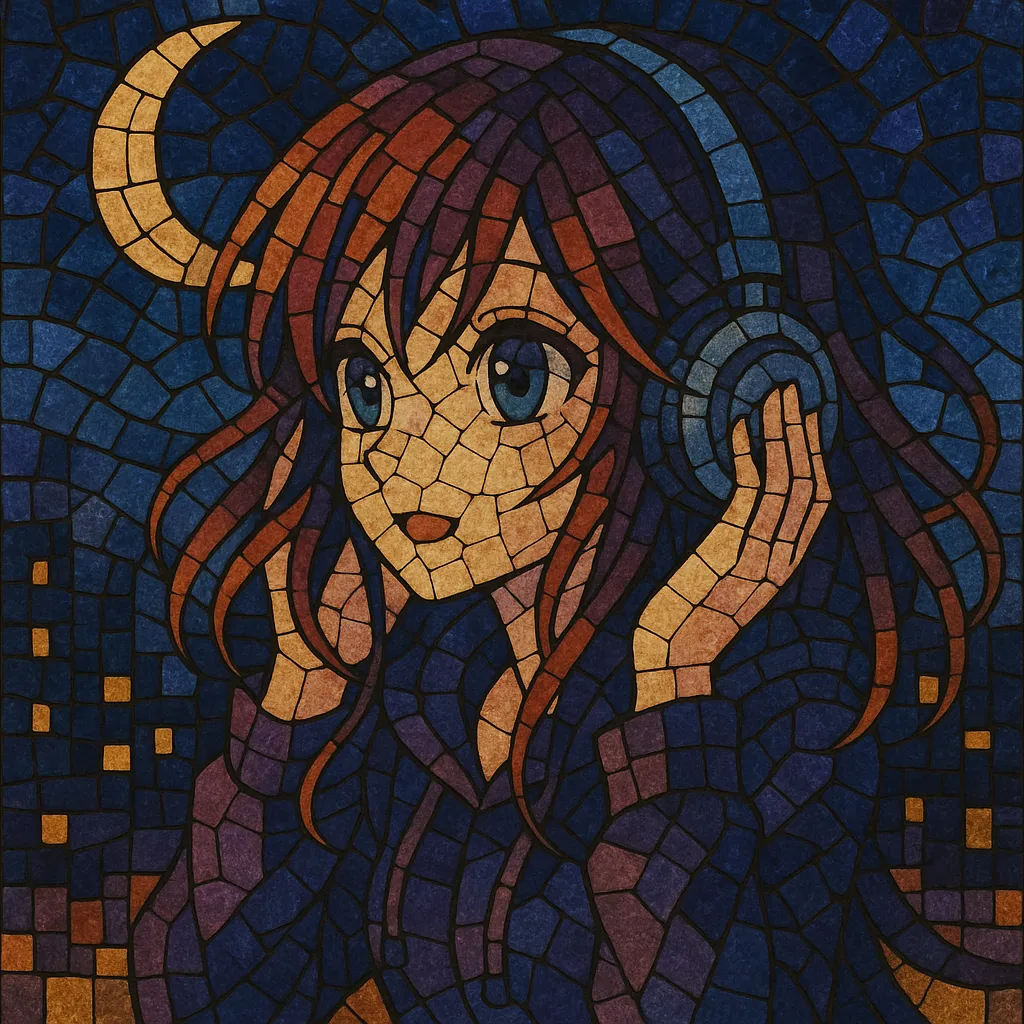
Practically, a classic nightcore edit accelerates a pop, Eurodance, or trance source by roughly 20–35% (the canonical meme is ~35%), which also lifts the pitch by about five and a half semitones—similar to playing a 33⅓‑rpm record at 45 rpm. The result is euphoric, hook‑forward, and highly kinetic, and it is often presented with anime or fan‑art visuals that emphasize its internet‑native identity.


History
Nightcore emerged in Norway in the early 2000s when the Norwegian DJ duo Nightcore (Thomas S. Nilsen “DJ TNT” and Steffen Ojala Søderholm “DJ SOS”) began releasing sped‑up, pitch‑raised versions of trance and Eurodance tracks. Their edits codified a simple recipe: increase tempo and let the pitch rise accordingly, creating a hyper‑euphoric feel reminiscent of the happy‑hardcore practice of playing 33⅓‑rpm records at 45 rpm.
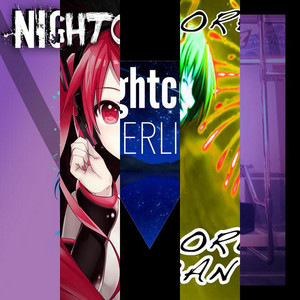
Ripped and shared on P2P networks and then mass‑uploaded to YouTube, nightcore spread as a participatory edit culture. Countless community channels adopted a consistent “look and feel”: fast, bright, sentimental edits paired with anime imagery and AMV aesthetics. During this period the term “nightcore” shifted from naming the original duo to describing the broader sped‑up, pitched‑up technique itself.
As short‑form platforms popularized “sped up” and “slowed + reverb” variants, the nightcore approach influenced a wider pop‑editing economy. Elements of its sound—chipmunked vocals, blistering tempos, and internet‑native presentation—bled into adjacent online scenes and informed parts of hyperpop and related genres, while remaining a DIY technique used by editors, creators, and labels alike.
Choose a vocal‑led track with clear hooks (Eurodance, trance, pop, or EDM work especially well). Edits typically end up around 150–180 BPM after speeding up, so pick sources that can tolerate that energy without becoming cluttered.
– Time‑compress the entire mix by ~20–35% (classic meme: ~35%). Allow pitch to rise with speed; this naturally lifts the key by roughly +4 to +6 semitones.
– Optionally use formant tools: keep formants uncorrected for the classic “helium” vocal, or lightly correct them if the vocal becomes shrill.
– Clean the low end with a gentle high‑pass or multiband control; speeding up can exaggerate kick/bass overlap.
– Accentuate transients (especially hi‑hats and claps) with transient shaping or gentle high‑shelf EQ to preserve sparkle after time‑compression.
– Mild bus compression and bright, fast mastering limiting suit the style; keep it punchy and loud without obvious pumping.
– Pair the audio with anime/AMV‑style visuals or fan art to match community norms.
– When releasing, mind licensing: nightcore is typically a transformative edit of someone else’s work, so obtain permission or follow platform policies.


![HOW TO MAKE NIGHTCORE EDITS (IN 15 SECONDS)🎊❤️🎀 [SOUND DESIGN SUNDAY]](https://i.ytimg.com/vi/9R6OPAcK64M/hqdefault.jpg)

Top albums