Your digging level
Description
Anime phonk is an internet-native microstyle of phonk that fuses the genre’s hard-hitting 808s, distorted bass, and signature cowbell patterns with samples, motifs, and aesthetics drawn from Japanese anime culture.
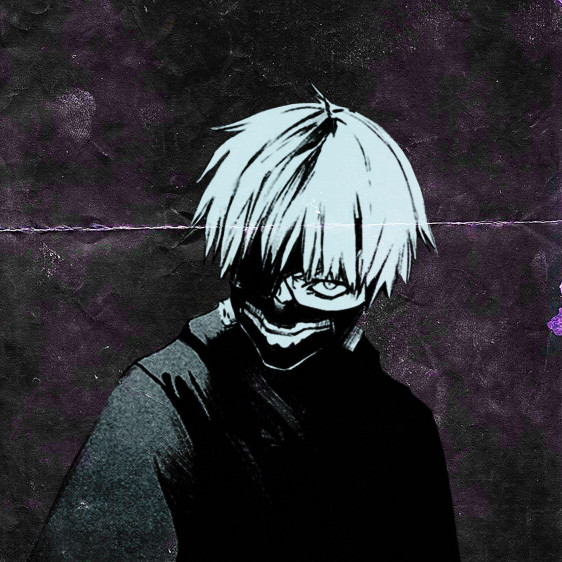
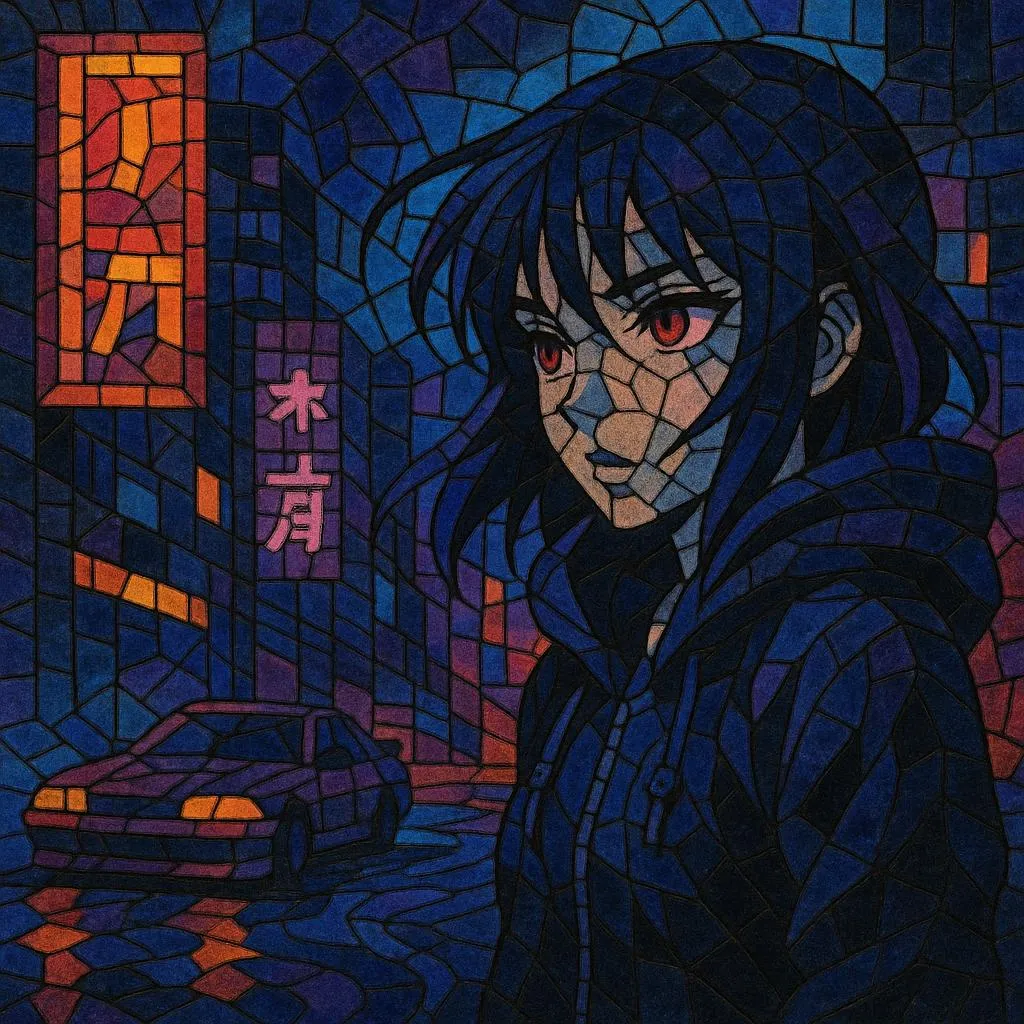
Producers stitch together chopped anime dialogue, openings/endings, city pop fragments, or anime-score textures with drift-phonk rhythms at brisk tempos, then brand the tracks with AMV-style edits, neon palettes, and character imagery. The result balances dark, driving club energy with nostalgic, emotive cues from anime and Japanese pop culture.
It spread rapidly via TikTok, YouTube shorts, and AMV channels, where short edits accentuate the genre’s punchy drops and dramatic, cut-up vocal one-liners.
History
Phonk itself grew from Memphis rap, chopped-and-screwed aesthetics, and later drift-phonk’s aggressive, cowbell-driven momentum. As anime culture and AMV editing thrived online, a cohort of producers began overlaying drift-phonk rhythms with anime voice lines, openings, and city pop fragments—creating a recognizable anime-forward variant.
Short‑form video platforms (especially TikTok) and YouTube/AMV channels accelerated the spread. The format’s quick impact drops, dramatic pauses, and quotable anime lines were a perfect match for edits, fight scenes, and stylized transitions. This virality cemented the “anime phonk” tag in 2021–2023 and defined a visual grammar—neon palettes, speedlines, and looping character shots—that listeners immediately associate with the sound.
Producers standardized key traits: 150–180 BPM drift‑phonk grooves; syncopated cowbells; sub‑heavy, often clipped 808s; distorted bass; and anime-derived vocal chops pitched, time‑stretched, or formant‑shifted for drama. Harmony tends to lean minor (Aeolian, Phrygian, or Dorian), with occasional city‑pop chords to introduce bittersweet nostalgia.
Although rooted in online scenes heavily populated by Russian/Eastern European and Latin American creators, the style is now global. It cross‑pollinates with vaporwave/future‑funk visuals, lo‑fi hip‑hop atmosphere, and broader trap production. Slowed+reverb and “sped‑up” edits further adapt tracks for different creator niches, keeping the genre fluid while retaining its core sonic/visual identity.