Your digging level
Description
Anime drill is a micro‑scene of drill and trap that layers the genre’s dark, sliding 808s and rattling hi‑hats with samples, motifs, and lyrical references drawn from anime culture. Producers often chop cues from anime soundtracks, J‑pop hooks, or dialogue stabs and resample them into menacing drill frameworks.
Vocally, artists deliver drill flows packed with otaku references, power‑scaling metaphors, and character shout‑outs, while maintaining the aggressive cadence, ad‑libs, and rhyme density typical of drill. The result balances the cinematic tension of drill with a distinctly nerdcore/otaku aesthetic—both gritty and nostalgic, both streetwise and fandom‑driven.
History
Anime drill emerges at the intersection of UK/US drill and online otaku/nerdcore rap communities. As drill’s sonic palette globalized, producers began sampling anime OSTs and J‑pop hooks, a practice foreshadowed by earlier “anime rap” ciphers and YouTube fandom music. Social platforms (YouTube, TikTok, Discord) catalyzed rapid cross‑pollination, making it easy to share type beats and splice anime cues into drill frameworks.
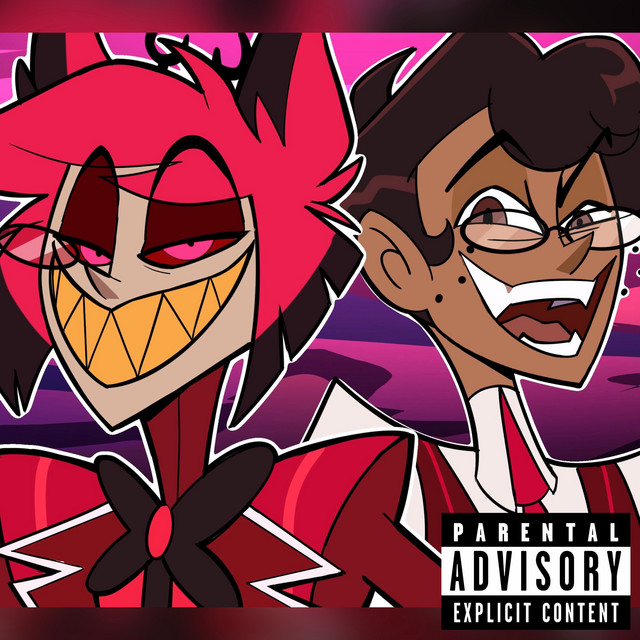
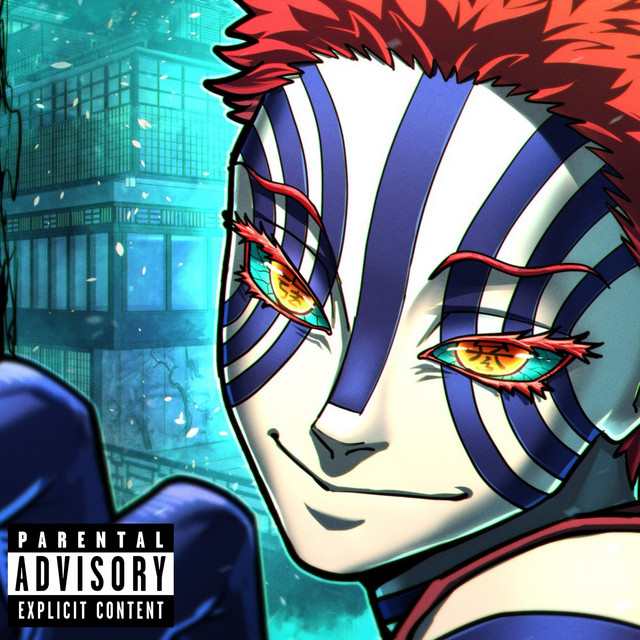
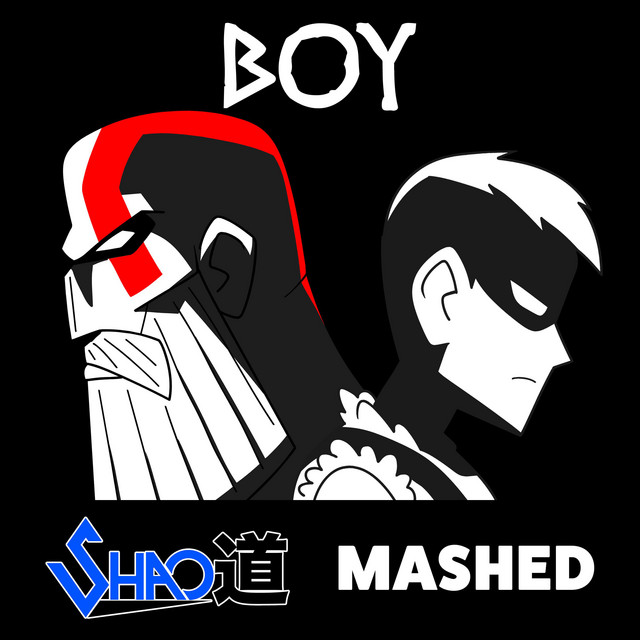
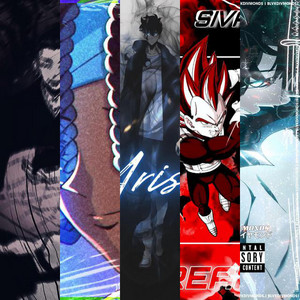
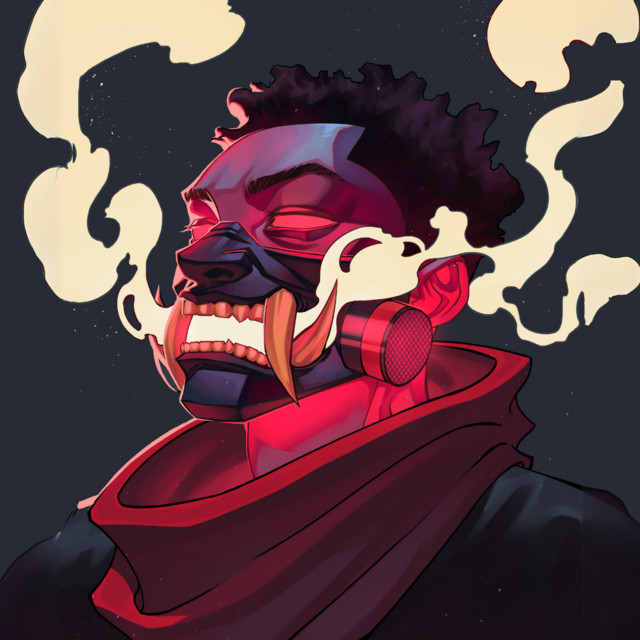
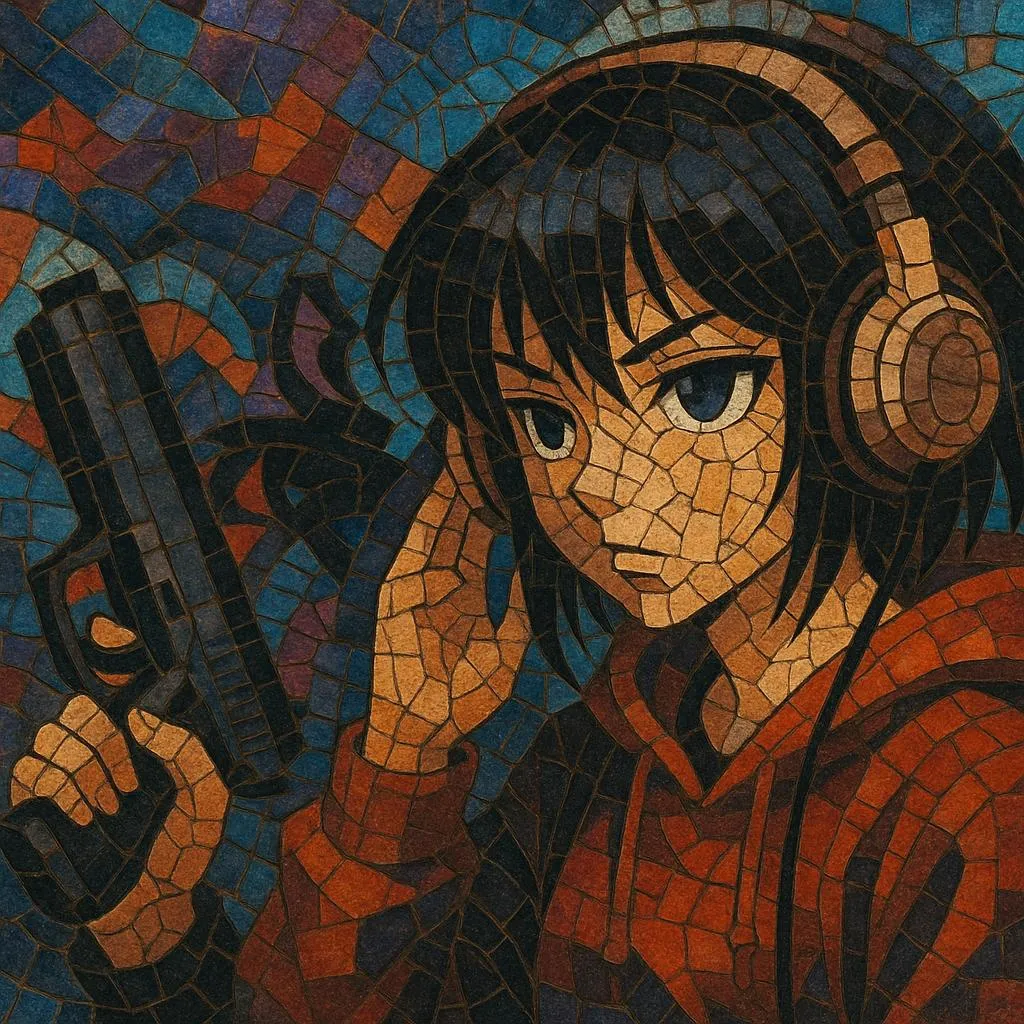
By the early 2020s, the style’s signatures were clear: ominous drill drum programming (triplet hi‑hats, sliding 808s), minor‑key or modal melodies often lifted from anime or inspired by Japanese pop harmony, and bars crammed with references to shōnen arcs, techniques, and characters. Cover art and videos mirrored AMV aesthetics—glitch edits, scene loops, and fan art—tying the sound to a recognizable visual language.
Most releases circulated digitally: singles, ciphers, and cyphers on YouTube, SoundCloud, and streaming platforms. Beatmakers pushed “anime drill type beats,” while vocalists from hip‑hop and nerdcore circles adopted drill flows. The scene remained decentralized and international, with creators from the UK, US, and beyond trading stems and collaborating remotely.
Anime drill continues to absorb ideas from adjacent micro‑scenes—phonk, hyperpop‑leaning rap, and Japanese underground rap—while influencing newer anime‑sampled club styles. Its hybrid identity—half fandom, half street form—keeps it flexible and meme‑aware, evolving quickly with online culture.