Your digging level
Description
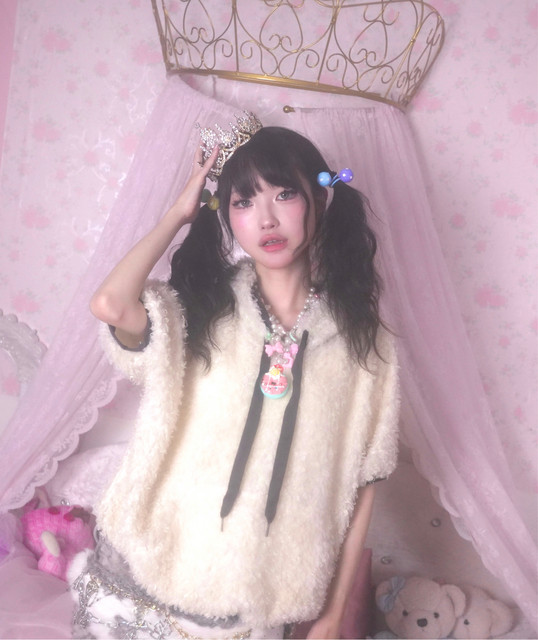
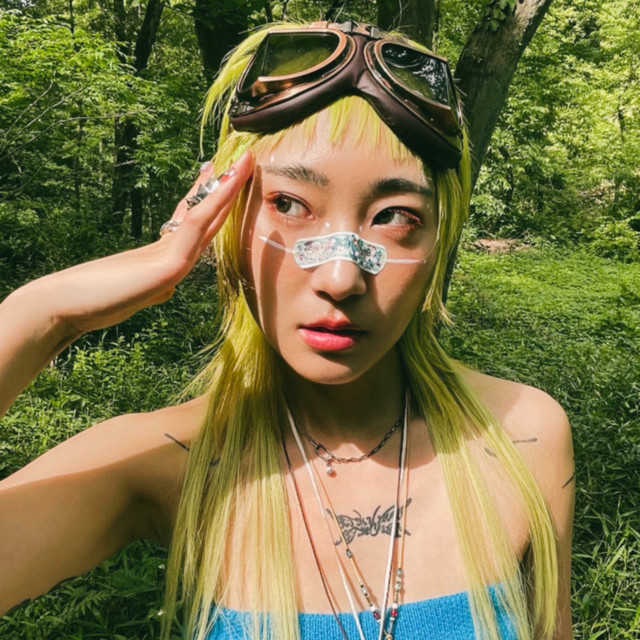
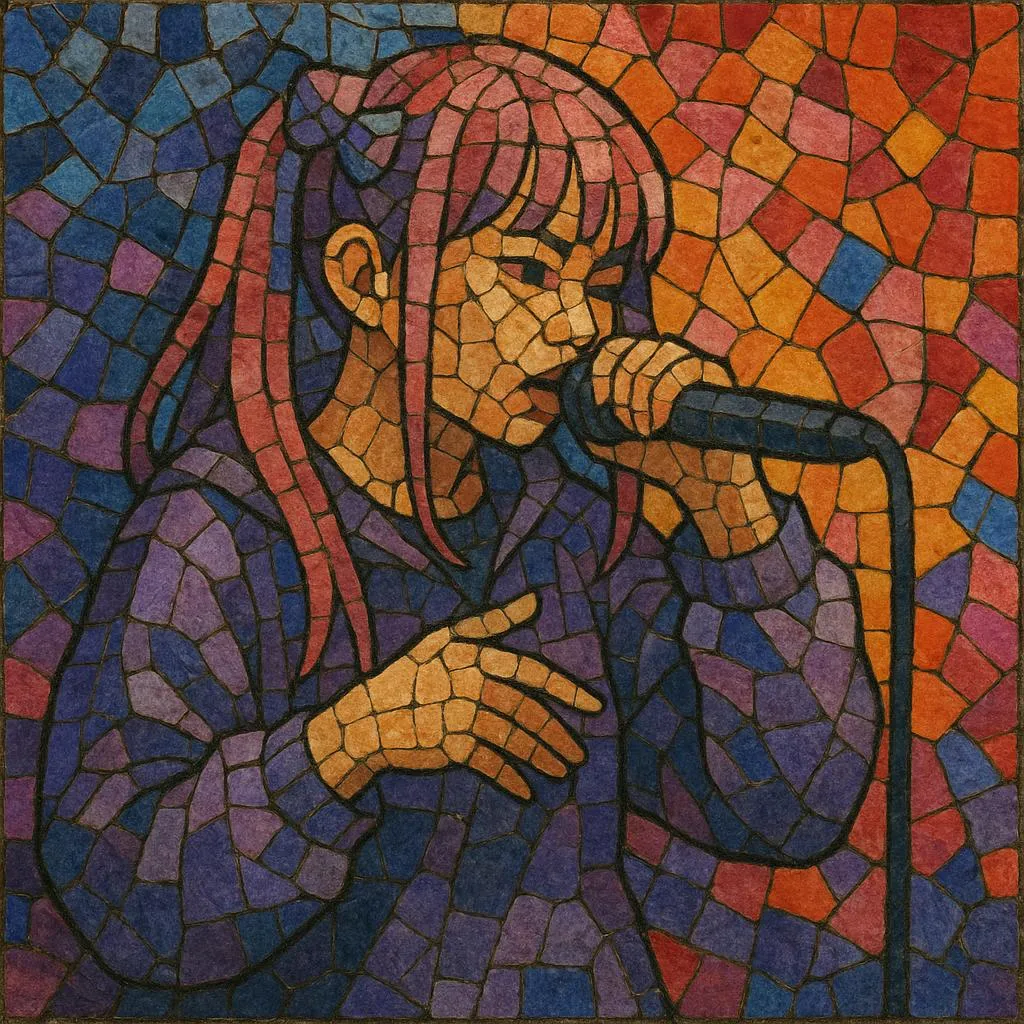
Josei rap is a contemporary Japanese hip‑hop micro‑scene centered on women MCs and female‑led rap units. It blends core hip‑hop technique (flow, bars, cypher culture) with J‑pop songcraft, internet‑native aesthetics, and touches of kawaii style, producing a spectrum that runs from gritty boom‑bap and trap to brightly melodic, idol‑adjacent pop‑rap.
The sound often pairs 808 low‑end and crisp hi‑hats with candy‑colored synths, glockenspiels, chiptune fragments, or future‑bass pads. Lyrically it foregrounds self‑expression, agency, identity, friendship, humor, and day‑to‑day urban life, frequently using bilingual Japanese–English code‑switching. Hooks tend to be highly singable, while verses showcase agile flows that can swing from cute and playful to sharp and confrontational.
History
Female voices have been part of Japanese hip‑hop since its formative waves, but the seeds of a distinct women‑led pop‑rap sensibility emerged in the 2000s through female MCs and duos who blended rap with J‑pop and electronic production. This period built audience familiarity with women rapping in Japanese outside purely underground circles.
In the 2010s, Japan’s digital and club ecosystems (Shibuya, Harajuku, Osaka, online netlabels, SoundCloud/YouTube) made it easier for women rappers to self‑produce, collaborate with beatmakers, and find audiences. Social video and short‑form platforms encouraged punchy, hook‑forward tracks, while bilingual posting and meme culture helped songs travel.
Aesthetically, the scene coalesced around two poles: a hard‑edged trap/boom‑bap lineage and a pop‑rap stream influenced by idol culture, anime, Vocaloid, and future‑bass colors. Both emphasized individuality, with lyrics centering empowerment, self‑definition, and the negotiation of gendered expectations in contemporary Japan.
By the late 2010s into the 2020s, women MCs gained festival slots, brand syncs, and high‑profile features with producers and cross‑scene collaborators. The sound diversified: some acts leaned into glossy J‑pop hooks and dance‑forward arrangements; others doubled down on minimal, bass‑heavy trap and classic hip‑hop craftsmanship. Online communities, TikTok challenges, and DIY video culture sustained rapid discovery cycles, making josei rap a recognizable tag within Japanese hip‑hop.
Josei rap continues to expand across underground clubs, indie labels, and mainstream pop pipelines. It functions as a bridge between Japan’s hip‑hop tradition and its vibrant pop/otaku/alt‑idol aesthetics, while providing a platform for women MCs to define contemporary narratives on their own terms.