Your digging level

For this genre
0/8
🏆
Sign in, then listen to this genre to level up

Description

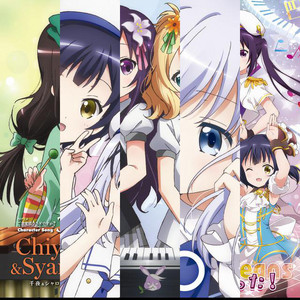
In music taxonomy, "seinen" refers to songs and scores associated with anime and manga aimed at young adult men (seinen). In practice, it is not a single musical idiom but a programming tag that gathers opening/ending themes, character songs, and background scores from series serialized in seinen magazines or targeted to older teens/adults.

Stylistically, seinen music spans two prominent poles:

•   Mature, moody soundtracks and themes for psychological thrillers, cyberpunk, crime, historical, or military dramas. These often blend alternative/indie rock, post-rock, electronic (IDM/synth/industrial), and cinematic orchestration. •   Light, character‑driven pop for slice‑of‑life or "moe" titles aimed at adults, featuring seiyū (voice actors) singing bright J‑pop or idol‑style songs with tight hooks and glossy production.

Because of this breadth, "seinen" is best understood as an application context for anisong and Japanese popular styles, rather than a narrowly defined genre with fixed musical rules.


Sources: Spotify, Wikipedia, Discogs, Rate Your Music, MusicBrainz, and other online sources

History

Origins (1980s)

Seinen anime and OVA culture expanded in the 1980s alongside magazines such as Weekly Young Jump and Big Comic. Theme songs and scores for titles targeting adults adopted contemporary J‑pop and rock while embracing more serious narrative tones than shōnen counterparts. Early examples of noir/cyberpunk or hard‑boiled series began setting the template for darker, more sophisticated soundtrack palettes.

Consolidation and Iconic Sound (1990s)

The 1990s cemented a "mature anisong" profile as productions explored cyberpunk, psychological, and historical narratives. Composers and bands blended alternative rock, industrial/electronic textures, and cinematic orchestration. Parallelly, seiyū‑led character songs for adult‑oriented slice‑of‑life and comedy series emerged, showing that "seinen" could equally house bright, hook‑forward pop when the story world called for it.

2000s: Dual Track Growth

Two concurrent lines flourished: (1) gritty, cinematic soundscapes for prestige series, often using post‑rock, ambient, and IDM elements; and (2) polished J‑pop/idol aesthetics for relaxed, "iyashikei" (healing) slice‑of‑life titles. The rise of character CDs and franchise media ecosystems expanded the volume of seinen‑tagged music (OP/ED, insert songs, drama tracks, image albums).

2010s–present: Platform Era and Crossovers

Streaming platforms and global fandom accelerated discovery. Seinen themes frequently charted, and cross‑pollination with indie/alt‑rock bands and electronic producers intensified. Seiyū‑idol units flourished, while darker titles drew on modern rock, metal, and cinematic hybrid scoring. Today, "seinen" functions as a discoverability label across a wide stylistic spectrum, unified by its adult‑targeted narratives and production values.

How to make a track in this genre

1) Decide the narrative pole
•   Dark/psychological/cyberpunk seinen: aim for brooding, textural sound design; hybrid orchestral + electronic; alternative/indie rock grit. •   Slice‑of‑life/moe seinen: pursue bright, polished J‑pop with seiyū‑friendly ranges and memorable hooks.
2) Instrumentation and texture
•   Dark seinen: combine distorted or delay‑washed guitars (alt/post‑rock), analog and digital synths (pads, arps, basses), drum kit with processed percussion, and strings/brass for cinematic scale. Layer pulses, drones, and rhythmic ostinati for tension. •   Slice‑of‑life: rhythm section (electric bass, clean guitars, pop drums), glossy synths, piano, and light percussion (shakers, claps). Add backing vocals for idol flavor.
3) Harmony and melody
•   Dark seinen: moderate chromaticism and modal color (Aeolian, Dorian, Phrygian touches), sustained pedal tones, and suspended/added‑tone chords (sus2/sus4, add9). Build tension via non‑functional progressions (e.g., i–VI–III–VII) •   Slice‑of‑life: bright major keys with pop progressions (I–V–vi–IV; IV–V–iii–vi). Melodies should be singable for seiyū; use stepwise motion with a few expressive leaps.
4) Rhythm and form
•   Dark seinen: 70–120 BPM; embrace halftime grooves, syncopated programming, or motorik pulses. Structure around a strong motif that can evolve into a climactic coda. •   Slice‑of‑life: 110–150 BPM; straight, danceable grooves. Standard anisong forms (intro–A–B–pre–chorus–post–bridge–final chorus with key change) work well.
5) Lyrics and vocal delivery
•   Dark seinen: themes of alienation, moral ambiguity, urban anonymity, memory, or fate. Vocal timbres can be intimate, breathy, or urgent; consider bilingual hooks (JP/EN) for edge. •   Slice‑of‑life: everyday warmth—friendship, work, cafés, small joys, gentle romance. Clear diction, stacked harmonies, and occasional character ad‑libs suit seiyū voices.
6) Production tips
•   Dark: parallel compression on drums, saturation on bass/synths, long‑tail reverbs for scale, and filtered risers for transitions. •   Slice‑of‑life: crisp transients, tight low‑end, bright vocal EQ (2–6 kHz presence), and subtle pitch/time effects for glossy idol pop sheen.
7) For scores (BGM)

Develop leitmotifs tied to characters or moral themes. Orchestrate variations (tempo, mode, instrumentation) to track narrative shifts. Use sparse textures under dialogue and expand to full hybrid cues for action or psychological reveals.

Top tracks

Locked
Share your favorite track to unlock other users’ top tracks
Influenced by
Has influenced
Challenges
Digger Battle
Let's see who can find the best track in this genre

Download our mobile app

Get the Melodigging app and start digging for new genres on the go
© 2026 Melodigging
Melodding was created as a tribute to Every Noise at Once, which inspired us to help curious minds keep digging into music's ever-evolving genres.
Buy me a coffee for Melodigging