Your digging level

For this genre
0/8
🏆
Sign in, then listen to this genre to level up

Description

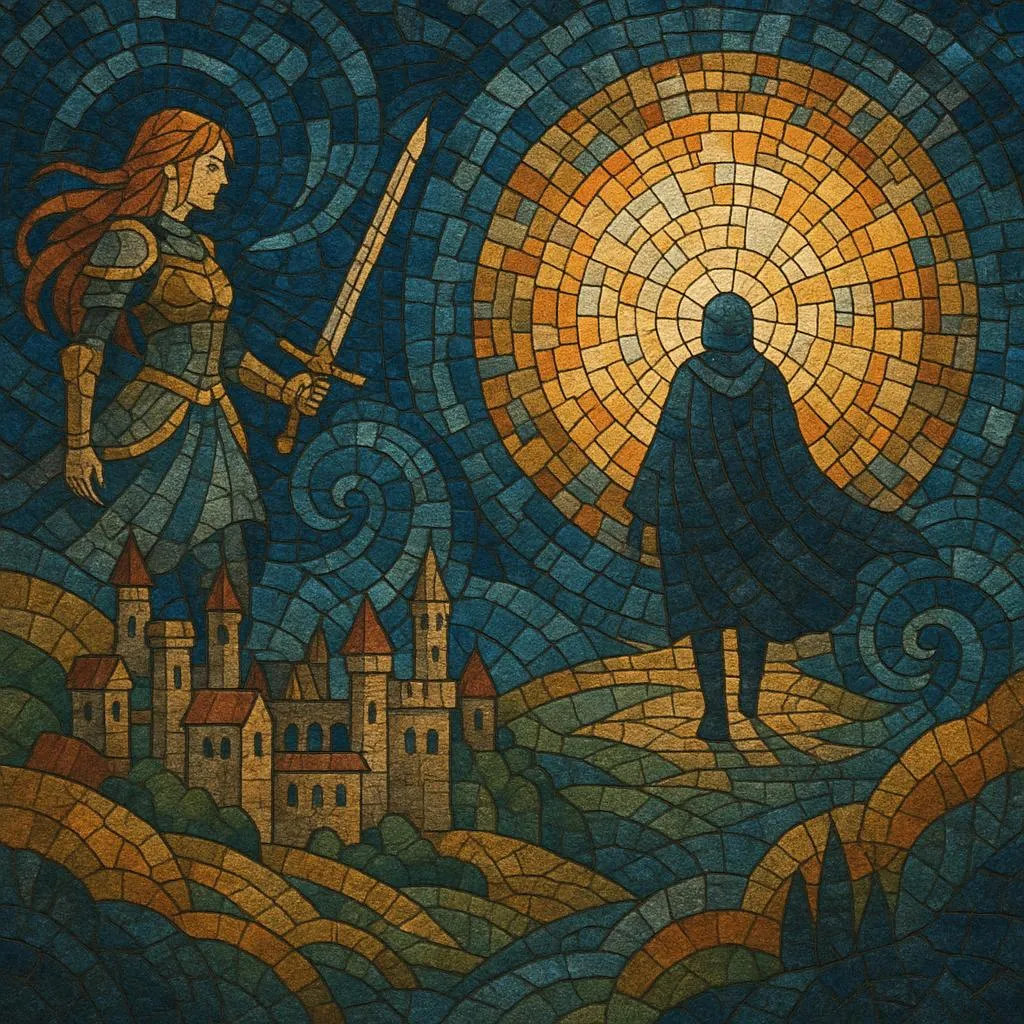
Isekai (lit. "another world") in music refers to songs and scores written for anime and games where characters are transported—often accidentally or involuntarily—into a parallel universe or fantasy world. In practice, it is a sub-current of Japanese anisong and soundtrack culture whose soundworld emphasizes the wonder, peril, and empowerment arcs typical of isekai narratives.

Musically, isekai blends high-impact J‑pop/J‑rock openings (OPs) with hybrid orchestral scores: soaring string ostinati, heroic brass, choir pads, and EDM/rock rhythm sections used to frame battles, leveling-up sequences, and portal moments. Endings (EDs) often pivot to lyrical, nostalgic or bittersweet pop to reflect homesickness, found-family bonds, or the protagonist’s inner monologue.


Sources: Spotify, Wikipedia, Discogs, RYM, MB, user feedback and other online sources

History

Origins and early roots (1990s–2000s)

While the narrative idea of traveling to another world is older, the recognizable isekai sound took shape gradually within Japanese anime music. Early precursors in fantasy/isekai-adjacent titles established a template of epic, orchestral-leaning scores offset by pop-rock openings and sentimental ballad endings. This duality—spectacle versus introspection—became a key musical grammar.

Breakout and codification (2010s)

The 2010s brought an isekai boom in anime, firmly codifying its musical profile. Big-chorus J‑pop/J‑rock OPs emphasized resolve, destiny, and transformation, often with brisk tempos, stacked harmonies, and hybrid rock/EDM production. In parallel, series scores leaned into cinematic hybrid orchestration—string ostinati, bold brass, ethereal choir, world-instrument colors—and rhythmic electronics for battles and portal set-pieces. This period normalized the alternation of high-energy OPs and tender or reflective EDs to mirror arc beats (adventure vs. homesickness).

Diversification and cross-media (late 2010s–2020s)

As subgenres of isekai multiplied (comedy, dark fantasy, game-system worlds), music broadened too: heavier guitar-driven cues for demon-lord or dungeon arcs, more luminous pads and folk timbres for healing/farming isekai, and EDM-inflected bangers for game-like fight choreography. Theme-song culture (anisong) flourished, with specialist units and vocalists crafting anthemic OPs and emotive EDs, while soundtrack composers expanded hybrid palettes (orchestral + synths + sound design) to world-build unique realms.

Stylistic hallmarks today

Modern isekai continues to mix anthem-ready pop/rock songs with cinematic hybrid scores. Expect heroic modulations, percussive momentum (rock kits, trailer-style percussion), choir pads, and leitmotifs tied to protagonists, parties, or kingdoms—always serving the central fantasy of crossing worlds and growing through trial.

How to make a track in this genre

1) Songwriting for OP/ED (anisong approach)
•   Form: For OPs, use an intro → verse → pre-chorus build → explosive chorus → short post-chorus hook; target 85–105 seconds (TV size) with an instantaneous hook. EDs can be gentler, more linear, and ballad-leaning. •   Harmony: OPs often center in minor or modal (Aeolian/Dorian) with bright borrowed chords; heroic key-changes (up a semitone or whole step) into the final chorus are common. EDs favor diatonic progressions (I–V–vi–IV variants) with color tones (add9, sus) for sentimentality. •   Melody & lyrics: Write octave-spanning, singable melodies that peak in the chorus. Lyrically emphasize portals, fate, rebirth (tensei), parties/guilds, courage, and longing for home. Seed narrative words ("magic/mahou", "another world/isekai", "level up", "summoned", "return"). •   Rhythm & production: OPs are brisk (140–170 BPM) pop-rock with tight rhythm guitars, eighth-note bass, punchy kicks/snares, and layered gang vocals or doubles in the chorus. For modern sheen, blend EDM risers, sidechain pads, and tom fills into rock backlines.
2) Scoring (hybrid orchestral for world-building)
•   Palette: Strings for ostinati and lyricism; brass for heroism; woodwinds for pastoral or village cues; choir (real or synth) for sacred/ancient aura; hybrid elements (synth pulses, braams, distorted drones) for portals/boss fights. Sprinkle ethnic timbres (shakuhachi, koto, duduk, Celtic whistles, frame drums) to localize kingdoms without caricature. •   Themes (leitmotifs): Assign concise motifs to the protagonist, party, and antagonists; develop them via reharmonization and orchestration (e.g., solo flute → full strings → brass chorale) as the character grows. •   Harmony & texture: Use pedal points and modal interchange for wonder; Lydian lifts for awe; Phrygian colors for menace. Alternate dense trailer-like hits with transparent, pad-rich textures for "wide-world" shots. •   Action cues: Mix string ostinati (spiccato), low percussion (taiko-style, toms), and synth pulses at 120–150 BPM; punctuate with brass stabs and aleatoric clusters for chaos.
3) Production & mixing tips
•   OP/ED vocals up-front with doubled choruses and harmonies; automate lifts into drops/modulations. Parallel compression on drums; multiband control on bright guitars/synths. •   Scores benefit from stem-based layering (strings, brass, percussion, synths, choir) for broadcast mixes; glue with reverb tails that suggest cavernous, otherworldly spaces.
4) Common pitfalls
•   Over-reliance on generic trailer hits without thematic content; aim for memorable motifs. •   Exoticism clichés: choose world timbres thoughtfully and integrate them musically, not as surface décor.

Best playlists

Top tracks

Locked
Share your favorite track to unlock other users’ top tracks

Related labels

Upcoming concerts

in this genre
Influenced by
Has influenced

Download our mobile app

Get the Melodigging app and start digging for new genres on the go
© 2026 Melodigging
Melodding was created as a tribute to Every Noise at Once, which inspired us to help curious minds keep digging into music's ever-evolving genres.
Buy me a coffee for Melodigging