

Your digging level
For this genre
0/8
🏆
Sign in, then listen to this genre to level up
Description
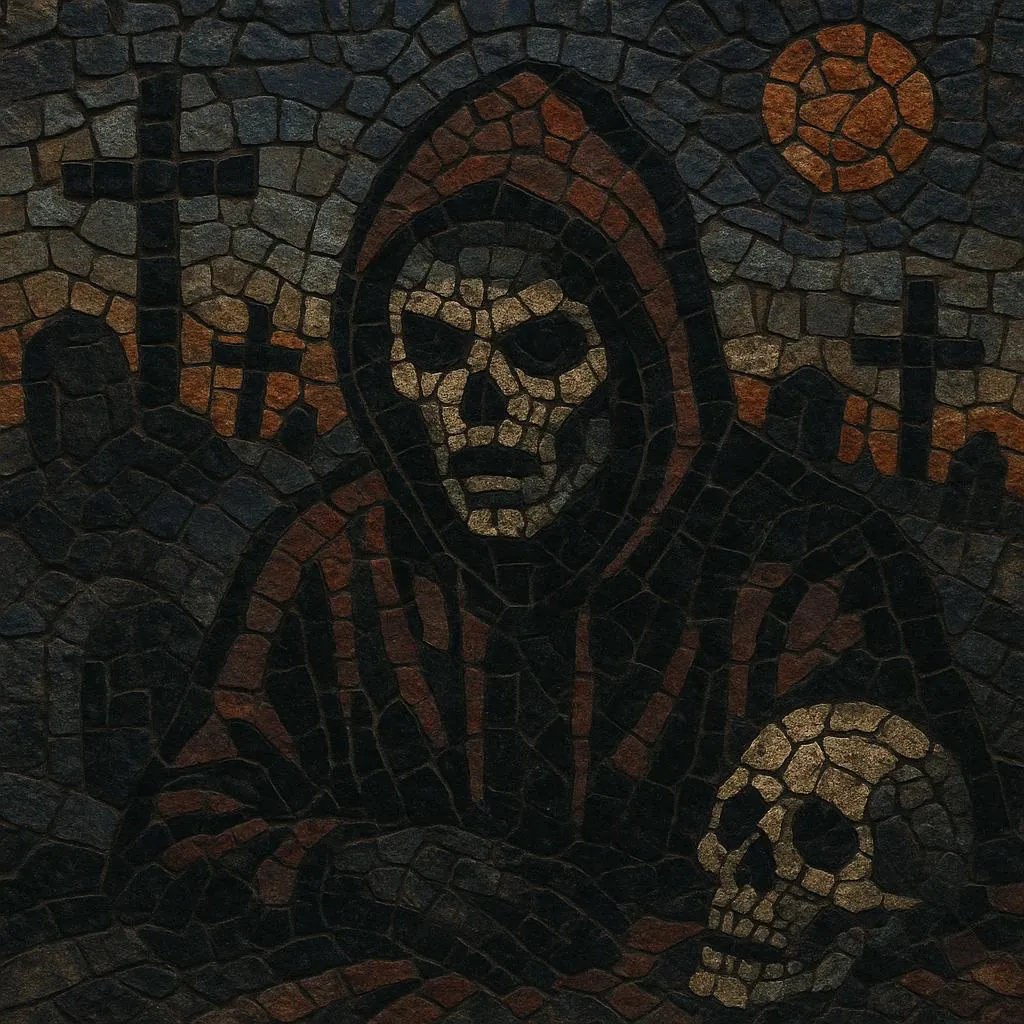
Doomshop phonk is a darker, grittier branch of phonk rooted in 1990s Memphis underground hip hop aesthetics and horrorcore imagery.
It emphasizes slowed, pitched‑down rap vocals, eerie melodic loops, blown‑out 808 subs, and lo‑fi textures (tape hiss, vinyl crackle) to evoke a sinister, nocturnal atmosphere.
The style was popularized online in the mid‑2010s through the Doom Shop/Doomshop collective, YouTube mixtapes, and SoundCloud communities. Compared with mainstream or drift phonk, doomshop phonk keeps tempos slower, mixes dirtier, and samples and programming closer to chopped‑and‑screwed and early Memphis traditions.

Vertentes que NINGUÉM aguenta mais (DOOMSHOP E PHONK)
AeNeTê

O CRIADOR do DOOMSHOP! #doomshop #phonk
AeNeTê
History
Origins (1990s foundations)
• The DNA of doomshop phonk traces to 1990s Memphis rap: raw cassette‑circulated beats, murky bass, and occult/horror imagery. Producers like DJ Paul and Juicy J (Three 6 Mafia) set the template that later internet scenes would sample and emulate.
• In parallel, Houston’s chopped and screwed culture (DJ Screw and followers) normalized slowing, pitching, and time‑stretching vocals—techniques central to doomshop aesthetics.
Online revival and codification (early–mid 2010s)
• The broader phonk revival emerged via SoundCloud/YouTube circles, Raider Klan/SpaceGhostPurrp’s Memphis‑worshipping minimalism, and a wave of bedroom producers reinterpreting 90s Southern underground.
• Around the mid‑2010s, the Doom Shop/Doomshop community and adjacent channels/mixtape curators pushed a specifically darker, more menacing branch—doomshop phonk—characterized by grim samples, overdriven 808s, and cassette‑era grime.
Aesthetics and techniques
• Hallmarks include: pitched‑down hooks from 90s Memphis a cappellas, horror film cues and church bells, tape hiss, vinyl pops, and saturated drum machines (TR‑808 kits). Harmonies favor natural minor/Phrygian inflections, chromatic drones, and repetitive, hypnotic motifs.
• Visuals mirror sonics: VHS degradation, occult/posterized graphics, late‑night car and alley imagery.
Diffusion and relationship to other phonk styles (late 2010s–2020s)
• While drift/gym phonk would race into faster, club‑ready territory, doomshop phonk retained midtempo swagger and underground grit. It influenced subsequent micro‑scenes (anime/gym phonk aesthetics and darker trap offshoots) while remaining a staple of YouTube/mixtape culture and beat‑tape communities.
Core tempo, groove, and rhythm
• Aim for 80–100 BPM (or create at 140–160 BPM and render in a half‑time feel). Keep the swing minimal; rely on a heavy head‑nod pocket.
• Program 808 kicks to carry melodic movement (glides/portamento) and allow sub tails to bleed slightly; layer with occasional distorted “blows.”
• Hi‑hats are sparse, often straight‑8ths or lazy 16ths; use open‑hat splashes and rimshots/claps with roomy reverb to widen the groove.
Sound palette and texture
• Build drums from TR‑808/909 kits and gritty, cassette‑sounding one‑shots. Add vinyl crackle, tape hiss, and subtle room noise for patina.
• Choose minor/Phrygian riffs or ominous two‑to‑four‑bar loops (e.g., bell tones, choirs, church organs, horror strings). Low‑pass and saturate to feel “sampled.”
• Use creative degradation: bit reduction, wow & flutter, overdrive, and soft clipping. A slightly mono‑heavy low end with narrow stereo image emphasizes menace.
Sampling, vocals, and arrangement
• Sample 1990s Memphis a cappellas or ad‑libs when licensing/clearance allows; otherwise, record your own pitched‑down hooks with a dark timbre.
• Employ chopped/screwed edits: stutters, backspins, tape stops, and micro‑repeats at bar turns. Filter‑sweep transitions instead of big risers.
• Keep arrangements economical: intro (environmental noise + motif), main loop (8–16 bars), a breakdown with filtered drums or isolated vocals, then a final loop.
Harmony and melody
• Favor i–VI–VII (natural minor) or i–bII (Phrygian) movements; drones and pedal tones work well. Avoid lush jazz voicings—grim minimalism is the point.
• Counter‑melodies should be sparse: a bell motif, a single detuned pad, or a choir sustain under the lead loop.
Mix and mastering tips
• Prioritize sub clarity: low‑cut non‑bass elements; keep kick fundamental and bass glide distinct. Accept tasteful clipping on drums for character.
• Darken the top end; tame harshness around 2–5 kHz; let the midrange carry the mood. Consider a slightly lower integrated LUFS than club phonk to preserve dynamics.
• Reference classic Memphis/underground textures rather than modern EDM polish.

how to make phonk
how to make music tutorials

Making a Memphis Rap Beat in 31 Seconds
BINSU
![HOW TO MAKE UNDERGROUND MEMPHIS PHONK LIKE MEMPHIS CULT [FLP]](https://i.ytimg.com/vi/tPLywJ7fqYc/hqdefault.jpg)
HOW TO MAKE UNDERGROUND MEMPHIS PHONK LIKE MEMPHIS CULT [FLP]
outherkilla

How to make PHONK like DJ AKOZA (OLD DOOMSHOP STYLE) ⚒️
shinzo

Top albums

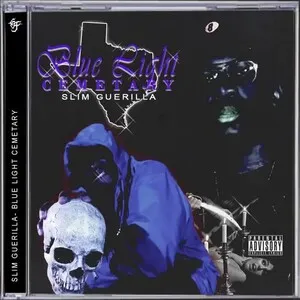
Best playlists




Top tracks
Locked
Share your favorite track to unlock other users’ top tracks
Upcoming concerts
in this genre
