Your digging level

For this genre
0/8
🏆
Sign in, then listen to this genre to level up

Description

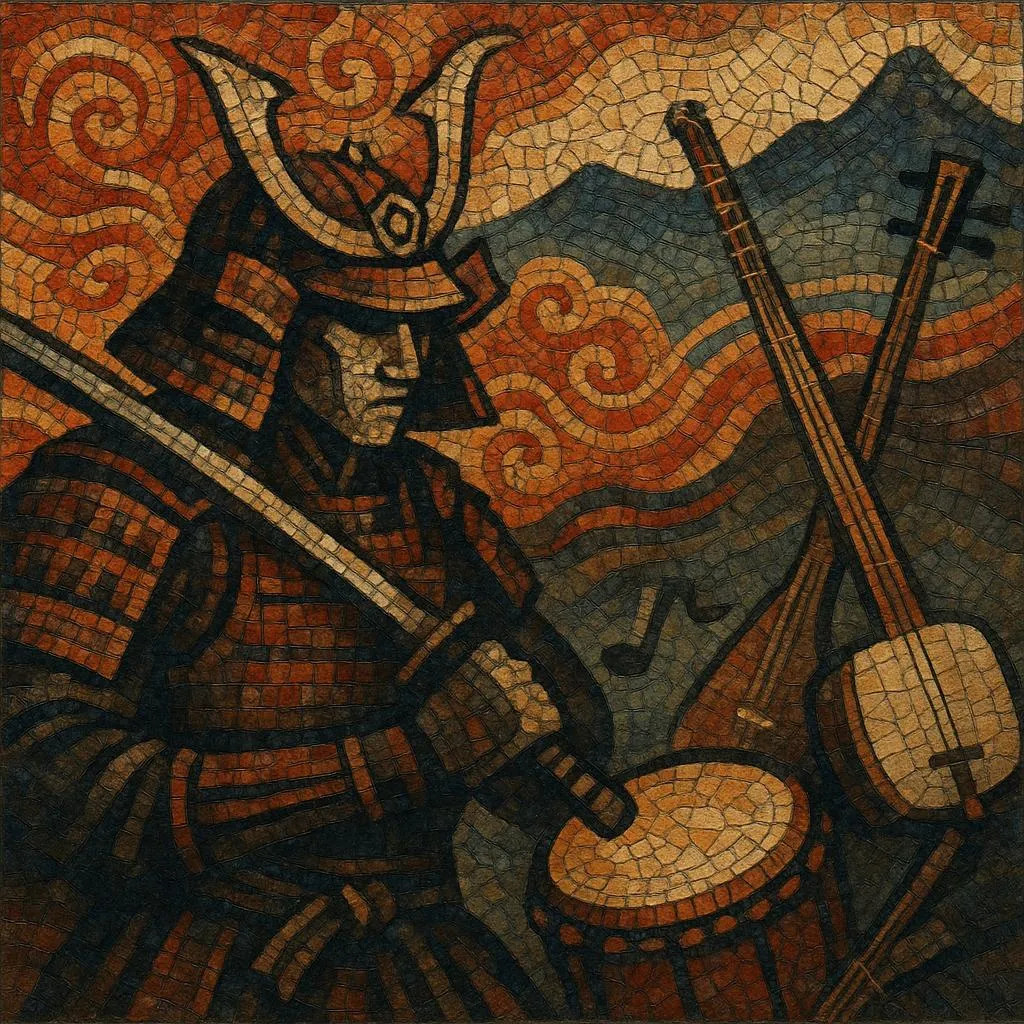
Samurai trap is a web-native microgenre of trap that fuses modern 808-driven hip hop with timbres, scales, and thematic cues associated with historical Japan ("samurai" as a catch‑all signifier). Producers layer koto, shamisen, and shakuhachi phrases, taiko‑like drum hits, and pentatonic or hirajōshi/yo‑mode gestures over contemporary trap drums and bass.

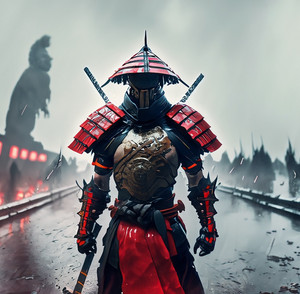
The result is a cinematic, high‑contrast sound: sub‑heavy, halftime grooves and sharp percussive transients are counterbalanced by evocative, often reverb‑washed plucked strings or flutes, sword‑swoosh foley, and battle/dojo atmospherics. Visual identity (cover art, typography, and anime/chanbara references) is integral to the genre’s perception online, where it circulates through playlists, channels, and meme‑accelerated scenes.


Sources: Spotify, Wikipedia, Discogs, RYM, MB, user feedback and other online sources

History

Origins (late 2010s)

Samurai trap crystallized online in the late 2010s as producers in the global trap/bass ecosystem began sampling Japanese traditional instruments and leaning into East‑Asian cinematic tropes. The approach drew from the broader internet trend of hybridizing regional timbres with Western beat frameworks, and from earlier cross‑pollinations such as sinogrime (East‑Asian motifs over grime) and anime‑adjacent internet aesthetics.

Aesthetic and sound conventions

Producers combined 808 sub lines and crisp trap hats with koto/shamisen plucks, shakuhachi phrases, taiko‑styled impacts, and pentatonic turns. Foley (blade draws, wind, dojo ambience) and trailer‑style risers emphasized a “cinematic” affect. Thematic cues—samurai, ronin, shinobi—provided a cohesive brand that audiences immediately recognized across thumbnails and playlist titles.

Streaming era growth (2020s)

In the early 2020s, editorial/user playlists and YouTube/Discord ecosystems gave the tag a consistent home, helping the sound cohere beyond one‑off “oriental sample” beats. A global, largely anonymous producer network iterated quickly: tempos standardized around halftime trap, bass design became more sophisticated, and harmonic choices increasingly referenced Japanese modal color without direct quotation.

Position in the wider ecosystem

Samurai trap sits between cinematic/world‑trap and internet microgenres tied to anime and game culture. It both draws from and feeds into Japanese trap/hip‑hop, anime drill/phonk aesthetics, and hybrid bass scenes, functioning less as a geographic tradition and more as a stylistic toolkit that travels across global beat culture.

How to make a track in this genre

Core rhythm and tempo
•   Work in halftime trap feels around 130–150 BPM (or 65–75 BPM in halftime). •   Use crisp, syncopated hi‑hat patterns (triplets, 1/32 rolls, reverse rolls), rim/snare backbeats on 3 (halftime), and punchy 808 kick layers.
Harmony and melody
•   Favor pentatonic motion (yo mode), or evoke Japanese color with hirajōshi/iwato‑like pitch collections; keep harmonic rhythm sparse to foreground timbre and bass. •   Compose short, motif‑driven hooks for koto/shamisen/shakuhachi that can be call‑and‑response with the 808/bass.
Instrumentation and sound design
•   Layer traditional timbres: koto/shamisen plucks for arpeggios and ostinati; shakuhachi for lyrical, breathy leads; taiko‑style hits as cinematic impacts. •   Design a sub‑focused 808 (glide/portamento for expressive slides) and a mid‑bass that speaks on small speakers without masking the sub. •   Use foley and SFX (blade unsheath, wind gusts, temple bells, paper door slides) tastefully to set scene; side‑chain to the kick for clarity.
Arrangement and form
•   Cinematic intro (ambience + instrument motif) → impact into Drop 1 (full drums/bass) → breakdown with solo traditional instrument → Drop 2 with variation (extra hat energy, countermelody, or harmony). •   Employ risers/falls, pre‑drop “shouts,” and brief beat‑switches to sustain narrative tension.
Mixing and space
•   Carve a sub “lane” with a low‑shelf/HPF on non‑bass elements; keep kick and 808 phase‑aligned. •   Use short early reflections or slap delays to give plucked instruments presence; add plate/room reverbs for shakuhachi without washing out articulation.
Optional vocals
•   If adding rap/toplines, keep pockets sparse with rhythmic cadences that lock to halftime swing; lyrical themes can lean on warrior codes, discipline, or cinematic imagery while avoiding cliché through concrete storytelling.

Main artists

Top tracks

Locked
Share your favorite track to unlock other users’ top tracks

Upcoming concerts

in this genre
Influenced by

Download our mobile app

Get the Melodigging app and start digging for new genres on the go
© 2026 Melodigging
Melodding was created as a tribute to Every Noise at Once, which inspired us to help curious minds keep digging into music's ever-evolving genres.
Buy me a coffee for Melodigging