Your digging level
Description
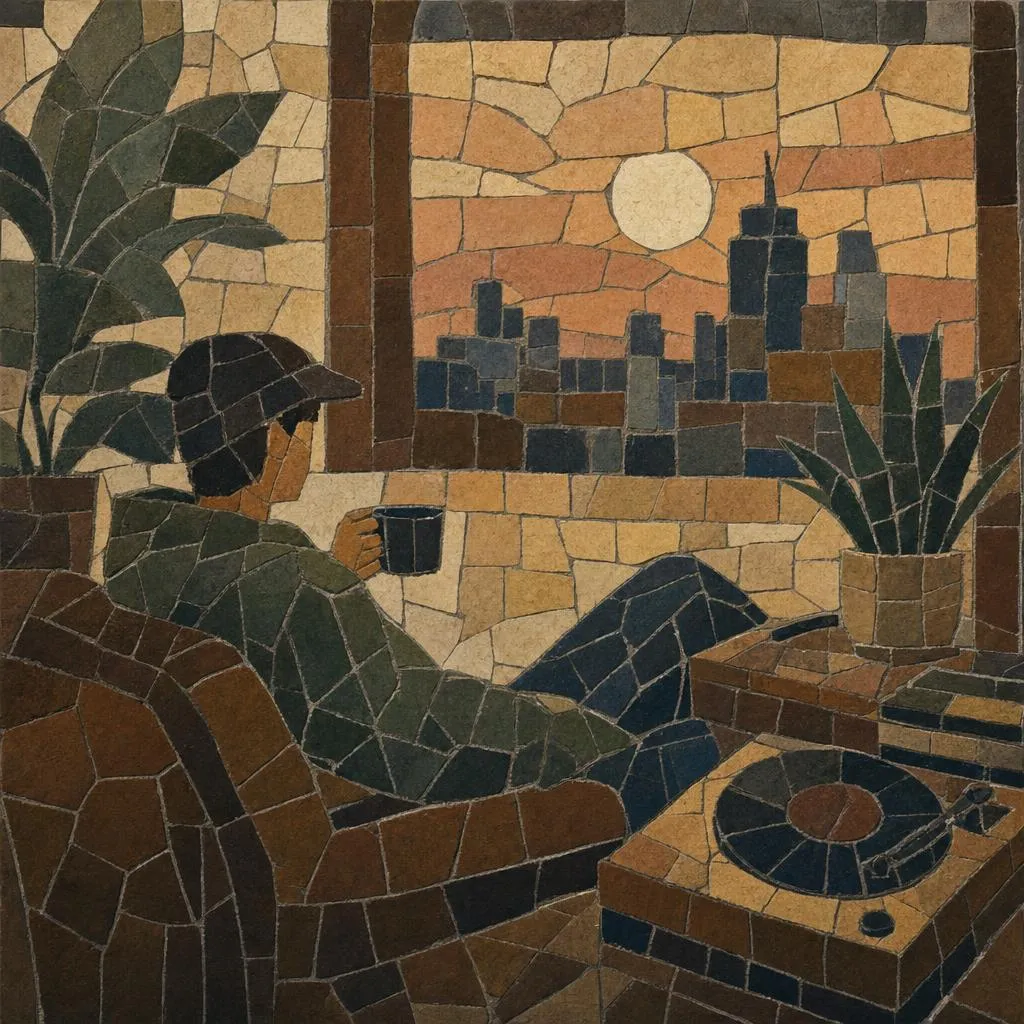
Chillhop is a mellow, sample-driven offshoot of instrumental hip hop that emphasizes laid‑back grooves, jazzy harmony, and warm, nostalgic textures. Producers favor boom‑bap-inspired drums, soft sidechain swells, tape hiss, and vinyl crackle to evoke a relaxed, intimate mood.
Typically sitting around 70–92 BPM, tracks use loop‑based structures, Rhodes or piano chords with extended harmonies, and sparse melodic motifs on guitar, vibraphone, saxophone, or synths. The result is music designed for focus and calm—commonly associated with “beats to relax/study to”—that blends the rhythmic DNA of hip hop with the smoothness of downtempo and jazz.
History
Chillhop’s foundations lie in instrumental hip hop, jazz rap, and downtempo. Producers like J Dilla and Nujabes pioneered a soulful, loop‑centric approach that combined dusty boom‑bap drums with jazz samples and gentle swing. In the United States, late‑night TV “bump” music and Adult Swim idents helped normalize short, mood‑rich hip hop instrumentals. In parallel, trip hop and ambient informed the genre’s atmospheric sensibility.
With Bandcamp, SoundCloud, and YouTube enabling global micro‑scenes, a new generation of bedroom producers distilled these influences into a calmer, more study‑friendly palette. The term “chillhop” circulated alongside “lo‑fi hip hop,” with playlist culture and 24/7 livestreams shaping listening habits. Labels and channels—most notably the Netherlands‑based Chillhop Music (founded 2013), as well as ChilledCow/Lofi Girl and College Music—curated compilations and streams that codified the sound and aesthetic.
By the late 2010s, chillhop became ubiquitous as a backdrop for studying, coding, and reading. The style standardized around gentle swing, warm saturation, and jazz‑centric harmony, while also spawning micro‑tags such as “sad lo‑fi,” “sleepy beats,” and regional flavors (e.g., Japanese chillhop). As the scene matured, sample‑clearing and original performance (keys, guitar, wind instruments) grew more common. Streaming platforms, royalty‑free libraries, and beat licensing economies further professionalized the community without abandoning its bedroom‑producer ethos.