Your digging level
Description
Chill beats is a mellow, predominantly instrumental hip‑hop offshoot defined by relaxed tempos, loop‑based arrangements, and a warm, nostalgic sound palette. Producers favor vinyl crackle, tape hiss, gentle side‑chain swells, and soft saturation that evoke the feel of bedroom recordings and vintage media.
Musically, it leans on boom‑bap drum sensibilities, jazzy seventh and ninth chords, and short, ear‑worm motifs rather than extended melodies or virtuosic solos. Tracks are concise, hypnotic, and unobtrusive—crafted to sit comfortably in the background while still rewarding close listening.
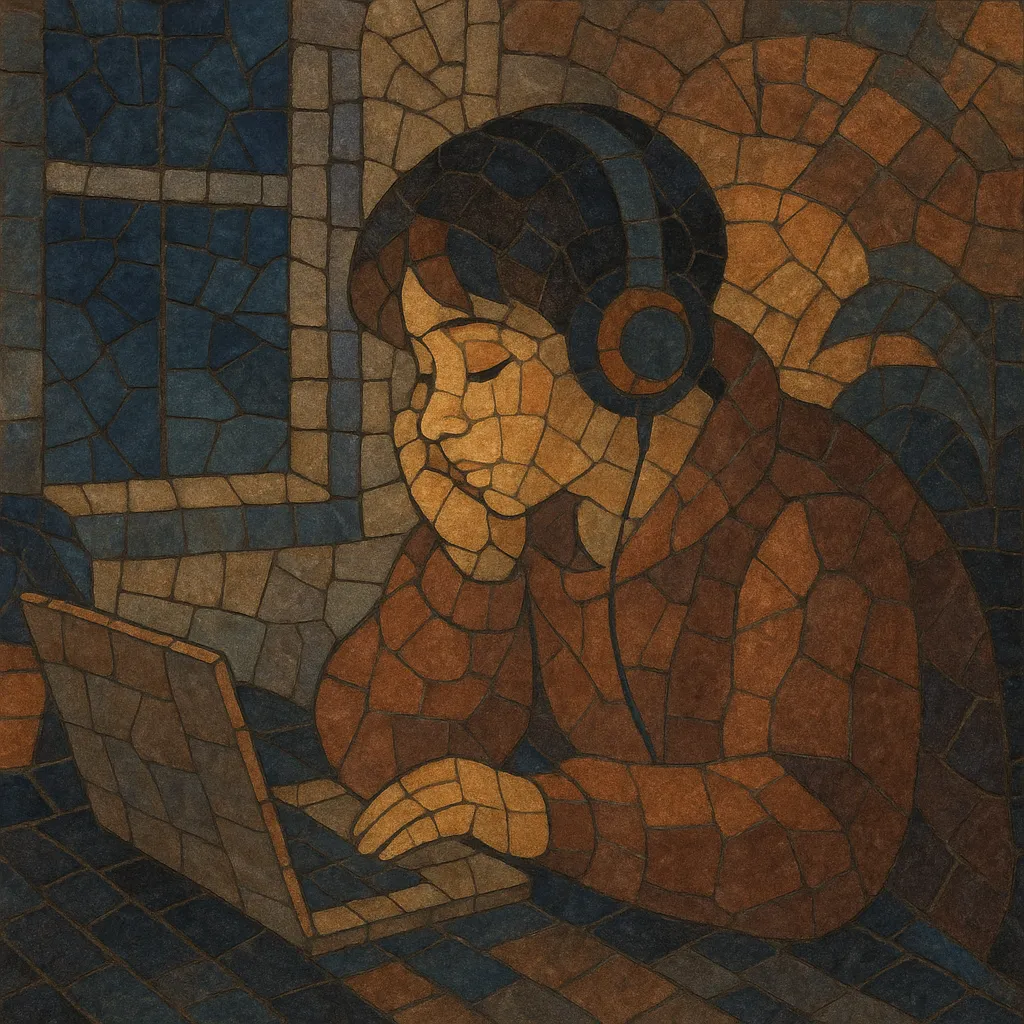
Aesthetically it is closely tied to online culture: anime and study visuals, cozy/nighttime urban imagery, and continuous livestream “radio” formats popularized the style. The genre’s purpose‑built calmness has made it a go‑to soundtrack for studying, reading, coding, and winding down.
History
Chill beats emerged online as a softer, study‑friendly branch of instrumental hip hop, drawing heavily from boom‑bap drum feels, jazz harmony, and the moody atmosphere of trip hop and downtempo. The sampling ethos and pocket of 1990s–2000s beatmakers laid the ground—especially the swing, lofi textures, and mellow crate‑digging aesthetic—while early YouTube beat compilations and Bandcamp/Netlabel circles incubated a global DIY community.
The style coalesced into a recognizable format with 24/7 livestream “radio” channels and playlist ecosystems on YouTube and Spotify. Visual branding—anime study loops, rain‑soaked windows, and cozy desks—became inseparable from the sound. Labels and curators (e.g., Chillhop Music in the Netherlands; various YouTube curators in France and elsewhere) standardized the genre’s presentation and helped thousands of bedroom producers reach audiences.
Short, loop‑forward tracks with jazzy chords, light side‑chain, and gentle percussion became the norm, emphasizing consistency over contrast so sets could flow for hours. International artists—from the U.S., Europe, Japan, and North Africa—contributed, making chill beats one of the first truly “internet‑native” microgenres whose scene identity was defined as much by platforms and visuals as by musical traits.
Chill beats now spans niche sub‑tags (lo‑fi chill, sad lo‑fi, chill abstract hip hop, Japanese chillhop) while remaining a staple background genre for studying and relaxation. The sound has influenced adjacent pop and R&B aesthetics (softer drums, cassette warmth, and dusty Rhodes chords) and continues to evolve through sample‑free, royalty‑clear approaches and live‑played sessions.