Your digging level
Description
Lo-fi chill is a mellow, downtempo, sample‑driven microgenre that blends the relaxed pace of chillout and downtempo with the dusty textures of lo‑fi recording aesthetics and hip‑hop beatmaking.
Typically instrumental, it features swung drum grooves, vinyl crackle, gentle jazz harmonies, tape or cassette saturation, and short loop‑based arrangements designed for background listening, study, or relaxation. The emphasis is on warmth, imperfection, and mood over virtuosity, with subdued melodies, soft bass lines, and minimal dynamic contrasts creating a calming, introspective atmosphere.
History
Lo-fi chill inherits its DNA from instrumental hip hop and the lo-fi recording ethos that became a creative choice rather than a limitation. Producers like J Dilla (US) and Nujabes (Japan) popularized mellow, jazz‑sampled beats with relaxed swing and a warm, imperfect texture. In parallel, downtempo and trip hop established a template for slow, moody, beat‑forward listening, while netlabels and early Bandcamp circles normalized minimal, loop‑centric compositions and bedroom production.
The genre coalesced online in the mid‑2010s, propelled by YouTube and 24/7 livestreams that curated continuous “beats to relax/study to.” Channels and labels helped codify the sound palette: soft vinyl crackle, Rhodes and jazz chords, light side‑chain movement, and gentle tape saturation. Playlists on Spotify and other DSPs further accelerated discovery, and a new wave of bedroom beatmakers adopted short, repeatable structures intended for ambient listening rather than foreground performance.
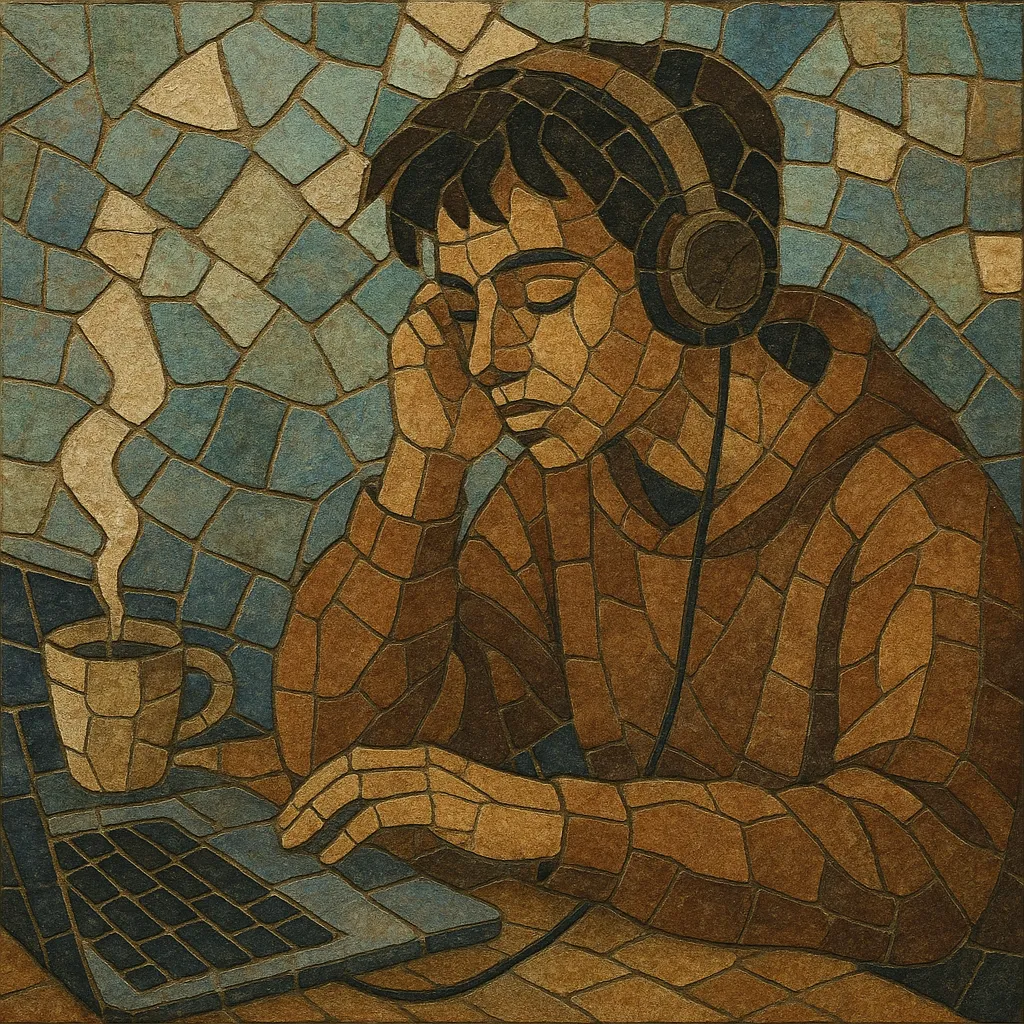
Visuals—often anime‑inspired study or nighttime city scenes—became inseparable from the sound, conveying cozy solitude and gentle nostalgia. Producers leaned into royalty‑free instrumentation and original playing to avoid sample‑clearance hurdles, while embracing artifacts (hiss, wow‑and‑flutter) as a core aesthetic. The community organized around labels, Discord servers, and sample‑sharing, nurturing a global, collaborative scene.
During the late 2010s and early 2020s, lo‑fi chill became ubiquitous as unobtrusive focus music, gaining traction during periods of remote work and study. The genre diversified (more live keys and guitar, fewer uncleared samples) while preserving its hallmark warmth and restraint. Today it remains a staple of ambient‑adjacent beat culture and a gateway to instrumental hip hop and chillout traditions.