Your digging level
Description
Japanese chillhop is a mellow, sample‑centric branch of lo‑fi hip hop and chillhop associated with Japanese beatmakers, aesthetics, and source material.
It typically runs at 70–90 BPM, features swung, understated drums, warm tape or vinyl hiss, and jazzy seventh and ninth‑chord harmonies. Producers often sample or emulate Japanese jazz, city pop, kayōkyoku, and environmental music (kankyō ongaku), as well as anime cues and everyday field recordings.
The result is a cozy, nostalgic, and contemplative sound that feels equally at home in study playlists and late‑night headphone sessions, distinguished from broader chillhop by its specific palette of Japanese musical references and imagery.
History
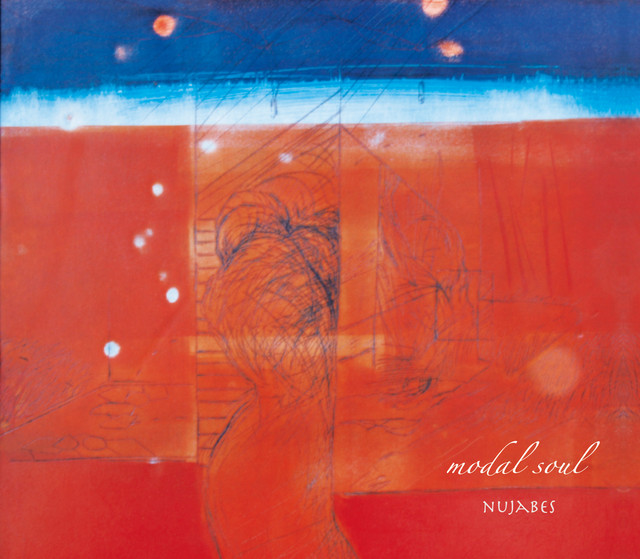
Japanese chillhop’s roots trace back to Japan’s jazz‑loving hip hop culture of the late 1990s and 2000s. Producers like Nujabes and DJ Krush popularized a subtly swung, jazz‑sampled, and introspective instrumental approach that prefigured the modern “study beats” era. Nujabes’ work with Uyama Hiroto and the Samurai Champloo soundtracks connected Japanese melodic sensibilities and hip hop rhythms for a global audience.
In the 2010s, the rise of YouTube 24/7 “chill/study” streams, Bandcamp, and SoundCloud fostered a worldwide chillhop ecosystem. Japanese beatmakers—and international producers based in Japan—brought in samples and motifs from city pop, kayōkyoku, traditional scales, and kankyō ongaku, giving the style a distinctive Japanese color. Playlists and channels began tagging and curating “Japanese chillhop,” helping it congeal as a recognizable micro‑scene.
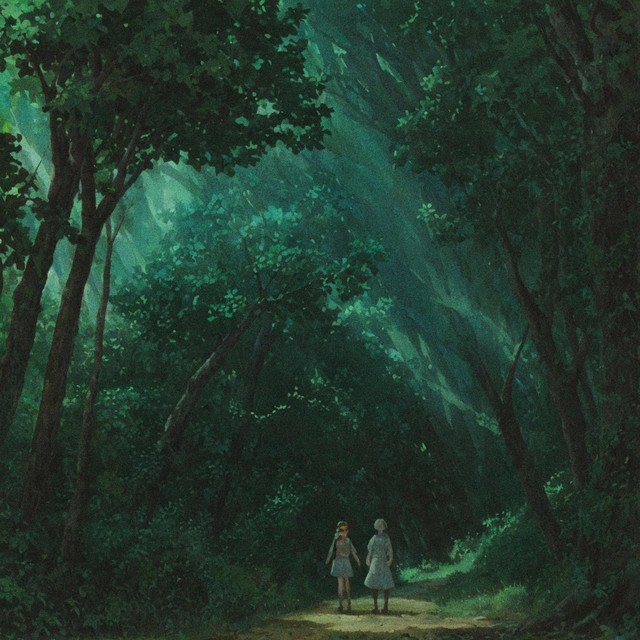
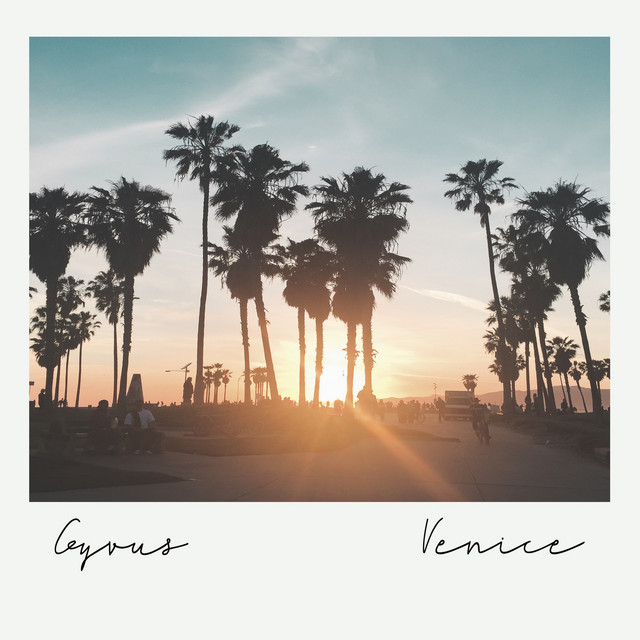
Beyond the music, Japanese chillhop leaned on anime loops, dusk‑lit urban photography, and domestic ambience—rain on tatami, train platform announcements, café chatter—to underline feelings of nostalgia and gentle solitude. The aesthetic synergy of visuals and sound helped the style spread well beyond Japan.
By the late 2010s and 2020s, Japanese chillhop had become a staple in global lo‑fi/chill playlists. While strongly tied to sample‑based beatmaking, many artists now compose original parts that evoke the same warmth and mood, keeping the sound fresh while preserving its signature swing, harmony, and atmosphere.

![[oops]](https://i.scdn.co/image/ab67616d0000b273cae916bc23d25d4803c9ecac)