Your digging level
Description
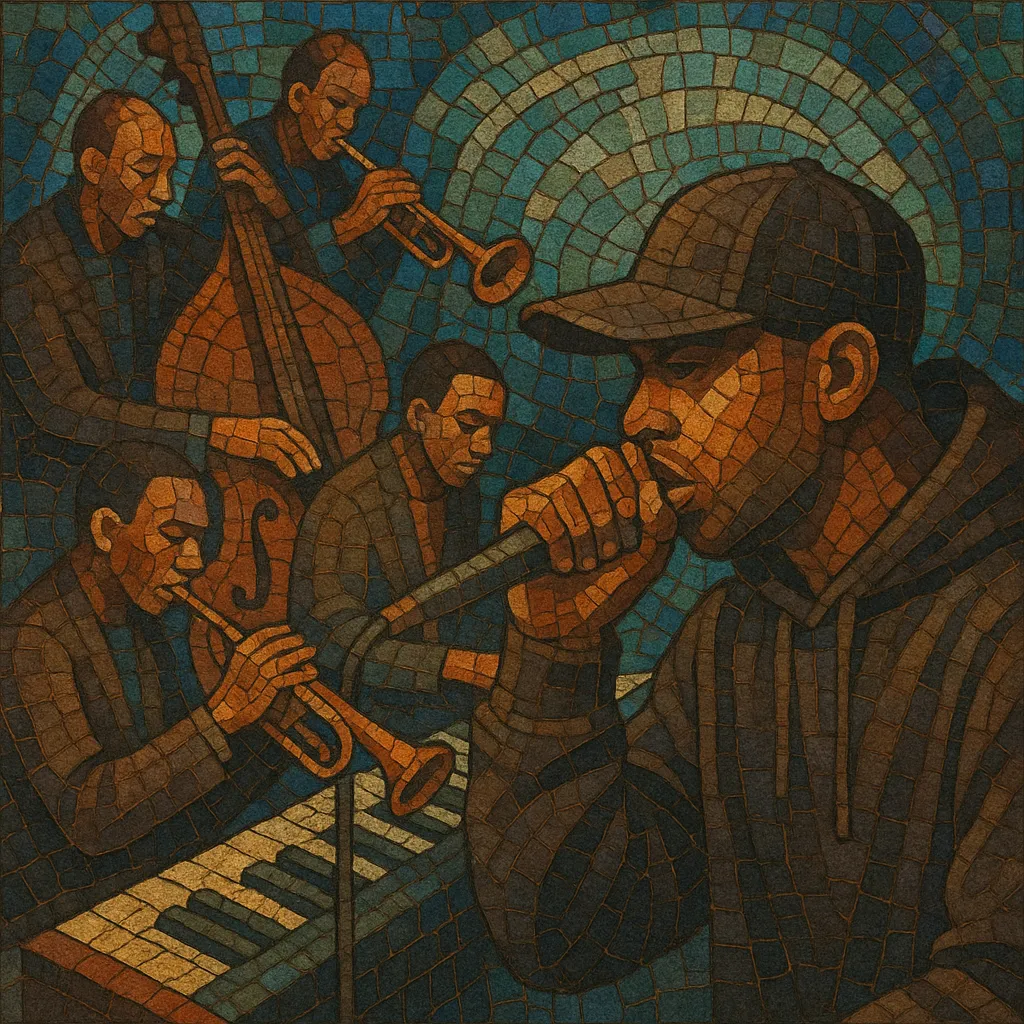
Jazz rap is a hip hop subgenre that fuses the rhythmic delivery and sampling aesthetics of rap with the harmonies, timbres, and improvisational spirit of jazz.
Producers typically build beats from jazz records—especially 1950s–1970s hard bop, soul jazz, cool jazz, and jazz-funk—chopping horn stabs, upright bass lines, brushed drums, and electric piano loops into laid‑back, head‑nod grooves. Lyrically, jazz rap often leans toward socially conscious themes, storytelling, and playful wordplay, delivered with a cool, conversational flow.
The result is a warm, swing‑inflected sound that sits between boom bap hip hop and jazz tradition: sample‑centric but musical, relaxed yet deeply groove‑driven, and frequently enriched by live instrumentation.


History
Jazz rap emerged in the United States during the late 1980s when hip hop producers began sampling classic jazz records to craft smoother, more harmonically rich beats. Early signals included Stetsasonic’s “Talkin’ All That Jazz” (1988), which both celebrated and defended sampling’s creative legitimacy. Drawing from hard bop, cool jazz, and soul jazz, producers used SP‑1200s and early MPCs to slice horn riffs, ride cymbals, and upright bass into boom‑bap patterns.
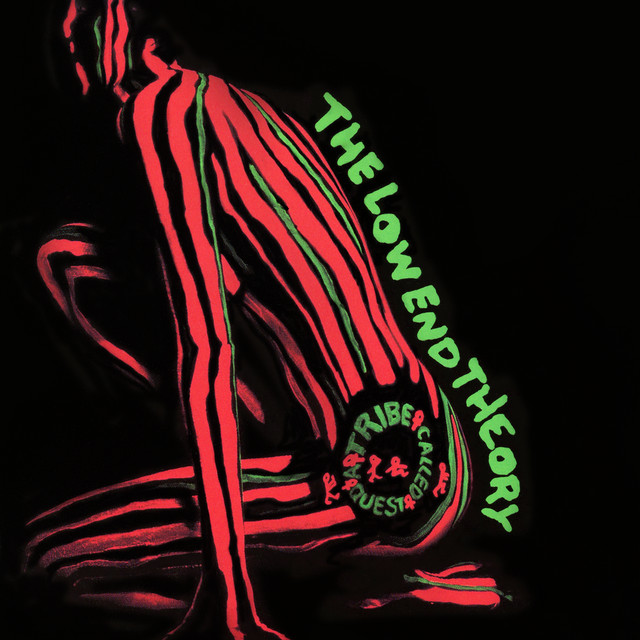
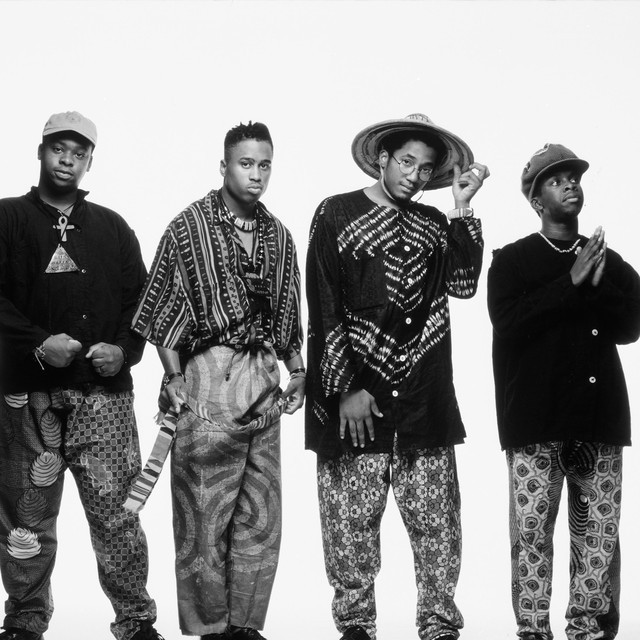
The sound flourished in the early 1990s through the Native Tongues circle and adjacent artists. A Tribe Called Quest, De La Soul, Gang Starr, and Digable Planets defined the style with warm, crate‑dug loops and conversational, often socially conscious lyrics. Guru’s Jazzmatazz series (from 1993) brought jazz rap into direct dialogue with jazz musicians, featuring legends such as Donald Byrd and Roy Ayers. Internationally, acts like Us3 (UK) and Dream Warriors (Canada) blended Blue Note samples and jazzy hooks into charting singles, while Pete Rock & CL Smooth and other New York producers expanded the palette of horn stabs, Rhodes chords, and melodic bass.
As sample‑based jazz rap matured, some artists incorporated live instrumentation—most famously The Roots—bridging jazz rap with neo‑soul and live hip hop performance. Though commercial focus shifted mid‑1990s toward hardcore and mafioso rap, jazz rap’s aesthetics continued to inform underground and alternative hip hop.
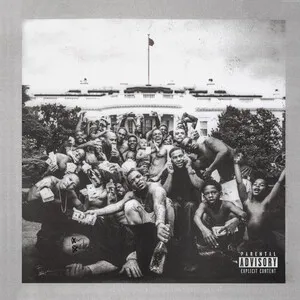
In the 2000s and 2010s, the style’s DNA powered lo‑fi hip hop, instrumental hip hop, and a renewed interest in jazz‑hip hop collaborations. Producers such as Nujabes helped globalize a mellow, melodic approach, while mainstream albums by artists like Kendrick Lamar (working with jazz musicians and harmonies) signaled the enduring relevance of jazz‑rap sensibilities. Today, the genre remains a touchstone for conscious lyricism, musical sampling craft, and the meeting point of jazz harmony with hip hop rhythm.