Your digging level
Description
Beat poetry is a performance-oriented strain of mid-20th-century American poetry associated with the Beat Generation and the postwar counterculture.
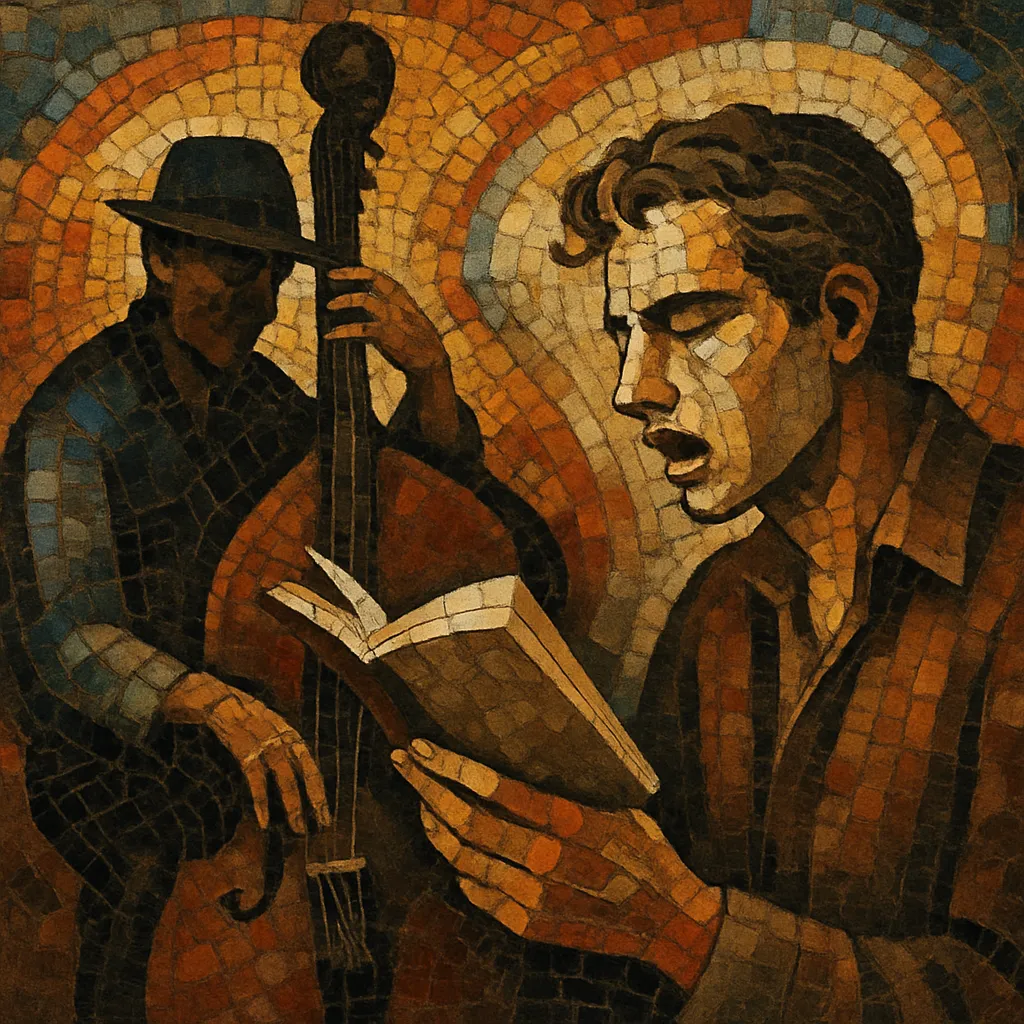
It favors free verse, breath-length lines, spontaneous composition, vivid imagery, and frank treatment of sexuality, spirituality, drugs, and social alienation. In live settings it is often delivered rhythmically over or alongside jazz—especially bebop—adopting the cadence, syncopation, and improvisational ethos of small-combo jazz. Coffeehouses, bookstores, and club stages in San Francisco and New York were its primary incubators.
History
The roots of beat poetry lie in the late 1940s and early 1950s United States, where a circle of writers—many meeting in New York around Columbia University—sought alternatives to Cold War conformity. Influenced by jazz clubs, Buddhist texts, road culture, and modernist poetics, they developed an improvisational, breath-driven approach to verse that prized directness and immediacy.
By the mid-1950s, the movement coalesced publicly on the West Coast. The Six Gallery reading (San Francisco, 1955) introduced Allen Ginsberg’s “Howl,” a landmark of the style with long, anaphoric lines timed to breath and jazz-like surges. City Lights Books (Lawrence Ferlinghetti) published Howl in 1956, and the subsequent 1957 obscenity trial (which the publisher won) cemented the Beats’ cultural visibility. Coffeehouses and venues such as The Gaslight Café in New York and galleries and bookstores in San Francisco became hubs for poetry-with-jazz evenings.
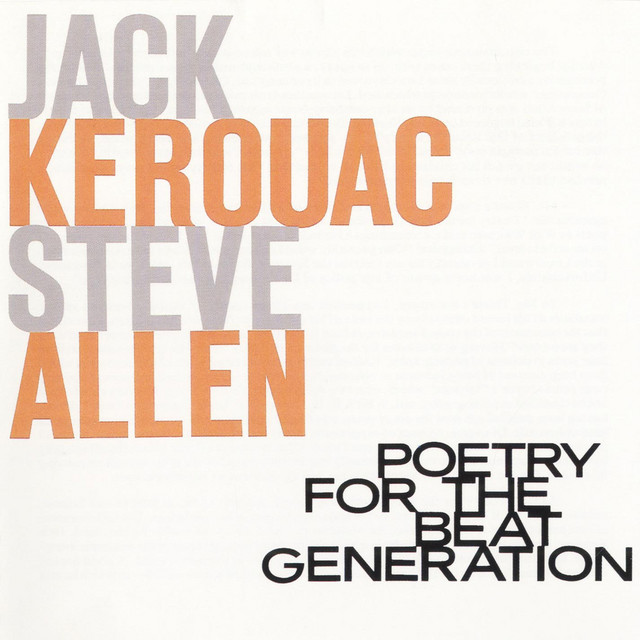
Beat poets often read with small jazz ensembles, borrowing bebop’s phrasing and spontaneity. Jack Kerouac formulated “bop prosody,” an approach to line and rhythm modeled on improvising horn players. Performances featured call-and-response with musicians, dynamic crescendos, and a conversational yet incantatory tone. Themes included mysticism (notably Zen and Tibetan Buddhism), critiques of materialism, queer identity, race and justice, and visionary, ecstatic states.
Through the 1960s, beat poetry fed into broader counterculture currents and inspired later spoken word scenes. Its oral, improvisatory model shaped performance poetry circuits, informed the cadence and political edge of later spoken word and hip hop, and helped normalize poetry in nightlife and club contexts. Institutions such as the Jack Kerouac School at Naropa (co-founded by Ginsberg and Anne Waldman in the 1970s) preserved and transmitted the style to new generations.