Your digging level
Description
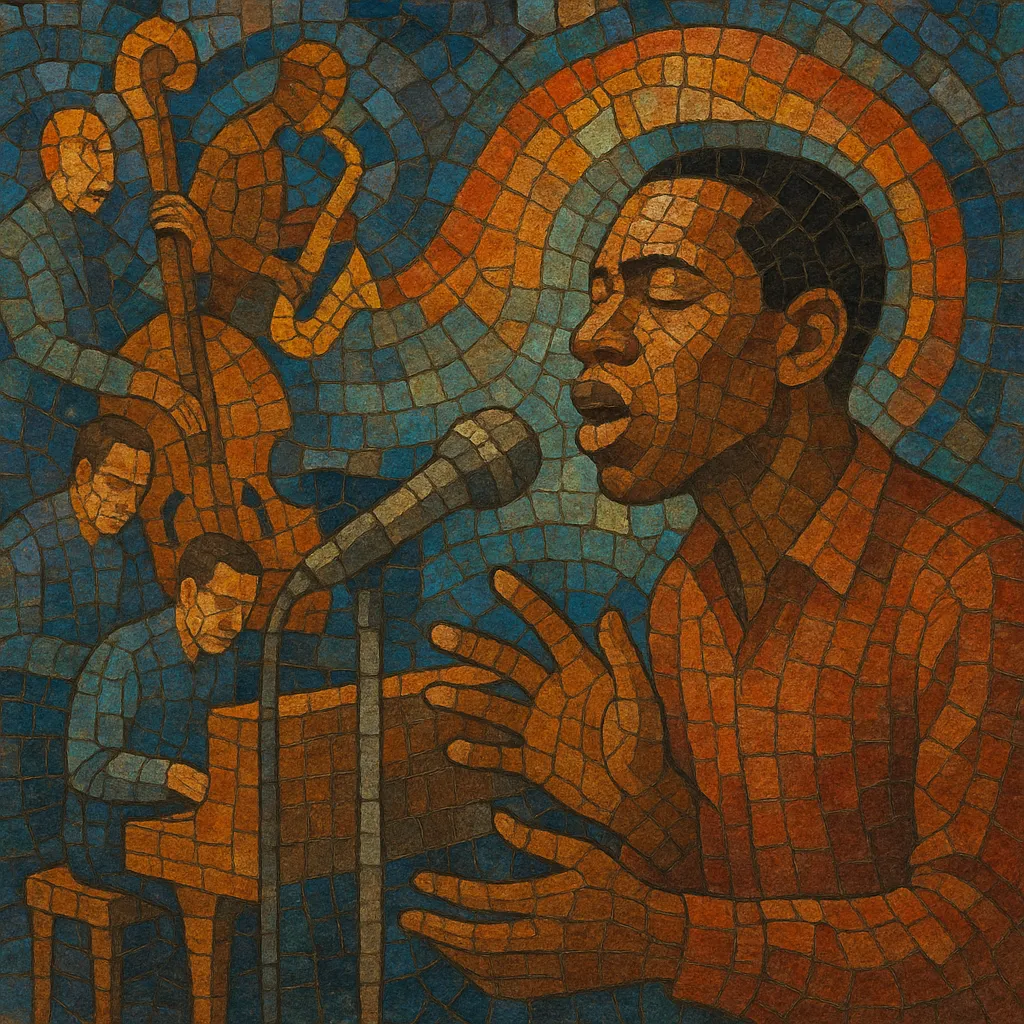
Jazz poetry is a performance-centered form of poetry that draws on the rhythm, phrasing, and improvisational spirit of jazz. It typically features spoken or recited verse delivered with the timing of a jazz soloist, often accompanied by a small ensemble (piano, bass, drums, and horns) or by a minimalist vamp.
The language tends to be musical: syncopated, swung, and conversational, with spontaneous variations in tempo, timbre, and dynamics. Themes range from urban life and nightlife to social critique, love, and memory, frequently reflecting African American cultural experience and the club environments where the form developed.
While it arose during the Harlem Renaissance, jazz poetry evolved alongside changing jazz idioms—absorbing bebop’s angularity, cool jazz’s restraint, and later, free jazz’s openness—making it a flexible bridge between literature and music.
History
Jazz poetry took shape in the United States during the Harlem Renaissance. Poets such as Langston Hughes wrote verse that evoked blues and jazz cadences and sometimes performed with musicians in clubs and salons. Early jazz-era meters, call-and-response, and the expressive speech rhythms of Black oratory provided a foundation for the form.
As jazz shifted to bebop, poets adapted to faster tempos, off-kilter accents, and improvisatory phrasing. Kenneth Rexroth and Kenneth Patchen staged jazz-and-poetry concerts on the West Coast; on the East Coast and beyond, Beat writers like Jack Kerouac and Allen Ginsberg recorded readings with jazz accompaniment. The microphone, recordings, and coffeehouse culture helped the form spread beyond nightclubs.
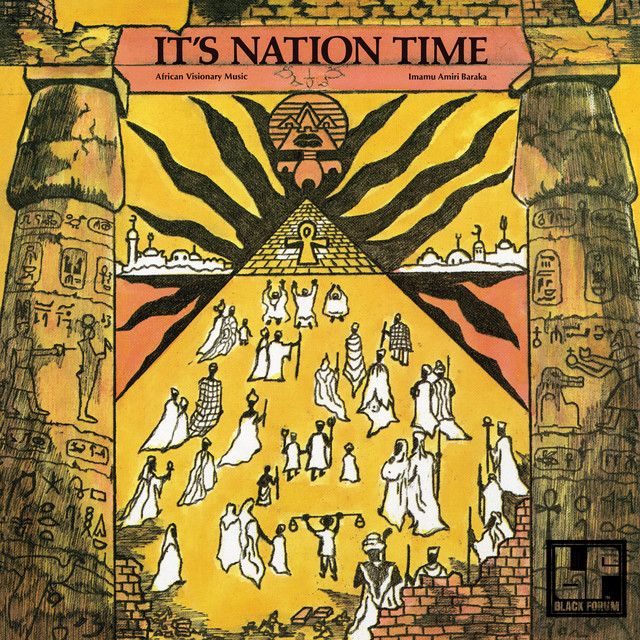
Amiri Baraka (LeRoi Jones), Jayne Cortez, Bob Kaufman, and others infused jazz poetry with political urgency, aligning it with the Black Arts Movement. Performances frequently embraced freer instrumental improvisation and more confrontational rhetoric. By the early 1970s, artists like Gil Scott-Heron and The Last Poets bridged jazz poetry, soul, and percussive verse, foreshadowing rap and spoken-word traditions.
Jazz poetry influenced slam poetry scenes and spoken-word venues, while jazz festivals and academic programs hosted dedicated jazz-poetry collaborations. Contemporary practitioners continue to experiment: some favor minimalist vamps and narrative clarity; others lean into free improvisation and extended techniques. Digital media and live sessions (including radio, podcasts, and streaming) sustain the form’s dialog between poetic voice and jazz ensemble.

%2C%20Cover%20art.webp)